
‘So far so good’: Sweden’s FTN bags 150bps equity fund return improvement

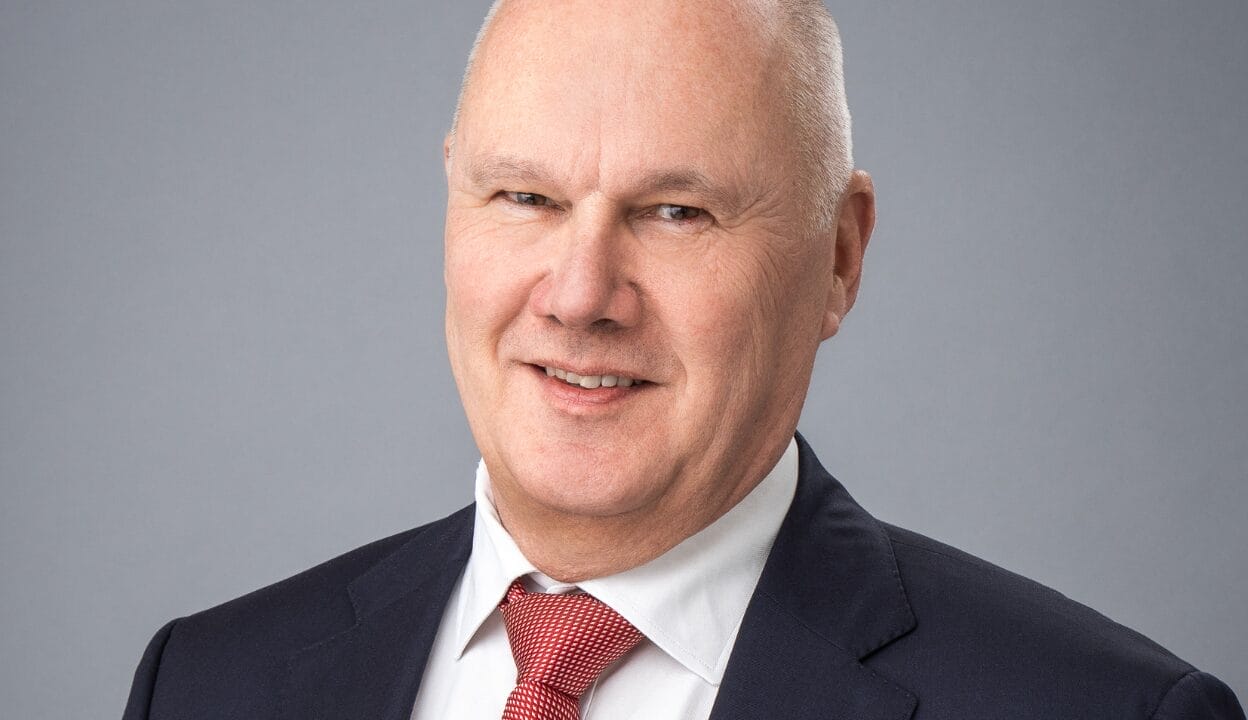
Erik Fransson

In an endorsement of its hard work over the last year, Sweden’s Fund Selection Agency (FTN), the government agency charged with procuring and monitoring the funds on offer on the country’s premium pension platform, is already starting to see improved returns and lower fees from the wave of new equity funds it mandated last year.

“Comparing the new universe of equity funds to the old universe reveals a 150 basis point improvement,” Erik Fransson, executive director at FTN tells Top1000funds.com. In keeping with the organisation’s stated aims, the main contributor to that added value is higher performance, accounting for 125 basis points. The remainder of the benefit (25 basis points) comes from more favourable pricing or lower fees.

“It is a case of so far so good: we have come a long way and we are really satisfied with the work so far,” says Fransson.

Working Swedes have paid into the mandatory defined contribution state pension fund ever since it was established in 2000 and assets on the platform are forecast to double to $451 billion by 2040. Today, the entire “premium pension system” accounts for around $232 billion split between the FTN and default fund AP7 which manages a default option for savers who did not make an active investment choice. Members of the system can choose the level of risk and strategies for their savings.

The ongoing overhaul was rooted in a handful of fraudulent and other poorly performing funds on the platform in the past, a consequence of lax requirements on the funds offering their wares. In recent years, the number of funds on the platform has dropped from 900 to around 450 in a drive for quality that resulted in many falling away. The FTN will procure funds worth around $116 billion between 2024 and 2027.

Tier 1 institutional pricing

FTN’s latest mandates to both passive and active large and mid-cap Swedish equity fund managers show the direction of travel.

Sponsored Content

In passive, three fund managers have been awarded SEK 65 billion ($6.8 billion) across five funds. The average charges were 3.9 basis points, reduced from a “rich” 12.9 basis points and mandates were won by managers with more sophisticated risk mitigating strategies including how they handle changes in the index and the different index constituents, as well as experience with strategies like security lending.

“This is really close to Tier 1 institutional pricing and will add a great deal of value in the long run. It’s very exciting and we are satisfied with this especially as we are doing this in a fund format. Contrary to popular belief, not all index funds are created equal – the selected funds show strong value creation potential,” says Fransson.

The SEK 92 billion ($9.7 billion) allocation to seven active fund managers was awarded across ten funds and also achieved a “big reduction” in fees, down from an average of 30 basis points to 15 basis points.

In another endorsement of the jump in the quality of fund managers bidding for mandates, Fransson says that none of the managers were disqualified due to mistakes or poor responses. The value of assets under management in the categories won’t change under new management so managers have a clear idea of the amount of assets they will be able to manage from day one if successful, helping the agency secure the best price.

Managers pay a tender fee and if they are successful, a platform fee based on assets under management. These requirements have successfully deterred managers without a good chance of success from going through the lengthy RFP process. All FTN’s costs are financed by an annual fee of 0.5-1.5 bps of assets under management on the platform.

Tech funds and fixed income up next

In the next step, the organisation will announce the $11 billion allocation mandates for a series of new tech-focused funds. Once funds are selected to manage these assets, some 55 per cent of the total capital on the platform will either have been mandated or in process, equivalent to 90 per cent of the equity category.

The team is also working on $23 billion global equities mandate divided between European small-cap and Swedish small-cap.

Work to secure successful procurement of next year’s mandates to new fixed income and target date funds, balanced funds and liquid alternatives is already underway with a focus on adjusting the RFPs and designing the search. All funds have a daily NAV, and most will be UCITS compliant. There is no plan to add private markets to the mix.

Leave a Comment

How CPP is evolving risk management for a faster, more interconnected world

How CPP is evolving risk management for a faster, more interconnected world

In an environment where multiple risks are emerging and their effects are compounding on the portfolio, CPP Investments' chief risk officer Priti Singh says the $572 billion fund is rethinking risk management from the ground up, shifting from reaction to preparation and embedding risk thinking earlier in investment decisions. She speaks to Amanda White about the fund's risk approach.

Sort content by

ATP returns hit again by large allocation to bonds

The $102 billion Danish pension fund, ATP, returned just 3 per cent in its return-seeking allocation in the first half of this year, buoyed by its foreign and Danish equity portfolios but pulled down by rising interest rates negatively impacting the large allocation to bonds.

KLP continues the fight to get Chinese mining companies to change

As growing geopolitical tension and government control has caused some investors to exit China, Norway's $78 billion pension fund KLP has stepped up engagement with Chinese mining companies at risk of breaching labour rights and responsible extraction.

Alecta doubles down on governance, risk management and culture

Sweden’s largest pension fund, the $126 billion Alecta, has spent much of the last year continuing to work on improving governance, risk management, competence and culture in the wake of a $2 billion loss in 2023 attributable to investments in US regional banks, including Silicon Valley Bank, turning sour.

How the tech surge has hit active management at Denmark’s AP Pension

The active equity strategy of Denmark’s €23 billion AP Pension – which focuses on a narrow exposure to a small set of high conviction, quality companies - has been hit by the surge in tech stocks, none more so than Nvidia. Investment director Pernille Jessen explains the problem.

USS swings into surplus but flags re-think after Thames losses

USS says losses in Thames Water have led to deep reflection on how it will invest in regulated assets in the future, flagging the need for consistent regulation to support pension fund investment. As the fund celebrates its 50th year it records a surplus for the first time since 2008.

UK’s GMPF: Why institutional investors are pushing into the rental market

A chronic shortage of housing in the UK has resulted in long waiting lists for social housing and young people left priced out of ownership. The experience of the Greater Manchester Pension Fund, investing more in the sector, provides lessons for other investors in jurisdictions with a housing shortage.

Previous



