
PUBLICA builds alternatives through partnerships

In the latest development of its private market portfolio, Swiss pension fund PUBLICA is investing in infrastructure equity in a partnership with three other Swiss pension funds and Dutch pension investor APG.

Private markets now account for 30 per cent of PUBLICA’s CHF40.5 billion ($46.6 billion) portfolio in an allocation that has been steadily built out since 2015 when the pension fund’s only real asset was an allocation to Swiss real estate.

Since then, risk has been added incrementally via an allocation to investment grade long-term private debt and foreign real estate. A 3 per cent allocation to infrastructure equity was added in 2022 to boost returns and add diversification divided equally between three open ended funds – and the latest allocation via partnerships.

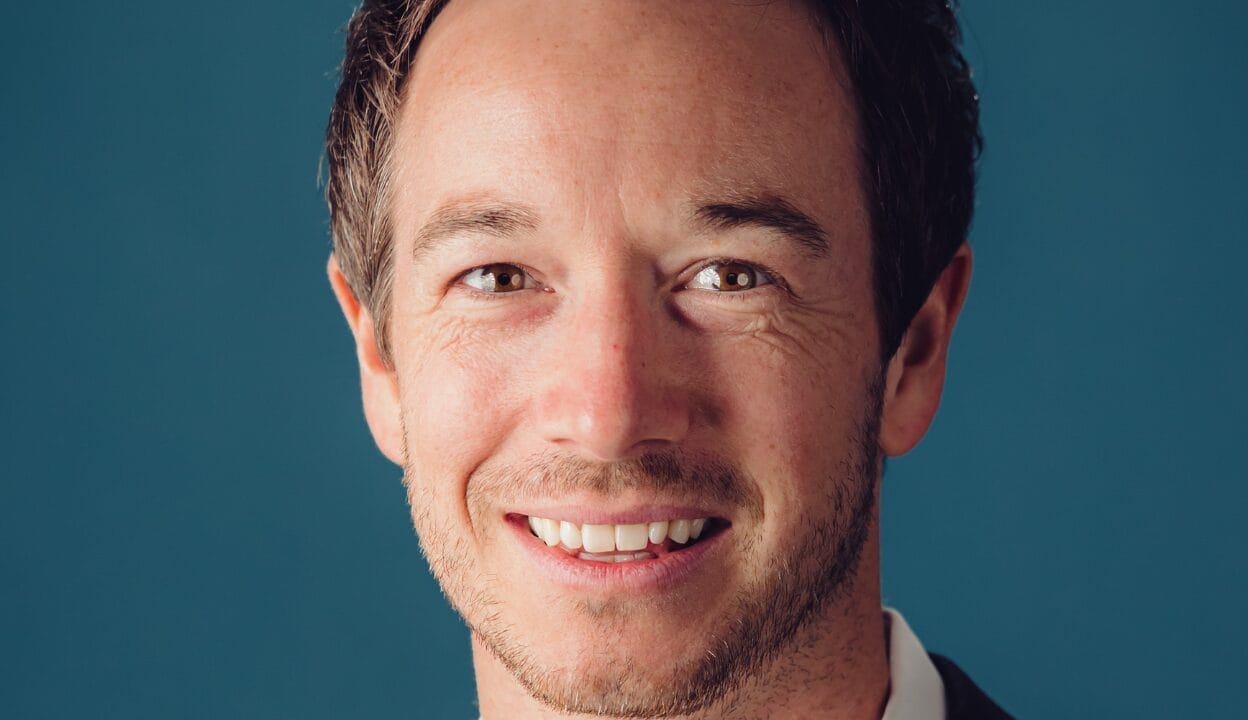
“As we progressed through private asset classes we have added risk,” explains Dominique Gilgen, who joined the pension fund in 2015 to help build up private markets and now oversees a team of three in line with the portfolio’s growth. “At the same time, we have developed our experience, competence and confidence with these asset classes and vehicles.”

Although infrastructure equity brings higher risk, Gilgen believes in volatile markets it will be relatively stable given its long-term cash flows and the fact it sits in a more conservative space than equity. He also likes the inflation protection and ability to integrate ESG.

“Infrastructure equity has attractive characteristics from a sustainability point of view. It fits well with PUBLICA’s responsible investment approach and positive selection criteria are easier to integrate.”

Sponsored Content

Private equity remains notably absent from the real asset allocation. Equity risk, explains Gilgen, has always been the biggest risk in the portfolio (the listed equity allocation is 32 per cent of AUM) and the fund has been reluctant to go into an illiquid asset class with a risk factor that will build on existing risk.

Other concerns include how to efficiency implement private equity and high fees. He lists transparency, investor influence and the possible misalignment of interests as other issues.

“It is more difficult to access private equity and get compensated for the additional risk. For us, whether or not private equity can deliver risk premia after fees remains a question.” In 2023 PUBLICA’s total asset management expenses were 0.22 per cent.

Partnership in action

PUBLICA’s partnership with Swiss funds City of Zurich, Kanton Aargau, and Credit Suisse together with Dutch pension investor APG targets an initial commitment of €1 billion to jointly gain access to global infrastructure in the private market space. The quintet, hailing the collaboration as a benchmark for cross-border pension fund partnerships emphasize stability, transparency, and a long-term vision and hope to make the first investment “in the coming months”.

PUBLICA’s previous experience of partnerships includes collaborating with US insurance companies in private debt where stakes include real estate debt, infrastructure debt and corporate private placements. US insurance companies act as both asset manager and co-investor, typically contributing over 50 per cent of the investment, he explains. Gilgen particularly likes the alignment of interest in the active allocation that such a partnership brings.

He hopes the partnership with APG, which has a long track record of investing in private infrastructure and an experienced, large team, will bring another opportunity to learn. “We are partnering with someone who has vast experience in this area and capability to do this investment,” he says.

The partnership has been structured to incorporate differences between Swiss and Dutch legal and tax frameworks. He says the investors share many similarities including values and philosophies.

“The relationship was strong before we started. Although we are five distinct pension funds we have a common understanding that has helped bring such a project to a successful start.”

Leave a Comment

How CPP is evolving risk management for a faster, more interconnected world

How CPP is evolving risk management for a faster, more interconnected world

In an environment where multiple risks are emerging and their effects are compounding on the portfolio, CPP Investments' chief risk officer Priti Singh says the $572 billion fund is rethinking risk management from the ground up, shifting from reaction to preparation and embedding risk thinking earlier in investment decisions. She speaks to Amanda White about the fund's risk approach.

Sort content by

Finland’s VER warns impact of higher rates on private markets still unknown

Timo Löyttyniemi, CEO at VER is focused on how the fund's asset managers have handled the impact of higher interest rates in private markets. It's about to become apparent if they've successfully hedged interest rate risk; re-financed, and reduced total leverage levels to manage higher borrowing costs.

A new SAA at Connecticut allocates more to risk assets in manager shakeup

Since joining the Connecticut retirement plans as CIO just under two years ago, Ted Wright has developed a new strategic asset allocation that has bumped up the allocation to private assets. Top1000funds.com talks to him about risk budgets, a manager shakeup and diversity.

UN Pension Fund back on track after 2022, as low costs pay off

The United Nations Joint Staff Pension Fund, UNJSPF, is clawing back 2022 losses with assets under management currently valued at $82 billion and the fund experiencing a positive return of 5 per cent so far this year.

West Virginia CIO fears anti-ESG politics threaten fiduciary independence

Like many other US pension funds, West Virginia Investment Management Board’s (IMB) proxy vote has been a lightning rod for anti-ESG sentiment. CEO/CIO, Craig Slaughter explains why he fears recent legislative changes could herald the beginning of a threat to the fund's fiduciary independence.

PGGM’s private equity priorities: Impact, Paris-alignment and co-investment

After four years as CIO at ABP, Diane Griffioen has joined PGGM as head of private equity where her focus is on driving Paris-alignment, impact and co-investment across the €23 billion portfolio.

AP2 returns active Chinese equities back to quant

AP2, Sweden’s SEK 400 billion ($38.8 billion) buffer fund, recently divested its allocation to three Chinese asset managers overseeing an allocation to China A shares despite spending many years carefully building up the successful stock picking portfolio.

Previous



