
LACERA adds downside protection as equity markets look unsustainable

LACERA, Los Angeles County Employees Retirement Association, is reducing its allocation to growth and real assets – namely global equity and real estate – and titling to allocations with a more moderate return potential and stronger downside protection comprising investment grade bonds and hedge funds particularly.

The latest changes at the $77 billion pension fund reflect a shift in thinking from previous asset allocation reviews. In recent years, LACERA has steadily put more assets to work in illiquid private credit and private equity in the hunt for returns during decades of historically low interest rates.

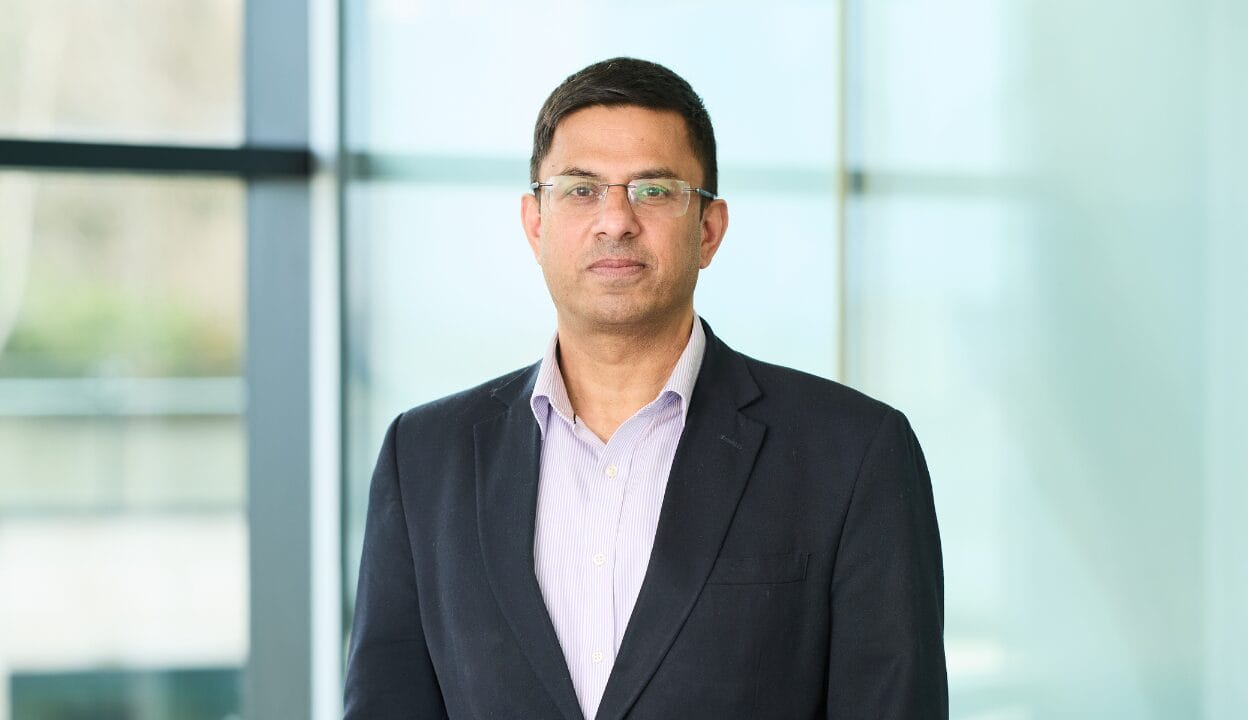
Now the focus is on reacting to higher interest rates and downside protection, with CIO Jonathan Grabel warning the board that the relentless climb in equity markets in recent quarters is “unsustainable.”

Working with consultancy Meketa Investment Group, LACERA staff outlined to the board how the “modest” changes (implemented within the next two years) are projected to reduce potential losses while continuing to meet LACERA’s 7 per cent target return. Modelling of the new allocation revealed a slightly higher Sharpe ratio expectation (0.42) when compared to the current policy allocation (0.41) representing a modest improvement in risk-adjusted return expectations.

The team modelled the new allocation on historic and theoretical scenarios including the GFC and COVID recovery; 10-year Treasury bond rates rising 300 bps and US equities declining by 40 per cent, as well as different climate scenarios. The process highlighted the key risks to the new allocation remain equity market decline and any widening of credit spreads.

Risk mitigation becomes a priority

LACERA’s risk mitigation portfolio, tasked with reducing risk by providing liquidity, diversification, and downside protection, comprises cash, investment grade bonds, long term treasuries and hedge funds. It has the lowest risk and lowest return target of all the portfolios in the fund – accounting for around 19 per cent of total AUM but just 3 per cent of total risk.

Sponsored Content

Grabel explained that diversification has becoming increasingly important as the pension fund has matured and benefit payments exceed contributions. “Losing money has consequences when you are cash flow negative,” he said.

The hedge fund allocation (set to grow from 6 per cent to 8 per cent) comprises diverse strategies across all asset classes, and is tasked with reducing total fund risk with low to moderate volatility and zero correlation to stocks and bonds: neither interest rates nor growth drive returns. The absolute return approach is less risky and less directional compared to many hedge fund portfolios, and the focus is on risk metrics rather than a single return number, the board heard.

Recent results show an equity beta reading of 0.00 and positive up/down capture, explained Chad Timko, senior investment officer.

LACERA currently invests with eight direct managers and each manager has several sub strategies. An emerging manager programme, launched in 2021 and with a net asset value of $539 million is managed under a separate account and part of a reserve manager pipeline.

The emerging manager programme has underperformed its benchmark but preserved its capital while outperforming investment grade bonds.  Revenue sharing is structured into most mandates and Timko observed how several managers stand out as potential future graduation prospects to the main portfolio based on early positive performance.

“Manager graduation are goals of the programme,” he said. LACERA will continue to increase the size of its emerging manager program towards the board-approved target of 15 per cent of the total hedge fund portfolio.

LACERA currently has around $1 billion in cash, used primarily to pay benefits and rebalance; invested in a separate account that is managed by State Street. The board heard that levels are slightly up on target on account of rebalancing and recent capital calls.

A cash overlay programme, put in place in 2019, has contributed to nearly $500 million in gains. “Better managing cash and adhering to our SAA and rebalancing the portfolio, paid for one year’s operating budget and one month’s worth of benefit payments,” said Grabel.

Other allocations in the risk mitigation portfolio comprise investment grade bonds, set to grow to 13 per cent from 7 per cent under the new asset allocation reflecting their value and return. The low risk, low expected alpha investment grade bond allocation is split between passive (70 per cent) and active (30 per cent.) Two active managers follow a core bond strategy, take low active risk and don’t’ invest in any sectors not included in the benchmark.

An allocation to long-term treasury bonds was added three years ago to hedge the growth portfolio and negatively correlate with stocks. The allocation is wholly passive, managed by BlackRock and comprises 80 bonds with maturities between 10-30 years.

“The rise of interest rates in 2022 had a material negative impact on long term government bond returns,” said Vache Mahseredjian, principal investment officer.

China Risk rises up the agenda

LACERA’s new asset allocation also modelled the impact of removing the fund’s exposure to China in response to rising geopolitical and regulatory risk. China exposure is mostly found in the passive global equity allocation, and excluding China from the emerging market category doesn’t change the risk return characteristics of the portfolio.

The board voiced concerns regarding the speed with which it will be possible to divest from China – and the fact the analysis is based on companies domiciled in China, and doesn’t take into account the risk of holding companies with China-based supply chains, or sales derived from China.

“It’s easier for us to adjust our portfolio than for [say] Apple to change how it manufactures and sells [it’s products],” concluded Grabel.

Leave a Comment

How CPP is evolving risk management for a faster, more interconnected world

How CPP is evolving risk management for a faster, more interconnected world

In an environment where multiple risks are emerging and their effects are compounding on the portfolio, CPP Investments' chief risk officer Priti Singh says the $572 billion fund is rethinking risk management from the ground up, shifting from reaction to preparation and embedding risk thinking earlier in investment decisions. She speaks to Amanda White about the fund's risk approach.

Sort content by

NBIM: Listed and private real estate is all the same in the long run

The differentiating characteristics of unlisted and listed real estate diminish over time according to new research by Norges Bank Investment Management, supporting the sovereign wealth funds’ unique combined strategy for real estate that sees both private and listed sit in the same team.

CalSTRS looks at big picture with total portfolio function

The $315 billion CalSTRS is looking to build a top-down portfolio function to better incorporate liquidity management alongside portfolio construction and to consider how it can better deal with often lumpy cashflows to maximise returns, while continuing to keep a tight rein on risk.

Future Fund jolts out of ‘set and forget’ mode

Australia’s sovereign wealth fund has handed mandates to external active managers and built a dedicated treasury management function, six years after going all-in on passive index strategies. It is is also on the hunt for early stage venture opportunities as it continues to forecast challenging conditions and higher persistent inflation.

What drives success at CPP Investments’ giant PE portfolio

Size and scale are not always advantages. Against the backdrop of tougher market conditions, CPP Investments' global head of private equity Suyi Kim says successfully managing what could be the world’s largest private equity allocation a program will depend on successfully managing the large team.

Finnish fund Elo’s CIO reveals portfolio plans

Hanna Hiidenpalo, Elo’s CIO discusses progress around internal management, the impact of Finnish equities on the portfolio, and the fund’s sustainability program which includes a target of carbon-neutral energy use in direct real estate by 2027. 

UN pension fund flags climate risk on ALM and performance

In a nod to headwinds including climate change, evolving demographics, and the future economic outlook the $85.5 billion United Nations Joint Staff Pension Fund will use a slightly lower real rate of return to inform its upcoming actuarial valuation with the 2023 ALM scenario planning focusing on climate risk.

Previous