

The $8 billion Kellogg Foundation is pushing the frontiers of technology and financial theory in its 20 per cent allocation to hedge funds, using AI to write algorithms in its quant strategies. Systematic funds crunch through vast amounts of data and use algorithms, typically written and tested by humans, to automatically detect trends across different markets.
Now the foundation, established by the cereal entrepreneur in 1930 to support children, families and communities in need, is investing with a handful of cutting edge investment managers that use machines rather than people to figure out what the algorithms should say.
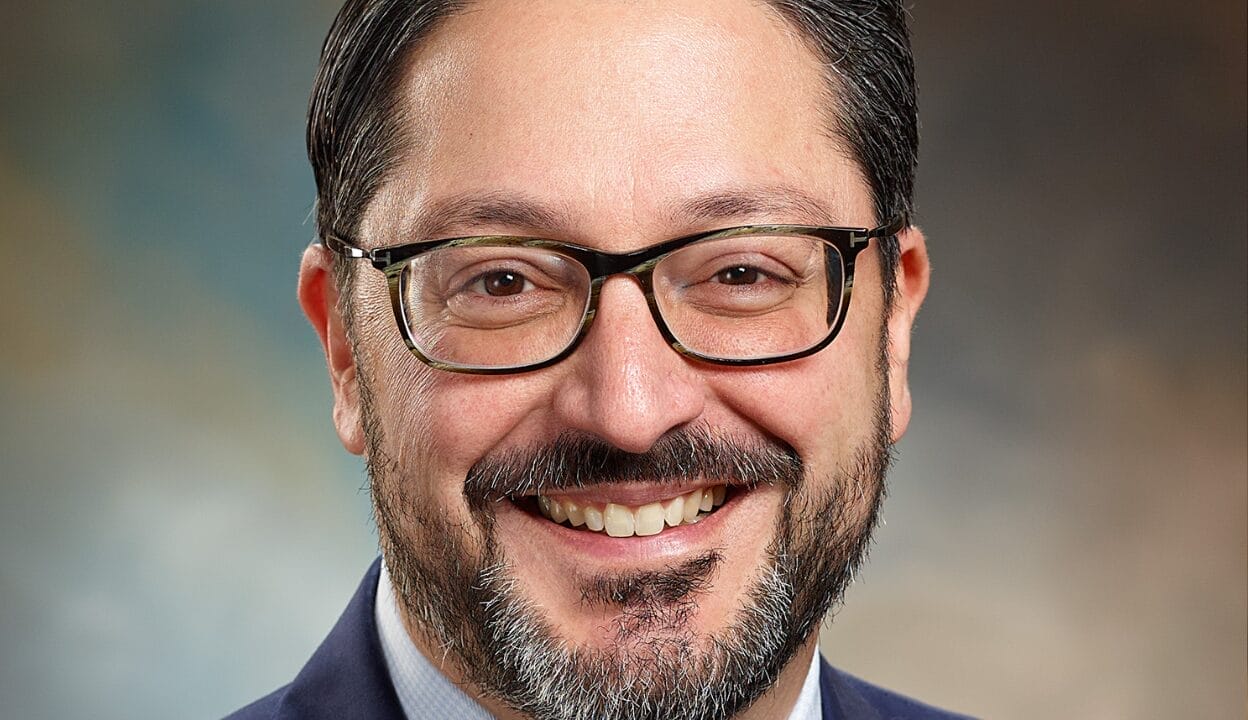
“We are working with a handful of investment managers active in this new frontier. Only a couple of firms are doing this, and it’s of great interest,” explains Carlos Rangel, CIO of the Kellogg Foundation in an interview with Top1000Funds.
The strategy is supported by the evolution in data. Still, Rangel says one of the challenges is the lack of data in financial markets.
“Financial markets are just a subset of what is going on in the world and there are much fewer data points than other areas. Medical research through computer simulations or climate models have more moving elements and complexity in the data. Talk to someone at Google, and they say there is so little data in finance. It is a tiny data set!”
The Kellogg Foundation runs about a dozen different hedge fund mandates, a couple with the same manager, and focuses on strategies spanning zero beta, momentum, long/short and credit. The portfolio targets 0.2-0.3 beta to the stock market with equity market returns.
“When the market goes down, we still need to generate cash flow to send capital to the communities we serve,” says Rangel.
Another area he is keenly focused is fixed income, where the foundation has aggressively built its allocation to 6 per cent – up from 1-2 per cent per cent in 2020 and 2021. Back then there was no duration in the portfolio and the allocation comprised government bonds for emergency liquidity and a few credit spread strategies lending to small businesses.
As rates climbed higher, Rangel extended the duration to three years and is targeting five-six years in 2025. Investments include residential mortgages in strategies that manage the mortgage spread relative to other alternatives in the fixed income space. US corporate bonds are also in the portfolio as a source of liquidity and income and a few credit mandates where the team buy spread on top of what they see in the liquid market.
Transition opportunities are also front of mind. He notices assets are starting to reprice to reflect climate change, revealing winners and losers. The investors who rushed into electric charging stations may not get their money back on capital intensive charging projects, for example.
He believes optimistic pricing and sales forecasts lag the reality of US electric vehicles sales, and hybrid is emerging as the realistic, mass market solution in commercial and private auto sectors. “The data suggests that a wholescale change to electric is both prohibitive from a cost perspective, and has a massive ecological impact,” he says.
Elsewhere, he flags the changing economics in assets like forestry, now more valuable left standing as a source of carbon credits than for their cut timber “Monetising the new opportunities in the transition is one of the best career opportunities in decades,” he enthuses.
Meanwhile, he also links “very attractive” pricing in re-insurance assets to climate change increasingly causing damage to property. Here the foundation invests in the insurance companies insuring the insurers exposed climate-related insurance risk like fire and flood. “This provides attractive returns not related to the economy. It shows the market is pricing the physical risk of climate change,” he says.
Another corner of the portfolio of enduring focus is diversity.
Thirty of the foundation’s 50-100 investment managers have partnered with Rangel and the team under an Expanding Equity Programme to create a more inclusive workplace in an industry where gender, racial, and socio-economic diversity is poor.
“We are working with leaders and managers to create a more empathetic workplace where people feel free to learn and make mistakes,” he says. Milestones include these asset managers now recruiting form a broader selection of schools for the first time. “They are excited about the talent they are bringing into their organizations.”
The foundation also runs a diverse manager programme, mandating a third of its total AUM to investment managers that are owned by underrepresented groups. “There is $70 trillion of assets managed in the US but less than 1 per cent is managed by people from under-represented groups,” he says, describing a programme that includes coaching diverse managers, and supporting them scale.
Rather than running a separate emerging manager programme where few managers ever graduate to the main portfolio from the “kid’s table,” at the Kellogg Foundation, diverse managers start off in the endowment from the get-go where they face the same scrutiny as any other manager in the portfolio.
Nor does the investor try and negotiate reduced fees with emerging managers, like many other asset owners.
“When we started the programme in 2010 we did focus on trying to negotiate fees especially if they were an early investor but we realised it was counter-productive. By banking a manager and then beating them down on fees, you are not ensuring their success.”
He sympathises with the challenge emerging managers face being both a business owner and investor, and says the long-term nature of venture capital and private market relationships make gaining entry into a portfolio very difficult. “Emerging managers have to displace an existing manager,” he says.
Rangel concludes with a nod to a few of the risk on his radar.
He says too much capital has flowed into private credit (it accounts for around 1-2 per cent of the portfolio) resulting in his very selective approach.
Around 3-4 per cent of the portfolio is invested in China with two long short public equity managers and three venture relationships comprising investments in industries especially chosen as important to the Chinese economy – but not in the cross hairs of geopolitics.
“We have pulled away from China in a reflection of regulatory restraints. Although we still have exposure. we do worry about venture investment because it might not be possible to repatriate in 15 years,” he concludes.








Leave a Comment
You must be logged in to post a comment.
Login