
Chicago Teachers leans into diverse managers; exceeds targets

Chicago Teachers is bullish on allocating to diverse managers, more than doubling its target allocation to more than half of the fund’s AUM. Its CIO explains how the strategy adds value through access to differentiated strategies and competitive fee structures.

Chicago Teachers Pension Fund has smashed its target to allocate 20 per cent of assets under management to minority, women and disadvantaged-owned business enterprise firms (MWDBE), in a program that CIO Fernando Vinzons says adds value, mitigates the risk of groupthink and allows CTPF to tap niche strategies and fee benefits. The fund currently invests 57 per cent of its total AUM and equivalent to $7.6 billion in its emerging manager program.

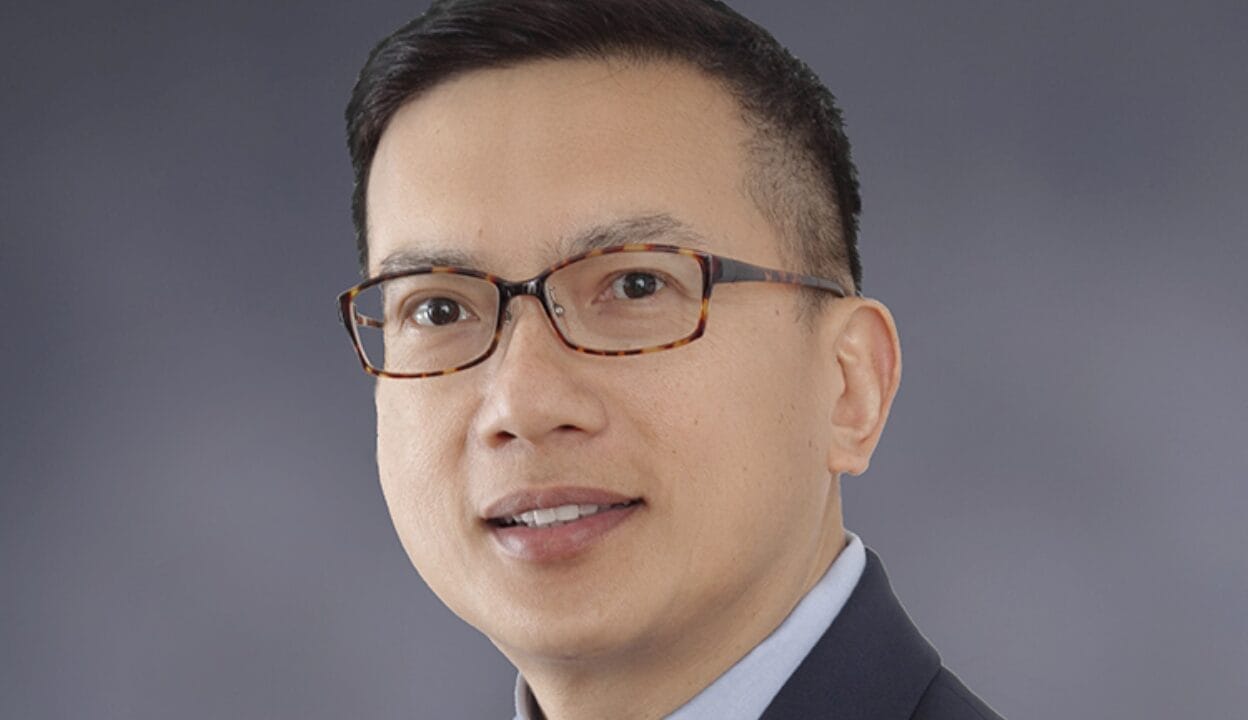
“Emerging managers can offer several advantages, including differentiated strategies, competitive fee structures, and the potential to access less crowded opportunities. From a portfolio construction standpoint, they can also help diversify sources of return,” Vinzons, CIO at the pension fund since July 2022, tells Top1000funds.com.

By comparison, New York City retirement systems, with one of the most celebrated emerging manager programs, has pledged to allocate 20 per cent of assets under management to diverse managers by 2029 in an increase from current levels of 14.6 per cent of the portfolio and equivalent to around $26 billion. Elsewhere, MassPRIM’s PRIT Fund allocates approximately $15.1 billion, equivalent to about 13 per cent of its AUM to diverse investment managers across all asset classes.

CTPF has partnered with MWDBE firms since the beginning of the 1990s and early dollars were invested with firms such as Ariel Investment, Zevenbergen and Attucks. The strategy got a boost from regulatory changes in 2009 under Illinois Public Act 096-0006 that included new rules requiring the state’s pension funds to set up formal policies and goals to invest with emerging managers.

Today, women-owned managers account for half the $7.6 billion allocation to MWDBE firms and Disabled Veteran-owned firms the smallest proportion, managing $42.2 million. 

Sponsored Content

CTPF invests with emerging managers through direct mandates (with 42 MWDBE firms) and (75) manager of manager or fund of funds programs. Since the inception of the MoM programs, 10 firms have graduated to direct mandates with CTPF and due to their small size, opportunities for many of these firms would not be available without the manager of managers programs.

Emerging managers must meet the same performance and risk standards as any other managers CTPF employs and the pension fund doesn’t distinguish diverse manager returns from the returns of its wider manager cohort. Vinzons explains that all managers are evaluated using the same performance, risk, and operational criteria, regardless of ownership status and emerging managers are central to CTPF hitting its target return of 6.5 per cent.

“Ownership characteristics do not change our performance expectations. Our focus remains on hiring the best managers for the portfolio based on merit, performance potential, and risk management. Our investment manager diversity efforts are longstanding, policy‑driven, and fully consistent with our fiduciary responsibilities as long‑term investors.” 

In fiscal year 2025 the pension fund returned 12.05 per cent while five and ten-year annualised gross returns were 9.66 per cent (vs. benchmark of 9.24 per cent) and 8.09 per cent (vs. benchmark of 7.75 per cent) respectively.

In recognition of the challenge emerging managers face getting in front of pension funds, CTPF hosts a first look meeting every other month to provide new managers with the opportunity to meet the CTPF team including investment consultants, staff and the board.

Short term events shouldn’t drive long term decisions

Vinzons says he isn’t adjusting anything in the portfolio in response to today’s volatility and inflation coming down the line because of the war in the Middle East. He says CTPF periodically reviews its asset allocation and portfolio construction to ensure alignment with its long‑term return objectives, risk tolerance, and liquidity needs and any adjustments are “evolutionary rather than reactive”.

He says strategy is driven by long‑term capital market assumptions, diversification benefits, and disciplined rebalancing rather than short‑term market conditions and his focus remains on maintaining a well‑diversified portfolio that can perform across market cycles.

“As a long‑term investor, we emphasise discipline, diversification, and adherence to policy rather than tactical market timing. For long‑term investors, geopolitical conflict reinforces the importance of diversification and risk management rather than prompting immediate portfolio changes. We monitor potential second‑order impacts such as energy markets, inflation expectations, and broader global growth, but our investment approach is designed to withstand geopolitical uncertainty over time. Our policy framework helps ensure that short‑term events do not drive long‑term decisions,” he said.  

Still, he is closely monitoring liquidity, pacing across private markets, and manager performance relative to expectations to ensure resilience in a higher‑volatility environment – while continuing to meet those long‑term return objectives.

A resilience that is challenged, given Chicago’s pension systems remain among the most poorly funded retirement systems in the country. CTPF has a 47 per cent funded status exacerbated over the years by late contributions from the city’s employers.

He says contribution timing is an important consideration, particularly from a liquidity and pacing perspective. But that investment strategy also takes these factors into account through disciplined cash‑flow forecasting, conservative liquidity management, and measured pacing in private markets.

Leave a Comment

Finland’s Elo: Larger equity allocations promise new media scrutiny

Finland’s Elo: Larger equity allocations promise new media scrutiny

As Finland's pension funds prepare to increase their equity allocations to unprecedented levels compared to global peers, they must also navigate a new and unfamiliar risk. Elo's chief investment officer Jonna Ryhänen explains the fund's investment approach going forward and how it will manage stakeholder and media scrutiny as they react to swinging volatility and returns.

Sort content by

SWIB talks active equity as a Best Ideas portfolio takes off

Susan Schmidt, head of public equities at SWIB, talks about the fund's new Best Ideas portfolio. Despite technology's reach and market efficiencies, there is still ample room for a fundamental approach where human skill and a unique investment culture find mispriced opportunities.

Total portfolio management pays off at LPPI

The Local Pension Partnership pooled fund has saved £113 million in costs since inception. But the real benefit, according to chief executive Chris Rule, is the governance structure which allows the outsourced provider to manage the total portfolio. He spoke to Amanda White about the power of total portfolio management.

Norway’s Folketrygdfondet seeks to spread its wings

Why Folketrygdfondet, the asset manager of Norway’s Government Pension Fund Norway’s NOK 330 billion ($31.4 billion) allocation to domestic and Nordic fixed income and equities, wants to spread its wings.

CalPERS’ 2030 strategy centred on private market build

Private markets are the cornerstone of CalPERS’ 2030 goal and strategic destination which will include building capabilities inhouse for direct investing. A number of new appointments, including Daniel Booth and Anton Orlich, have boosted the skills in the team. Amanda White spoke to CIO Nicole Musicco.

New Jersey eyes private credit opportunities

The investment team at New Jersey Division of Investment explain why they are bullish on private credit, and flag trends in increasingly large capital raises by external managers. This risks pension fund assets not being allocated but sitting with 'asset gatherers' more focused on management fees.

CalPERS’ leadership trio on culture, mission and responsibility

CalPERS stands out among its global peers with three women leading the organisation as chair, CEO and CIO. Amanda White spent time (on zoom) with the group to find out what drives the leadership team and how collaboration and a shared mission are creating an innovative investment culture.

Previous




