
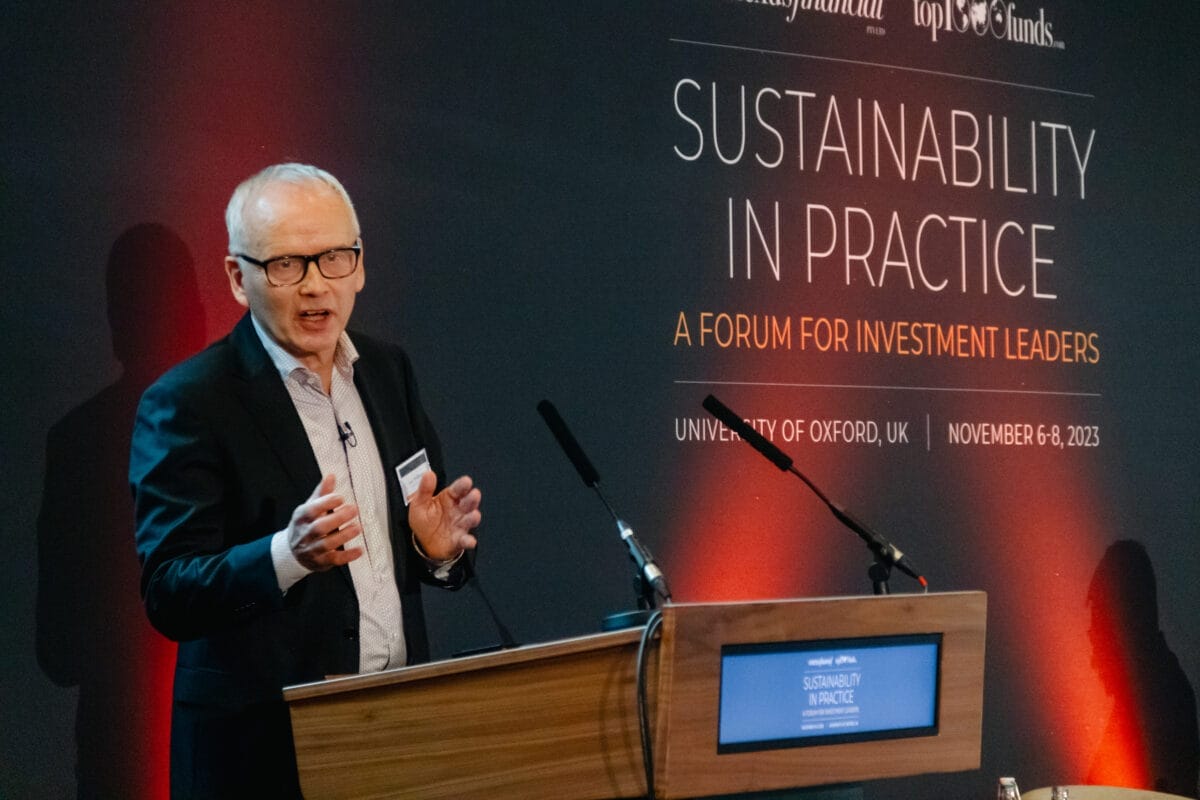

With the right governance models pension funds can play a role in broader societal issues, such as mental health in the workplace, while still delivering financial security for members.
A unique “democratic governance structure” at the Danish Velliv Association allows it to manage multiple objectives – delivering value to members and focusing philanthropic efforts on mental health in the workplace – chief executive Lars Wallberg told delegates at the Sustainability in Practice conference at Oxford University. The commercial Danish pension fund Velliv is 100 per cent owned by its 400,000 members after its holding company, Velliv Association, purchased the remaining shares of the company from Scandinavian bank Nordea in 2019.
It works with a board of representatives – effectively 50 individuals elected by and from among the members – and a board of directors consisting of seven board members and two deputies from the association. The board, on behalf of the members, voted to distribute 80 per cent of profits to members, with 20 per cent donated to philanthropic activities.
“We, the owners, keep at arm’s length when it comes to the company’s operations,” he told the crowd. “80 per cent of our profits is distributed to our members as a cash bonus annually, which has amounted to €200 million since we started in 2018. It’s been quite popular, which is one way of showing the difference between a company being owned by a bank and owned by the customers.”
“20 per cent of the profits are donated to philanthropic activities that promote mental health in Denmark. That amounts to about €50 million since 2018, which makes us one of the largest actors in this area.”
The philanthropic arm is partially a result of the inability to make mental health “investible”, according to Wallberg, who also is the chair of two other foundation that are experimenting with creating investment opportunities around workplace mental wellbeing. The problem lies in measurement.
“This is a philanthropic activity, we give money, and we don’t get anything in return,” he said. “The measurement problems at stake are massive, because measuring impact in the ‘E’ or the ‘G’ [in ESG] might be possible, but the ‘S’ and especially when it comes to mental health is very, very difficult.”
Velliv Association is often questioned about why it spends the time and resources on workplace mental health, when Denmark is known as one of the happiest countries in the world, Wallberg admitted. But he said his experience and underlying data from the company paint a completely different picture.
“I would challenge that [notion of the happiness], because it’s not how our teens would describe themselves. We’re not that extroverted and emotional, normally. Yes, Denmark is a very privileged country and a wonderful place to live and work, but we have our challenges anyway.”
Meanwhile, Velliv’s own pension statistics also suggested that stress, anxiety and depression are among the biggest factors behind people leaving the job market for a short or long period, accounting for about 50 per cent of all the disability payments made by the company.
In some way, Wallberg said the pension and philanthropic arms are helping each other out – the former on a client level and the latter on a societal level – and reiterated the importance of bringing more visibility to mental health issues.
“One of the good things is that leaders in the very hard driving sectors, such as financial services, many of them are much more open to the challenges that they have mentally, both as persons and as professionals.
“If you have a broken arm, your colleagues can say: ‘Sorry about that. What happened?’ But you both know in a few weeks’ time, you will probably be okay. But stress, anxiety and depression… How do you go to your boss and say: ‘Sorry, I have depression. I don’t know when I’ll be back’? We have a long way to go here.”








Leave a Comment
You must be logged in to post a comment.
Login