
Canada to allow retail contribution to new SWF

Mark Carney

Canada has established its first national-level sovereign wealth fund with a seed of C$25 billion ($18.3 billion) to underwrite “nation-building” projects like ports, mines and energy infrastructure.

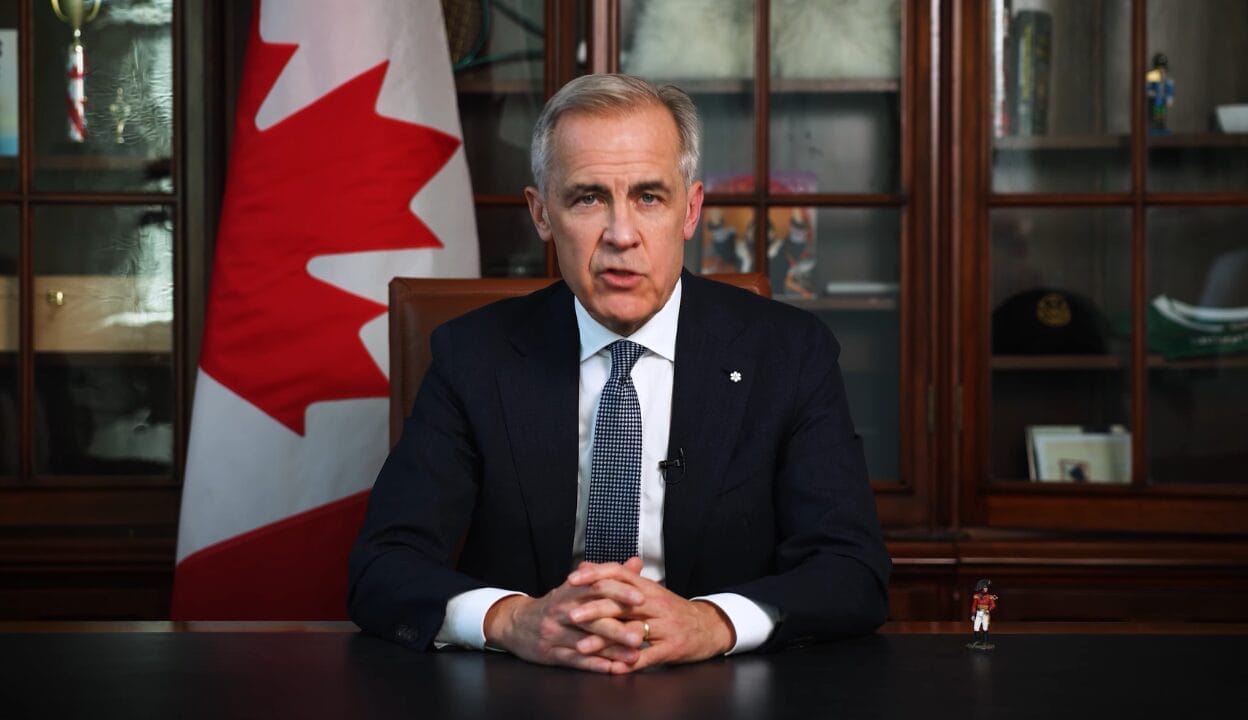
In an announcement on Monday, Prime Minister Mark Carney says the SWF, dubbed the Canada Strong Fund, will invest alongside domestic and international private investors to drive “economic transformation”. The announcement comes amidst a global push for sovereign wealth funds to involve themselves more deeply with nation-building activities, with Australia’s Future Fund recently having its mandate amended to require it to consider “national priorities” when making or managing investments.

The Canada Strong Fund will operate at arm’s length from the government as a Crown corporation – sharing the same status with CPP Investments – and be led by a chief executive and a “qualified independent” board of directors. The organisation will be overseen by the Minister of Finance and National Revenue.

The initial seed will be released by the government over the next three years, with the expectation that returns on investments will give the fund a boost in AUM over time. But there will also be a retail investment product which will allow “individual Canadian investors to participate in Canada’s growth and benefit from its financial returns”.

The latter is an unusual funding mechanism as sovereign wealth funds typically manage pools of state capital, derived from natural resources or foreign exchange reserves. Some SWFs also issue bonds to diversify their funding sources, such as Abu Dhabi’s ADQ and Malaysia’s Khazanah Nasional Berhad.

The government also flagged the possibility it would explore more diversified funding sources in the future. Canadian advocacy and research group Common Wealth suggested this could be from common assets such as natural resources rent, use-fees on public property and public-private partnership equity; value created in the economic system such as budget surpluses; or “market concentration fees” such as levies on anti-competitive practices.

Sponsored Content

A “Canada Strong Fund transition office” will also be established to engage with other market participants and regulators.

“Through the Canada Strong Fund, all Canadians will have the opportunity to share directly in these benefits. This is our country, this is your future, and we are building it together,” Carney said.

 Details are scant on how the pool of capital will be invested, and it is still unclear as to whether the fund will house an internal investment team or leverage external managers, what type of assets it will invest in and what its return targets will be. Details around mandate, governance and implementation plans will be bedded down in the coming months.

Canada is the latest in a slew of countries that have established SWFs or kicked off the process to do so in recent years. US President Donald Trump signed an executive order to establish a US SWF last February, though its specific shape remains unclear as the 90-day deadline to release a plan for the SWF came and went without further news.

President Donald Trump has loosely described the objective of the US SWF in the executive order as being for the “sole benefit of American citizens”. Stanford expert Ashby Monk believes that to mean it is likely to be a sovereign development fund – a type of SWF “that strategically pursues both commercial returns and specific domestic policy goals”, the research paper says.

Indonesia established its second SWF Danantara last February “to manage and optimise government investments and assets from state-owned enterprises”.

The Canada Strong Fund joins other state investment vehicles including Canada Infrastructure Bank, Export Development Canada and the Canada Growth Fund to underpin investments in essential projects. “Comprehensive mandate reviews” will be conducted to ensure clarity of roles in the federal financing system.

Leave a Comment

The twin forces rewriting the rules of investing

The twin forces rewriting the rules of investing

Portfolios built for the old world will be severely tested as emerging forces rewrite the rules of investing. The Fiduciary Investors Symposium heard that geopolitical and macroeconomic upheaval, together with the disruption wrought by AI, should force asset owners to rethink the structure and composition of portfolios.

Sort content by

PSP expands total portfolio approach

In just 20 years the Canadian fund PSP Investments has grown from a standing start to more than C$200 billion. As it enters its next five year strategy, Amanda White spoke to CIO Eduard van Gelderen about the next phase of portfolio management and the development of its total portfolio approach including assessing and allocating investments on a sector basis.

Church of Sweden manages concentration risk

The SEK10 billion Church of Sweden fund invests all its assets through a sustainability lens. It’s had stellar performance driven largely by a chunk of the fund invested in the Generation Investment Management global equity fund, an investment that was diluted last year to manage concentration risk. Amanda White spoke to CIO, Anders Thorendal.

Kotkin on China’s education and human capital challenge

In a presentation on investor risk and opportunity in China Professor Stephen Kotkin argued that unless China can improve its education system, the country will remain in the middle-income trap. Kotkin questioned whether investors might seek growth in Asia outside of China.

AIMCo enhances top down strategy function

In October 2020 AIMCo, the C$118 billion Canadian fund appointed its first chief investment strategy officer splitting the investment function between the top down strategy and bottom up implementation responsibilities. Amanda White talks to Amit Prakash about how the new function will add valuable investment insights to clients.

Execution risk in net zero portfolios

Implementing net zero ambitions is a huge execution risk for investors, says Frederic Samama who warned of the risk of everyone doing the same thing at the same time.

Stiglitz: No global recovery without equal access to vaccines

Celebrated economist Joseph Stiglitz, University Professor at Columbia Business School, says the slowness in developing a comprehensive approach to debt in emerging markets and developing countries will result in a weaker global recovery. He urged for a restructuring of debt in a coordinated approach between the public and private sector.

Previous