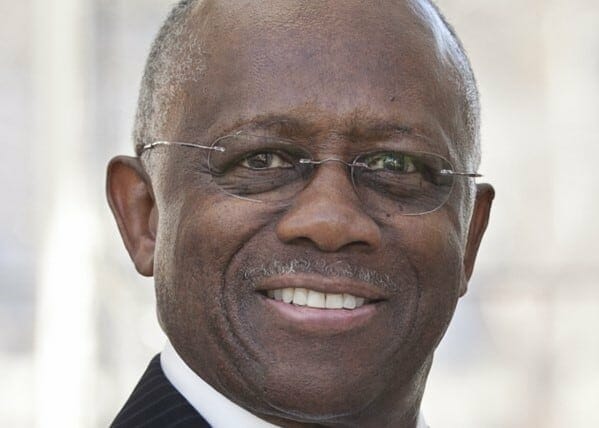

CalPERS’ role in tackling racism

CalPERS has a moral imperative to confront racism
Continue Reading

A Top1000funds.com subscription unlocks the full article

Join the global institutional investment platform read by the world's largest asset owners, fund managers and consultants.

New here

Create an account

Complimentary to register. We'll verify your details and grant access to the archive, our newsletters and the Asset Owner Directory (enhanced features coming soon).
Register now
Already a member

Sign in

Already activated your account? Sign in to continue reading and access your saved articles, preferences and member-only content.

One response to “CalPERS’ role in tackling racism”

  1. William Michael Cunningham, AM, MBA

    We are in the pool of Non-Fiduciary advisors to CalPERS. As we stated in filings to the fund last year, “We note that CalPERS will find it difficult and costly to deliver benefits promised in markets riven by a lack of ethics, and in a society with growing racially targeted violence, environmental degradation and extreme social instability.” Also see: Black communities need more help from Fed https://www.americanbanker.com/opinion/black-communities-need-more-help-from-fed

Leave a Comment

Future Fund sees EM shifts widening alpha opportunities; CEO to depart

Future Fund sees EM shifts widening alpha opportunities; CEO to depart

Australia’s Future Fund has highlighted strong performance in global equities, particularly in Japan and emerging markets, as a key return driver for its last reporting period. Despite increased concentration in EM indexes, new CIO Richard Brandweiner said it could lead to more alpha opportunities. Meanwhile, CEO Raphael Arndt said the time has come for a “fresh leader” to steer the fund as he prepares to close out a close to two-decade tenure with the $255 billion investor.

Sort content by

CalPERS board reflects on liquidity and leverage; higher delegation limits

The investment team at CalPERS asks the investment committee for an increase in staff delegation limits for private assets to help meet the new SAA to private markets, and the board reflects on the liquidity and leverage program in place.

Why Germany’s economy is hardest hit by the energy crisis

The former head of Shell explains why the German economy will feel the brunt of the European energy crisis, and argues that nuclear power is the best route to Europe's energy security and net zero ambitions.

Pooling benefits show at Border to Coast in path to investment excellence

As Border to Coast approaches its 5th birthday chief executive Rachel Elwell reflects on the achievement of building a sustainable organisation, what investment capabilities are still to develop and the priorities for the underlying partner funds.

Why active investment is a zero sum game

Asset owners are increasingly under pressure to find alpha via active management because of declines in beta. Drawing on his research into active strategies at Norway’s Government Pension Fund Global, Maastricht University's Rob Bauer argues active doesn't pay.

The pandemic has exposed harsh new equalities warns ITUC

The pandemic has exposed tragic fault lines and new levels of inequality according to Sharan Burrow, general secretary, International Trade Union Confederation, speaking at FIS Maastricht on the eve of her departure from the organisation where she has been general secretary since 2012.

ESG: Engagement, stock picking and investment team expertise key at AP4

Engagement, stock picking and ensuring every investment team has its own sustainability expertise have been key to integrating ESG at AP4, explains chief executive Niklas Ekvall.

Previous



