An announcement from the editor

Today marks a new chapter for our publication.

For nearly two decades, we’ve provided independent, in-depth journalism on how the world’s largest institutional investors construct portfolios, make allocations and navigate an increasingly complex investment landscape.

We’ve published more than 5,000 stories, connecting you with the thinking, strategies and peers shaping the global investment industry.

That commitment isn’t changing. But from today, access to our journalism will require you to be logged in.

This change helps us protect our original reporting from AI crawling and unauthorised republication, while ensuring we can continue investing in the depth, rigour and specialist journalism you expect from Top1000funds.com.

Registration is simple. Once your account is activated and you’re logged in, you can continue accessing the site as usual.

Sponsored Content

Thank you, sincerely, for your ongoing support. And if you have any feedback or ideas for how we can improve, please feel free to get in touch.

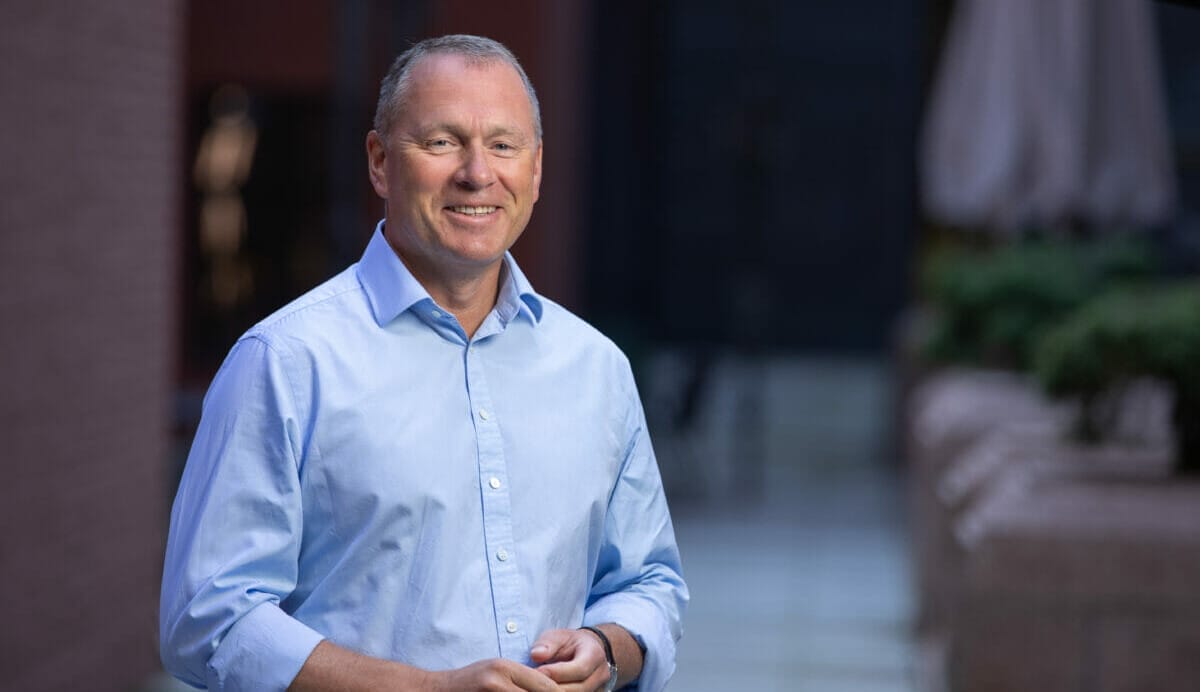
For more context on the change, and why we believe it’s important, watch my short video above.

Continue Reading

A Top1000funds.com subscription unlocks the full article

Join the global institutional investment platform read by the world's largest asset owners, fund managers and consultants.

New here

Create an account

Complimentary to register. We'll verify your details and grant access to the archive, our newsletters and the Asset Owner Directory (enhanced features coming soon).
Register now
Already a member

Sign in

Already activated your account? Sign in to continue reading and access your saved articles, preferences and member-only content.

Leave a Comment

Could Norway’s SWF really disappear?

Could Norway’s SWF really disappear?

Rising geopolitical risks and an AI correction could severely impact the value of the $2.2 trillion Norwegian sovereign fund, according to its chief executive Nicolai Tangen, who went so far as to say the fund could "disappear." The warning is a stark one for the world's largest sovereign wealth fund, whose 70 per cent equity allocation leaves it heavily exposed to any sharp correction in global and particularly US tech markets.

Sort content by

MN: A new private debt allocation that integrates ESG

Fixed income at fiduciary manager MN will now include private debt. Markus Schaen explains the challenges of building out the portfolio alongside MN's client funds' strict ESG priorities. He also explains how for some ESG-conscious investors ESG integration and impact is more important than outperformance.

Politicisation of ESG a ‘constructive dialogue’: Mercer’s Rich Nuzum 

The discourse around ESG investing may be “messy” but Mercer’s global chief investment strategist, Rich Nuzum, says media and political scrutiny can help sharpen the focus of pensions and sovereigns on their objectives and duties.

Why transparency is a strategic initiative for Norway’s SWF

Norway’s giant sovereign wealth fund took out the top spot in this year’s Global Pension Transparency Benchmark. Amanda White talks to CEO of Norges Bank Investment Management, Nicolai Tangen, about why transparency is important and why under his leadership Norges aims to be the best fund in the world.

MassPRIM’s laser focus on fees

MassPRIM credits a crucial element of its investment success to a laser focus on controlling costs. Costs, alongside risk and return, comprise three philosophical pillars that shape investment and in the fiscal year 2024 cost saving measures include no-fee co-investments in private equity and direct investments in real estate.

Building portfolio resilience in the face of uncertainty

As the multitude of macro-economic risks influence market conditions in unpredictable and unprecedented ways, CIOs are facing the most challenging and interesting times in their careers. A group of investors came together in London to shareideas on how to best assess risk and position their funds for the challenges and opportunities in this increasingly demanding market.

Net zero: engagement and renewable energy investments pay off at USS

The UK’s largest private pension fund, USS has made ground on its path to net zero with effective engagement, measuring the Scope 3 emissions of its corporate assets and bottom-up carbon analysis focused on transition risk in emerging market equities. But investors need policy makers to do much more.

Previous