
ADIA infrastructure focuses on renewables, digital

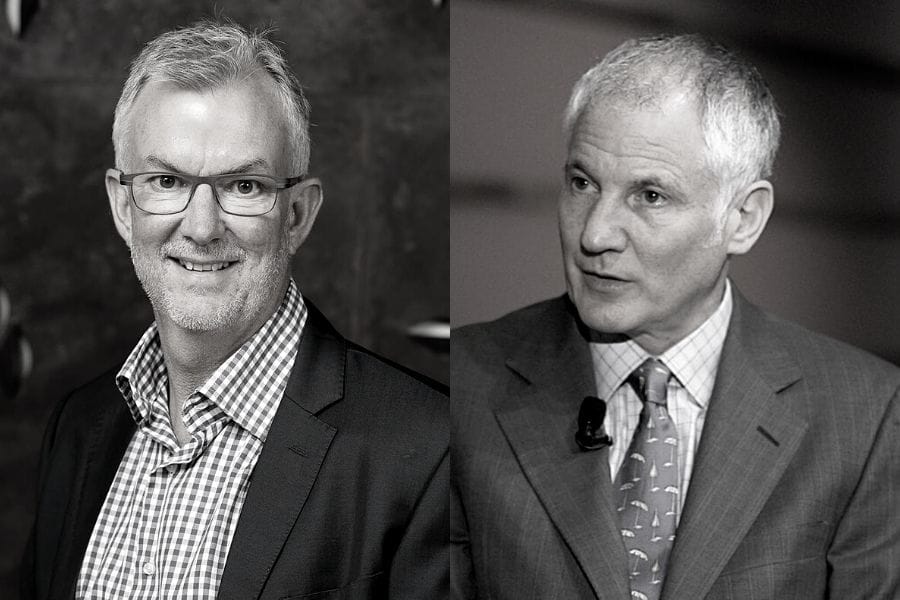
ADIA is increasing its focus on renewables and digital infrastructure as its infrastructure investments mature and a more sector-led strategy is introduced into the planning process according to Karim Mourad, global head of infrastructure at ADIA.

ADIA has been investing in infrastructure since 2008 and has a portfolio across all major sub-sectors and regions with a strategic allocation of up to 5 per cent of the fund.

In the past it has focused on detailed, bottom-up deal assessment but a new focus on sector-led analysis as part of the overall strategy of the fund has meant a more purposeful focus increasing exposures to some growth sub sectors including renewables and digital infrastructure.

It also means fewer but larger acquisitions and managing the overall number of positions, he says.

While some sectors such as passenger-linked transport assets were challenged last year, others including digital infrastructure and renewables experienced a stand-out year.

“We were an early mover in renewables. We recognised the opportunity for a long-term investor to back strong companies such as Renew and Greenko in India as they developed new technologies and new markets,” he says. “Looking ahead, we expect renewables will continue to grow their proportion of global energy capacity, supported by strong tailwinds from the flow of capital into the sector from ESG- focused funds. We have made investments in the USA, Europe, India, and developed Asia, in companies that are at different stages of maturity, and we remain a keen investor in the sector.”

Sponsored Content

Mourad says the fund is working on various initiatives associated with energy transition more broadly and expects that to be a key area of focus in the near-to medium-term.

In addition the demand for digital infrastructure is only going to grow, he says, and these assets offer a source of diversification uncorrelated to more traditional transport or energy assets.

“Over the past few years, we have built our relationships, capabilities and asset portfolio in the sector, and we have exposure to fiber investments in the USA, Europe and India, exposure to towers across Europe and APAC, and have made inroads into data centers through listed investments. We expect to use the full playbook of strategies to access opportunities in this dynamic and growing sector,” he says.

In July this year ADIA invested $500 million in what is a significant minority stake in EdgePoint Infrastructure, a digital infrastructure platform focused on developing, acquiring and operating telecommunication towers, distributed antenna systems and adjacent infrastructure in Southeast Asia.

Meanwhile Mourad says the benefits of predicable, stable cash flows means core infrastructure remains attractive and the fund will continue to invest in transport and utilities.

In 2020 the fund deployed more capital in infrastructure than any other year including three investments made in listed infrastructure in the last quarter. The listed universe remains an area where the team will focus and look for dislocated or relative value opportunities, Mourad says.

An example of the fund’s approach to infrastructure across both listed and unlisted is its investment in WestConnex in Sydney, Australia. Alongside AustralianSuper, CPPIB and Transurban it holds 51 per cent in the motorway network, WestConnex, and it also participated in Transurban’s equity raising on the Australian Securities Exchange.

“Our listed programme also means we can support key corporates with whom we have strong relationships on strategic transactions where they need to raise capital. This will continue to be important given our ongoing focus on larger, more strategic investments alongside other investors,” Mourad says.

The fund is looking to grow its infrastructure team and is actively recruiting.


Leave a Comment

America’s net zero opportunity

America’s net zero opportunity

Research from Princeton University plots a Blueprint for how the US can achieve net zero emissions in the next decade showing the key is overcoming execution challenges including the infrastructure deployment and the mobilisation of capital and labour.

Sort content by

Scenario analysis and investment strategy – the risks of climate

Scenario analysis shows that the ability of pension funds to pay their pensions will be severely impacted by climate.

Impact investing at a total portfolio level

This conversation explored how global institutional investors are approaching the challenge of balancing financial and impact goals.

SEC chair Gensler in favour of mandatory climate disclosure

SEC chair Gary Gensler is in favour of the regulator stepping in to bring greater clarity and consistency to corporate climate disclosure. Speaking at a PRI webinar he said the current level of disclosure doesn’t allow investors to compare corporate climate preparedness, and that much of the data is inconsistent. 

Finding alpha: Church Commissioners outperform

The £9.2 billion portfolio managed for the Church Commissioners for England has returned 9.7 per cent over 10 years through a focus on sustainability and a willingness to try things early, such as forestry and venture capital. Amanda White spoke to CIO Tom Joy about where the fund looks for alpha and the need for a non-traditional allocation.

Asset owners apply pressure on managers for net zero integration

The David Rockefeller Fund and Wespath Institutional Investors explain how they are engaging managers, and holding them to account, in the drive to net zero integration.

CalSTRS outperforms in every asset class

CalSTRS outperformed its custom benchmark in every single asset class  to deliver a historic fund performance of 27.2 per cent for the year. Amanda White spoke to CIO, Chris Ailman.

Previous