
How do we change America?

[vc_empty_space height=”10px”][vc_media_type_category]The quest to transform this country cannot be limited to challenging its brutal police.

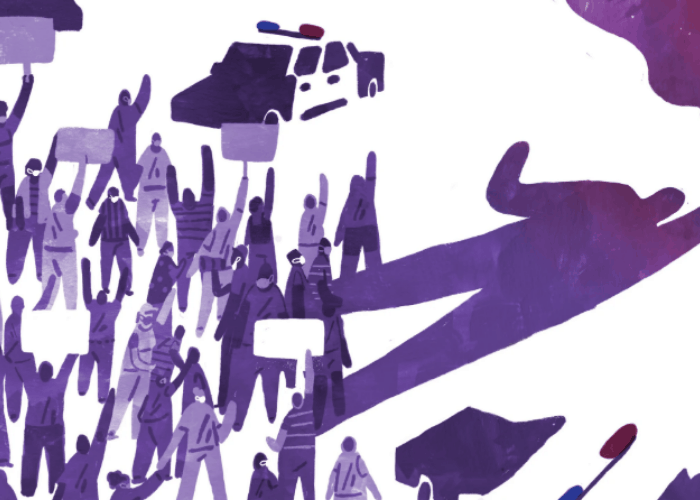
The national uprising in response to the brutal murder of George Floyd, a forty-six-year-old black man, by four Minneapolis police officers, has been met with shock, elation, concern, fear, and gestures of solidarity. Its sheer scale has been surprising.

Across the United States, in cities large and small, streets have filled with young, multiracial crowds who have had enough. In the largest uprisings since the Los Angeles rebellion of 1992, anger and bitterness at racist and unrestrained police violence, abuse, and even murder have finally spilled over in every corner of the United States.

Read How do we change America?, published in The New Yorker on June 8, 2020

Sponsored Content

Leave a Comment

Florida: Opportunities in a crisis

Florida: Opportunities in a crisis

The Florida State Board of Administration has made some strategic moves to take advantage of opportunities in the dislocation, including in private equity, distressed debt and active listed equities.. But CIO, Ash Williams, is concerned about the underlying real economy.

Sort content by

Economic impact of containment measures

This OECD note provides illustrative estimates of the initial direct impact of shutdowns, based on an analysis of sectoral output and consumption patterns across countries and an assumption of common effects within each sector and spending category in all countries.

Greening the recovery

The COVID-19 crisis won’t have a lasting impact on climate change, but the response will—fiscal policymakers should thus aim to make the recovery green according to the IMF.

COVID-19 treatment and vaccine tracker

The Milken Institute is tracking the development of treatments and vaccines for COVID-19. There are currently more than 2.5 million confirmed cases globally, 114 treatments in consideration and 79 vaccines in development.

Pandemic I: The first modern pandemic

In this memo Bill Gates shares his views of how to accelerate global innovation, which is the key to limiting the damage to society and the economy. This includes innovations in testing, treatments, vaccines, and policies to limit the spread while minimizing the damage to economies and well-being.

The economics of a pandemic

This lecture by professors of economics at the London Business School looks at the science, health policies, economics and macroeconomic policies related to COVID-19.

How the G20 can hasten recovery

This report argues the G20 not only should but can be meaningfully useful to recovery from the COVID-19 pandemic. It looks at the role of G20 in designing a fiscal response, strengthening access to vital medical supplies and ensuring global food security.

Previous