
Strathclyde cuts equity allocation
The UK’s largest public pension fund is de-risking its successful equities portfolio and looking to private debt, emerging-market debt, global credit and UK infrastructure to fill the void.
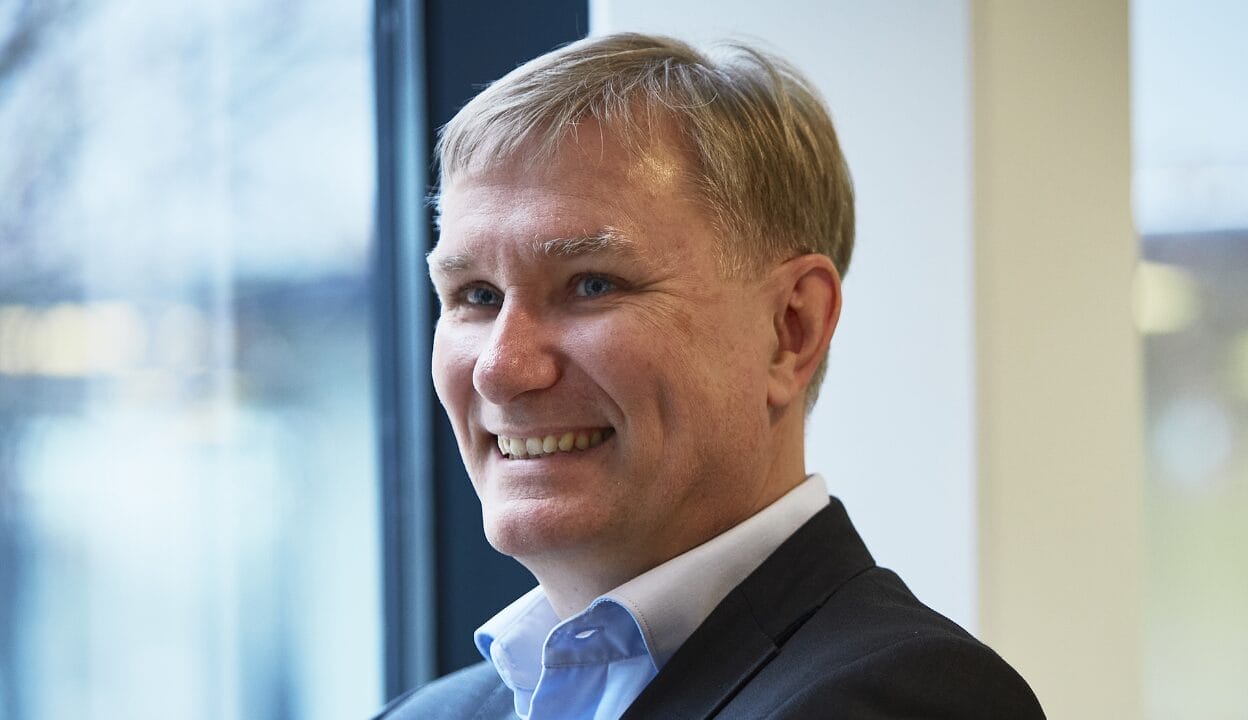
In Denmark’s fiercely competitive commercial pension industry, Velliv was quick to take action with a root-and-branch overhaul of its pension provision when it experienced a drop in returns in the first half of 2024. It sacked its active equity managers and scaled up internal active strategies and low-cost, index-based investments instead, and stopped allocating to its $4.3 billion alternatives allocation. Thor Schultz Christensen, deputy CIO at Velliv, unpacks the change.
The UK’s largest public pension fund is de-risking its successful equities portfolio and looking to private debt, emerging-market debt, global credit and UK infrastructure to fill the void.
The UK’s $78 billion USS remains growth focused despite a funding deficit, employing direct investment in private markets and tapping US government bonds in anticipation of lower gilt prices.
The $12 billion Louisiana State Employees’ Retirement System is overhauling its multipronged alternatives portfolio to concentrate on top-performing allocations and shake up the manager roster.
The $203.5 billion Temasek is making plenty of shifts in its flexible equities portfolio, to target markets, sectors or entities with the competitive advantage for global growth.
The Canada Pension Plan Investment Board has increased its focus on emerging economies, using active management to access local expertise and maximise its advantages of scale.
Australia’s sovereign wealth fund has revamped its equities portfolio to take on deliberate factor risk and target idiosyncratic risk. The fund’s head of equities, Björn Kvarnskog, explains.






Top1000funds.com is the market leading news and analysis site for the world’s largest institutional investors. It focuses on leading the global investment industry to continuous improvement through case studies of best practice in governance and decision making, portfolio construction and efficient portfolio management, fees and costs, and sustainable investing.
The publication pushes the industry to question whether status quo processes and behaviours to tackle risks and opportunities will be sufficient in the future, and actively campaigns for diversity, sustainability, transparency, innovation and better alignment of fees in the investment industry.
Top1000funds.com is read by investment professionals in more than 40 countries.

Investor Profile