
Japan’s GPIF and the next 100 years
With a unique long-term horizon – 100 years – Japan’s GPIF takes a different view of investing but is pragmatic enough to see that not all investors need to behave the same way.
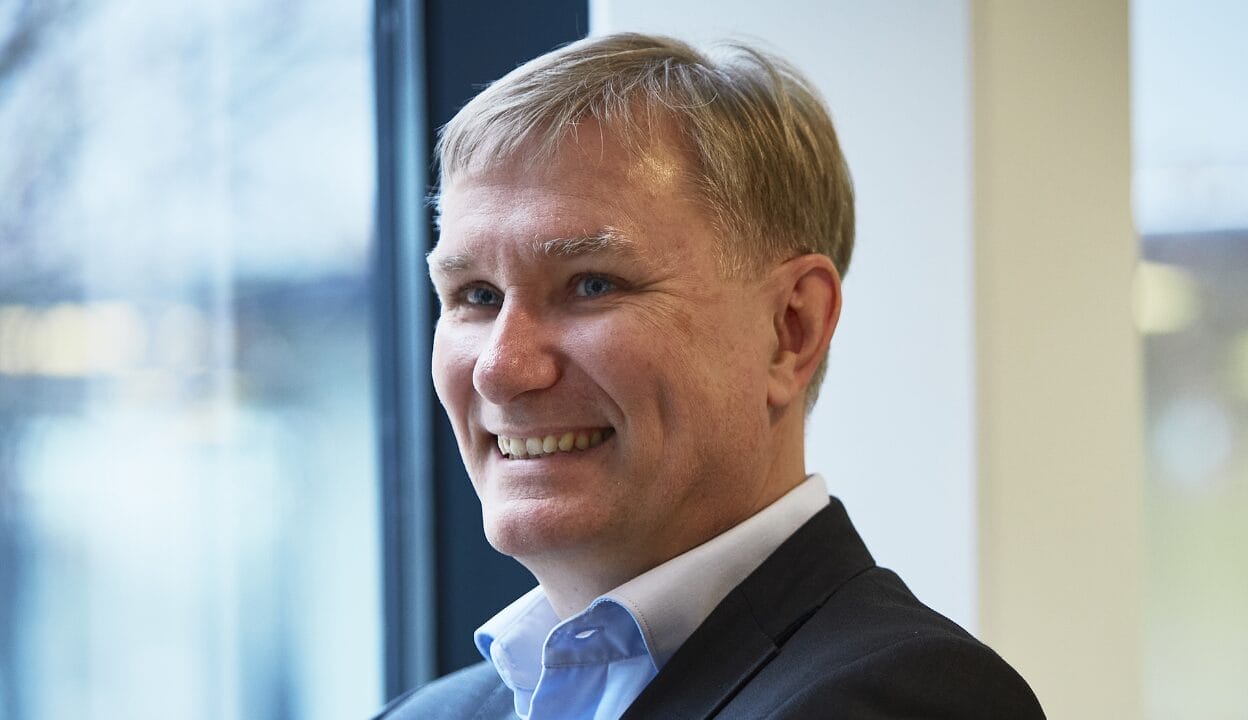
In Denmark’s fiercely competitive commercial pension industry, Velliv was quick to take action with a root-and-branch overhaul of its pension provision when it experienced a drop in returns in the first half of 2024. It sacked its active equity managers and scaled up internal active strategies and low-cost, index-based investments instead, and stopped allocating to its $4.3 billion alternatives allocation. Thor Schultz Christensen, deputy CIO at Velliv, unpacks the change.
With a unique long-term horizon – 100 years – Japan’s GPIF takes a different view of investing but is pragmatic enough to see that not all investors need to behave the same way.
CalSTRS focuses on fee reduction, using hedge funds for risk mitigation and ponders divestment from coal in emerging markets. Sarah Rundell interviews chief investment officer, Chris Ailman.
France’s €36.3 billion Fonds de Réserve pour les Retraites has a positive outlook for Europe and is prioritising “de-carbonisation” and active strategies to position the portfolio for new trends.
The combination of 89 local government pension schemes, (LGPS), into a pool of funds means significant and large direct investment in the UK is possible when pension funds work collectively.
The US$60 billion Mass PRIM has recalibrated its hedge fund portfolio moving from fund of funds to direct relationships, reducing fees, and using managed accounts. So what’s next?
Long-term investment in real estate, infrastructure and asset based lending, including financing ships and aircraft where traditional bank backers have fled, make up the German fund’s strategy.






Top1000funds.com is the market leading news and analysis site for the world’s largest institutional investors. It focuses on leading the global investment industry to continuous improvement through case studies of best practice in governance and decision making, portfolio construction and efficient portfolio management, fees and costs, and sustainable investing.
The publication pushes the industry to question whether status quo processes and behaviours to tackle risks and opportunities will be sufficient in the future, and actively campaigns for diversity, sustainability, transparency, innovation and better alignment of fees in the investment industry.
Top1000funds.com is read by investment professionals in more than 40 countries.

Investor Profile