
FIS Stanford Photo Gallery
View photos from the 2018 Fiduciary Investors Symposium, held at Stanford University, United States.
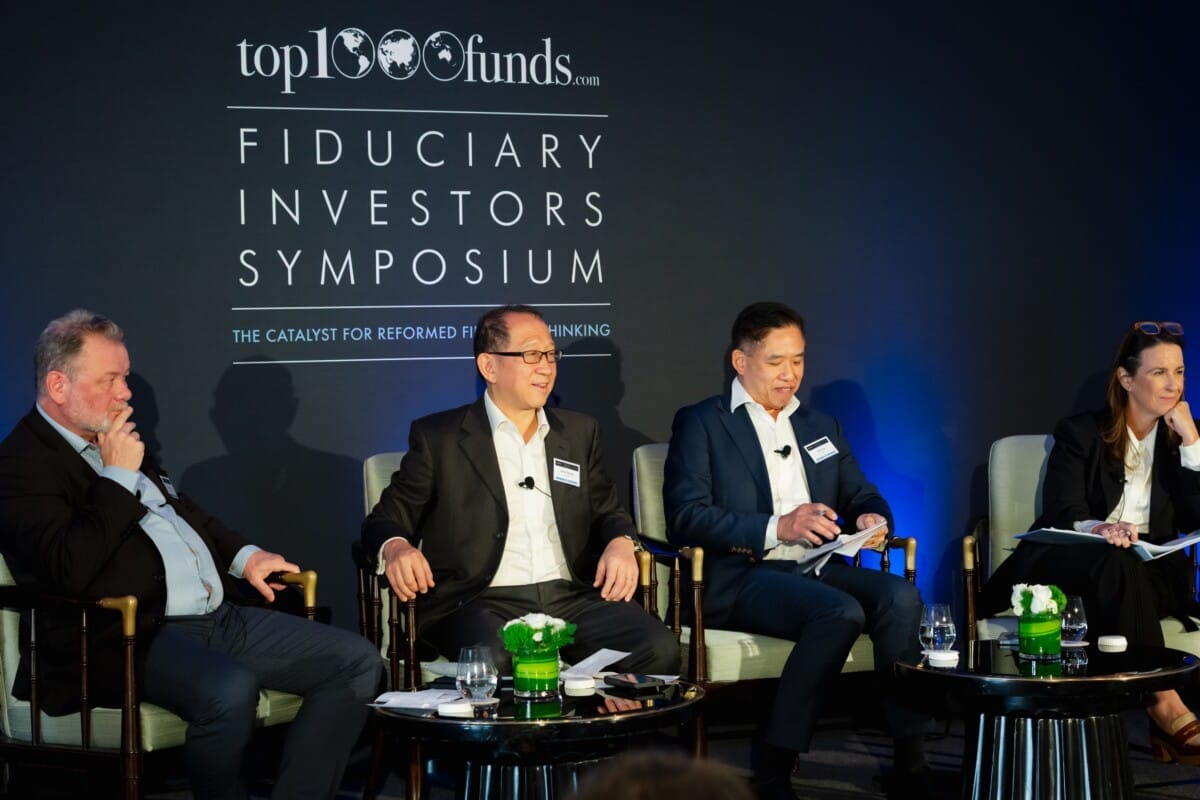
As artificial intelligence models become more sophisticated, asset owners and managers are rethinking portfolio construction as an activity sitting at the nexus of human and machine, which means gaining an edge over the market increasingly needs investors to tap into the wisdom from both sources.
The global economy is increasingly bifurcated between the US, Europe and Asia and how the growth projections and geopolitical risks between these regions plays out is of increasing interest to institutional investors. The Fiduciary Investors Symposium in Singapore will look at the return and impact opportunities in the region, and the importance of Asia in the global economy.
It will examine the global economy in the context of the west adapting to a rising Asia; technology decoupling between the US and China; the impact of COVID-19 on Asian economies; the leading role of Asia in technology, smart cities, digitalisation and fintech; ESG risks and opportunities; and portfolio resilience to different macro-economic regimes.
The conference enables asset owners from around the world to explore investment themes, risks and opportunities with their global peers, and explore cutting edge approaches to risk management, liquidity management and portfolio construction.
View photos from the 2018 Fiduciary Investors Symposium, held at Stanford University, United States.
Understanding the fractious relationship between US and China is more important– and simultaneously more confronting – than it has been in the past, according to Stephen Kotkin, professor of history and international affairs at Princeton University. While the China investment challenge has always been to capture the aspirational middleclass, the high-profile historian says “the big money that’s going to be made in China is going to be made from the dislocation”.
Institutional investors' investment strategy should be serving the China middle class and the dislocation from within Asia, according to Stephen Kotkin,Professor of History and International Affairs at Princeton University speaking at the Fiduciary Investors Symposium at Cambridge University. He explored what the geopolitical conflicts of the past can teach us about the future. He looked at some of the key points in history, how China, the European Union and the US have survived, and what it means for the future.
The returns of long-term investors are driven by economic growth so it is difficult to ignore China as a big part of the future investment opportunities, a panel of experts told delegates at the Fiduciary Investors Symposium.
Strategic tilting has added 1.1 per cent, or NZ$3 billion, to the New Zealand Super Fund’s reference portfolio over the past 10 years, David Iverson, head of asset allocation at the NZ$41 billion fund says. This is way above the expected return from the program which was set at around 40 basis points.
The Fiduciary Investors Symposium at Cambridge University brought together more than 70 asset owners from 15 countries to discuss asset owners responsibility to engage with policymakers, barriers to long term investing and risks including ESG, climate and cyber security. Brett Himbury, chief executive of IFM Investors revealed how an asset manager defines its behaviours and

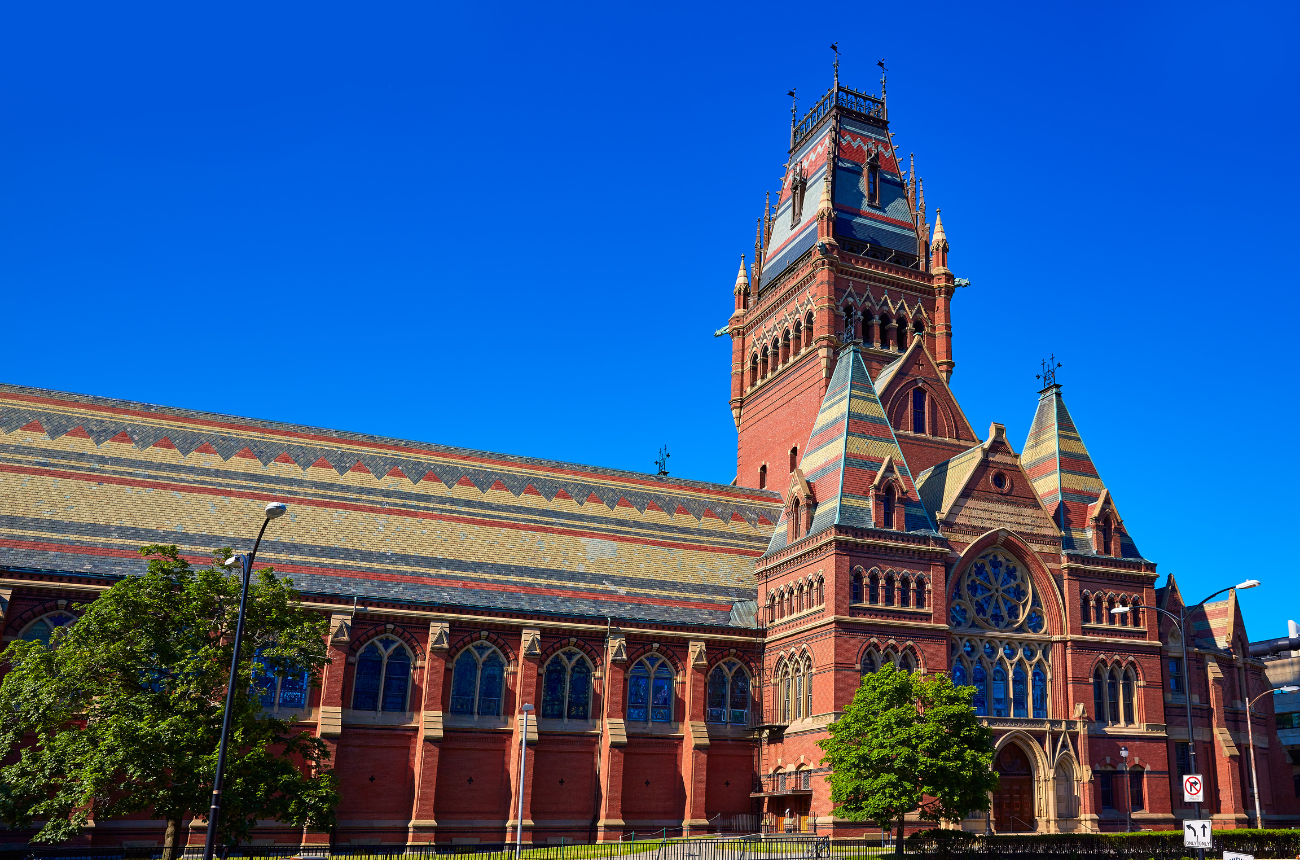
This event looks at the challenges long-term investors face in an environment of disruption including ongoing geopolitical risk and shifts in global economic dynamics. By accessing faculty of Harvard’s esteemed university, this event will leave investors empowered to tackle disruption in their portfolios and working lives.
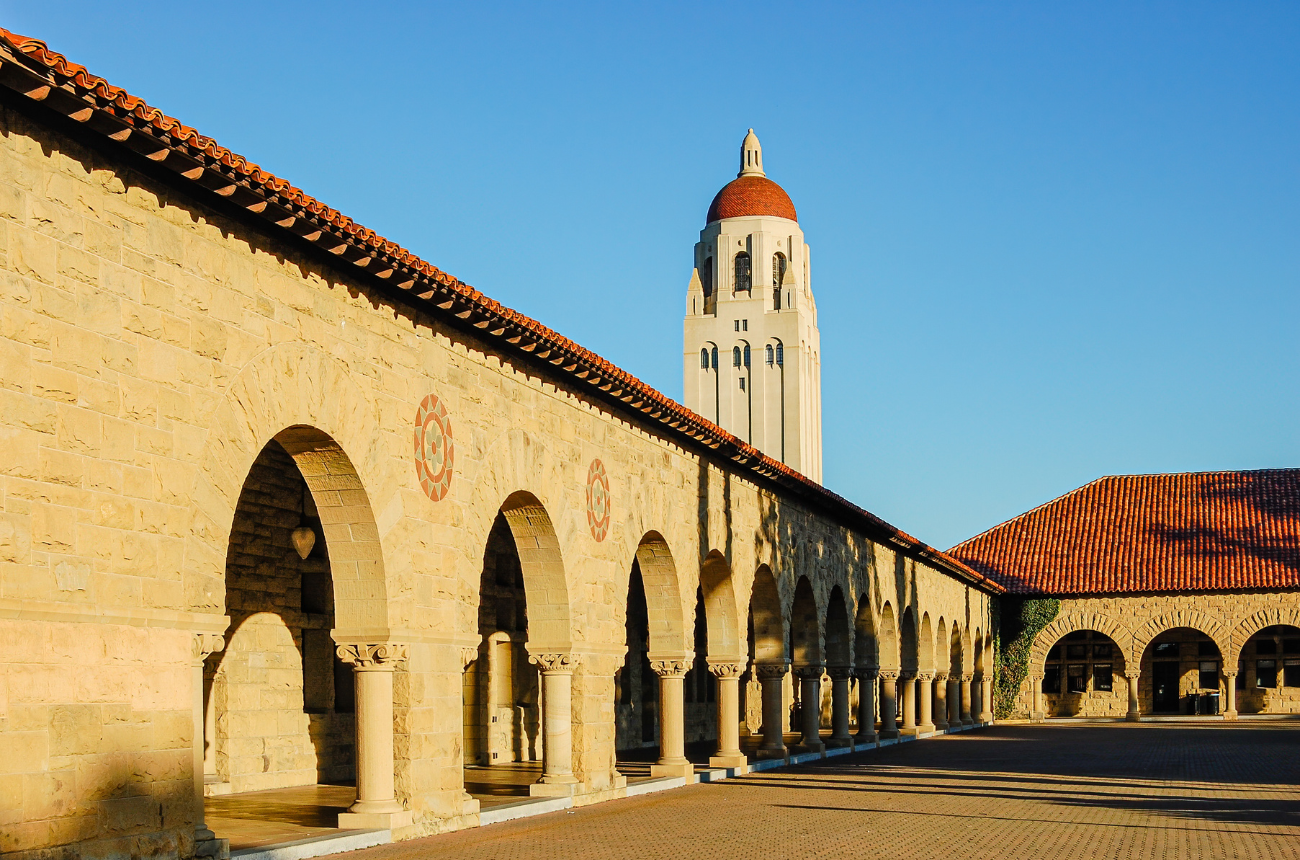
The Fiduciary Investors Symposium at Stanford University celebrates the fast-moving change taking place in economies and communities and will examine the impact of innovation on our lives, workplaces and investments.





Top1000funds.com is the market leading news and analysis site for the world’s largest institutional investors. It focuses on leading the global investment industry to continuous improvement through case studies of best practice in governance and decision making, portfolio construction and efficient portfolio management, fees and costs, and sustainable investing.
The publication pushes the industry to question whether status quo processes and behaviours to tackle risks and opportunities will be sufficient in the future, and actively campaigns for diversity, sustainability, transparency, innovation and better alignment of fees in the investment industry.
Top1000funds.com is read by investment professionals in more than 40 countries.

Featured Story