
Investors from the moon: Fama
A highlight of the Fiduciary Investors Symposium at Chicago Booth School of Business was an intimate Q&A session with the “Father of Modern Finance” and Nobel Laureate, Eugene F. Fama.
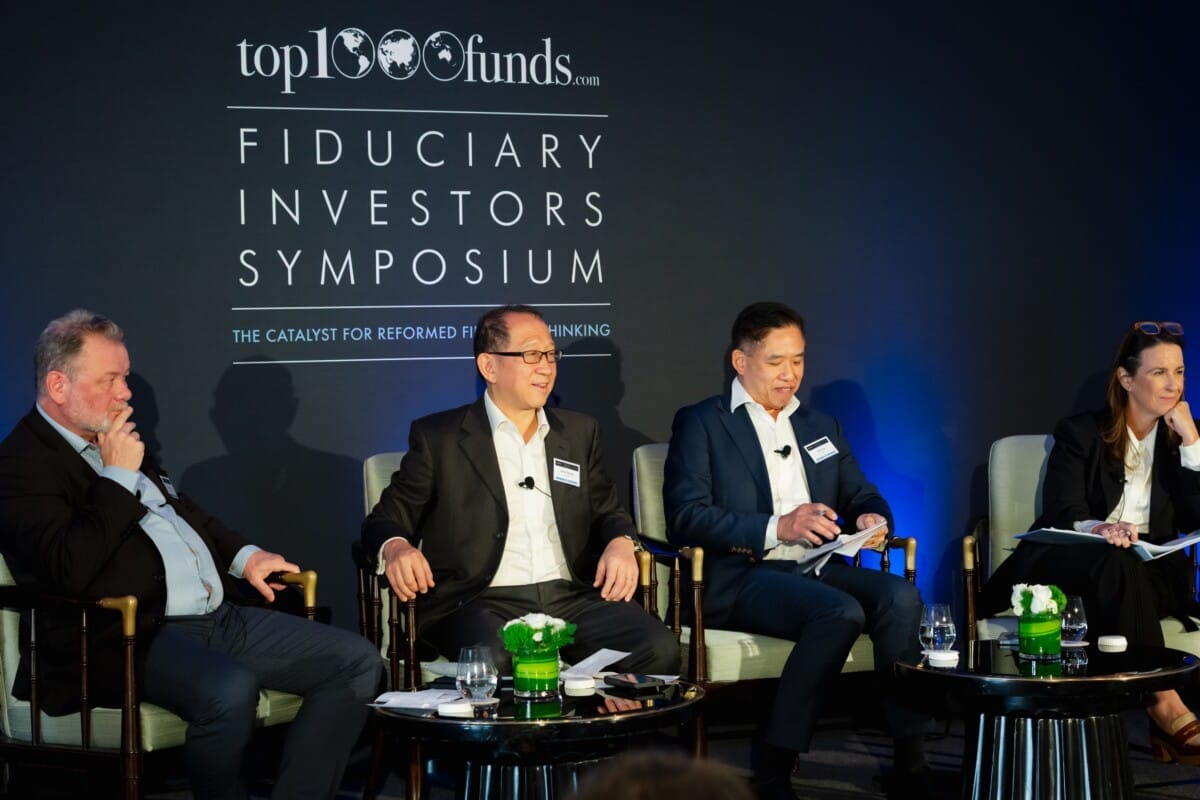
As artificial intelligence models become more sophisticated, asset owners and managers are rethinking portfolio construction as an activity sitting at the nexus of human and machine, which means gaining an edge over the market increasingly needs investors to tap into the wisdom from both sources.
The global economy is increasingly bifurcated between the US, Europe and Asia and how the growth projections and geopolitical risks between these regions plays out is of increasing interest to institutional investors. The Fiduciary Investors Symposium in Singapore will look at the return and impact opportunities in the region, and the importance of Asia in the global economy.
It will examine the global economy in the context of the west adapting to a rising Asia; technology decoupling between the US and China; the impact of COVID-19 on Asian economies; the leading role of Asia in technology, smart cities, digitalisation and fintech; ESG risks and opportunities; and portfolio resilience to different macro-economic regimes.
The conference enables asset owners from around the world to explore investment themes, risks and opportunities with their global peers, and explore cutting edge approaches to risk management, liquidity management and portfolio construction.
A highlight of the Fiduciary Investors Symposium at Chicago Booth School of Business was an intimate Q&A session with the “Father of Modern Finance” and Nobel Laureate, Eugene F. Fama.
“I don’t have to like you, we don’t have to be friends,” says Chris Ailman, chief investment officer of CalSTRS.
Head of the global union movement, Sharan Burrow, has called on asset owners to “stop talking about constraints on fiduciary duty” and take the lead on the transition to a green economy. Burrow was part of a panel at the Fiduciary Investors Symposium in Chicago that told delegates the next wave of stewardship is not
Regardless of moral and scientific arguments, the “risk of policy action” on climate change is enough reason for institutional investors to consider climate risk as having real impact on their portfolios. As an example investors at the Fiduciary Investors Symposium at Chicago Booth School of Business were told that investment-grade bonds in the coal sector
Former Governor of the US Federal Reserve, Ben Bernanke, says there are no foreseeable shocks to the financial system. In any case, he says, the system itself is so much more robust than it was before the crisis, that it could weather the storm. The only possible cause for concern is geopolitical risk. Risk
For Myles Allen, Professor of Geosystem Science at Oxford University’s School of Geography and the Environment, and Head of the Climate Dynamics Group in the university’s Physics Department, the most important climate change investment institutional investors can make in coming years is in technology around Carbon Capture and Storage, CCS. Speaking at the Fiduciary Investors

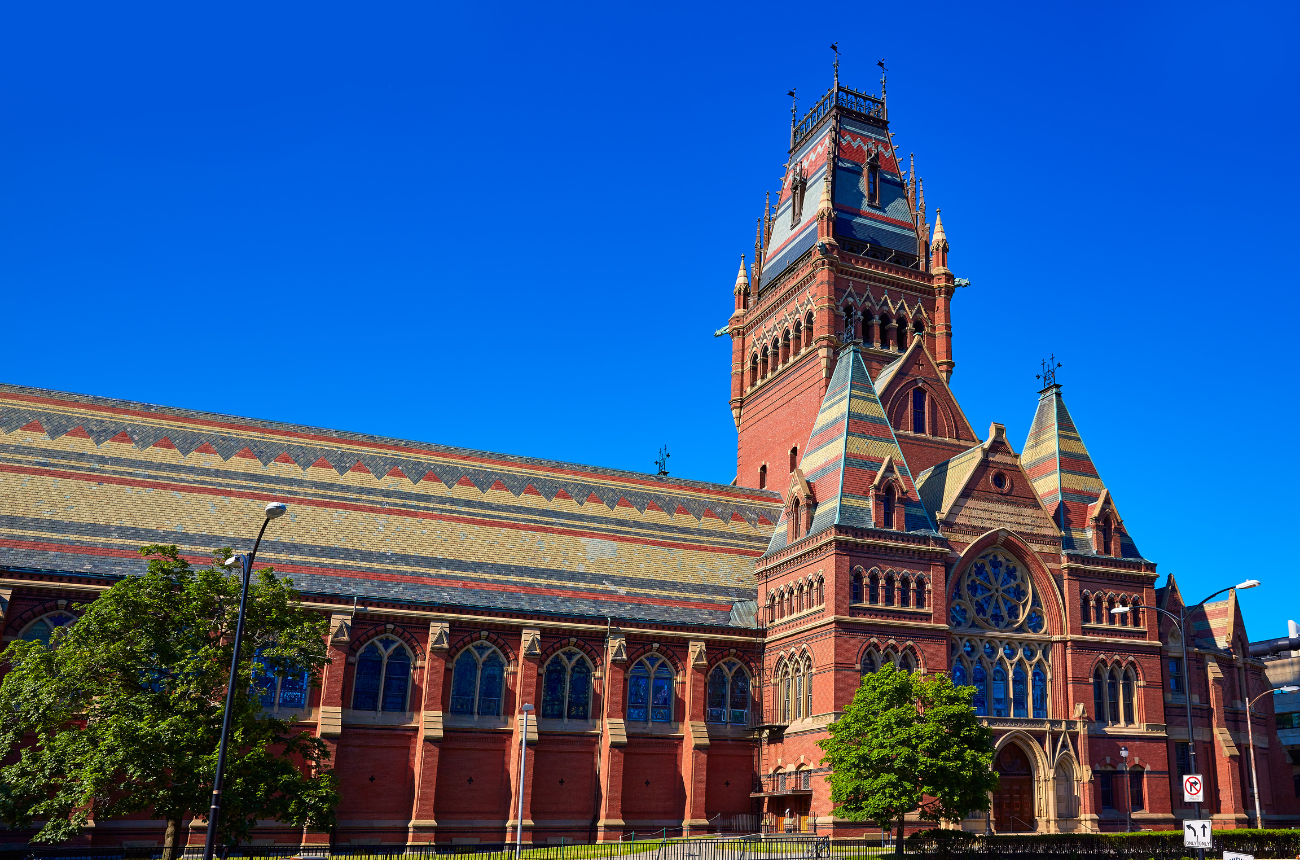
This event looks at the challenges long-term investors face in an environment of disruption including ongoing geopolitical risk and shifts in global economic dynamics. By accessing faculty of Harvard’s esteemed university, this event will leave investors empowered to tackle disruption in their portfolios and working lives.
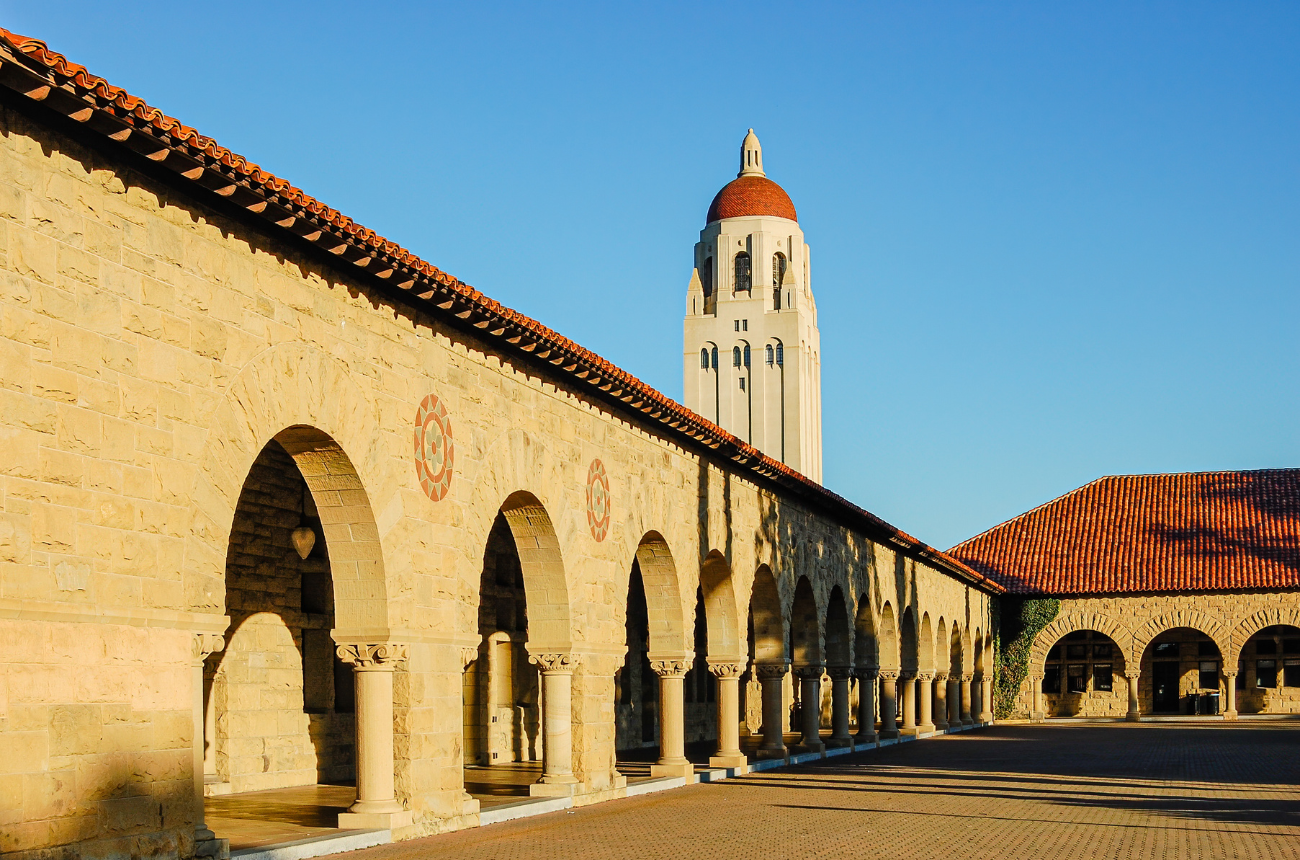
The Fiduciary Investors Symposium at Stanford University celebrates the fast-moving change taking place in economies and communities and will examine the impact of innovation on our lives, workplaces and investments.





Top1000funds.com is the market leading news and analysis site for the world’s largest institutional investors. It focuses on leading the global investment industry to continuous improvement through case studies of best practice in governance and decision making, portfolio construction and efficient portfolio management, fees and costs, and sustainable investing.
The publication pushes the industry to question whether status quo processes and behaviours to tackle risks and opportunities will be sufficient in the future, and actively campaigns for diversity, sustainability, transparency, innovation and better alignment of fees in the investment industry.
Top1000funds.com is read by investment professionals in more than 40 countries.

Featured Story