

Nick Wade from Northfield and the Curious Quant discuss the impact of COVID on risk modeling frameworks, assumptions, and how the recent movements in asset markets may or may not impact the short and long-term assumptions of asset owners.
COVID Popup Podcast: Curious Quant and Nick Wade discuss if risk models have something to say about pandemic risk.
WTW’s Urwin defends TPA value-add as attribution scrutiny intensifies
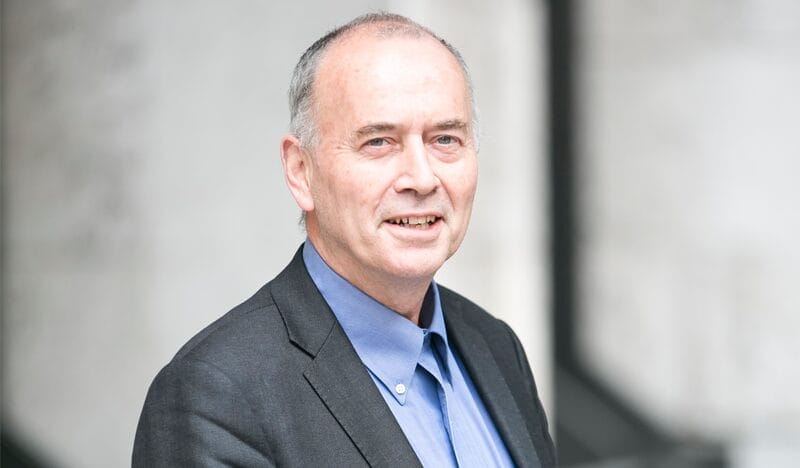
Roger Urwin, one of the industry’s most well-known proponents of TPA, has defended it against the growing scepticism of its reported performance edge over SAA, saying “TPA is a system” and any performance attribution is difficult to isolate from the broader context each fund operates in. In an interview with Top1000funds.com, he also weighs in on whether some funds are inherently unsuitable for implementing TPA.
Sort content by
AP4: Why a dynamic, shorter term allocation is paying off
Volatile markets have provided a rich hunting ground and opportunistic best ideas have come thick and fast for AP4’s new five-pronged global allocation made up of systematic equity, currency and rates, asset allocation, hedge funds/external mandates and analysis. Magdalena Högberg explains the risks and opportunities of the best ideas allocation.
Why investors must engage on the growing threat of antimicrobial resistance
Will antimicrobial resistance derail decades of medical and economic progress, or can coordinated action avert a global crisis? Anastassia Johnson, researcher at the Thinking Ahead Institute, examines the growing threat of drug-resistant infections and the role investors can play in driving sustainable solutions.
University of California: Less is more and simple is better in investing
Jagdeep Singh Bachher, the CIO who oversees the University of California's $198 billion in pension and endowment assets, says that he wants to keep investment simple as the fund removed its hedge fund allocation completely, conceding "it’s not one of the things we are good at doing".
New study flags risk in Dutch pensions’ concentrated stock strategy
Under strict ESG guidelines and pressure to closely engage with their investee companies, Dutch pension funds have developed an affinity for concentrated equity allocations with some owning as few as 65 stocks in their entire portfolio. But the Erasmus University flagged the diversification risk and higher volatility the strategy introduces.
Change management in action: CalSTRS lays out how it’s integrating AI
In a recent board meeting, CalSTRS staff outlined how they are integrating AI into the investment process in line with its commitment to be an early adopter of the technology, including writing a set of generative AI policies and guidelines, conducting a cost-benefit analysis and identifying scalable use cases.
Large language models to spark ‘sea change’ in investment analysis
Andrew Lo, finance professor at the MIT Sloan School of Management, believes large language models can bridge the gap between fundamental and quantitative investing in a way that was unfathomable five or 10 years ago, and create ‘quantamental’ investment strategies which would bring together the best of both worlds.







Leave a Comment
You must be logged in to post a comment.
Login