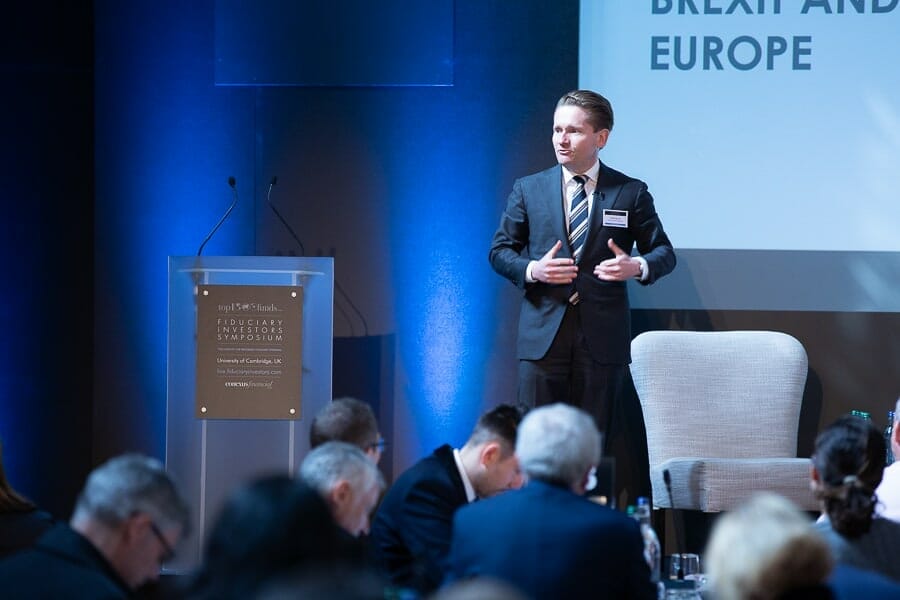
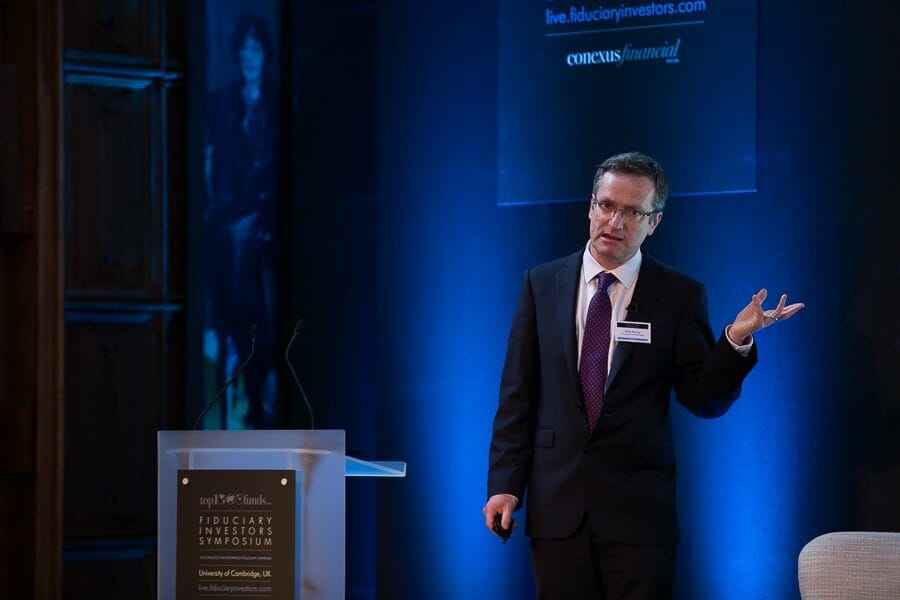
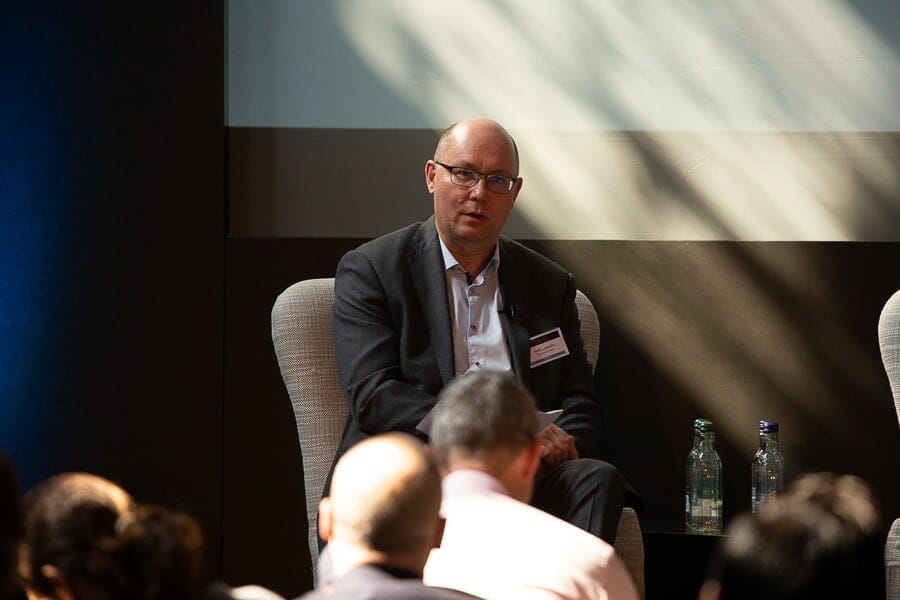
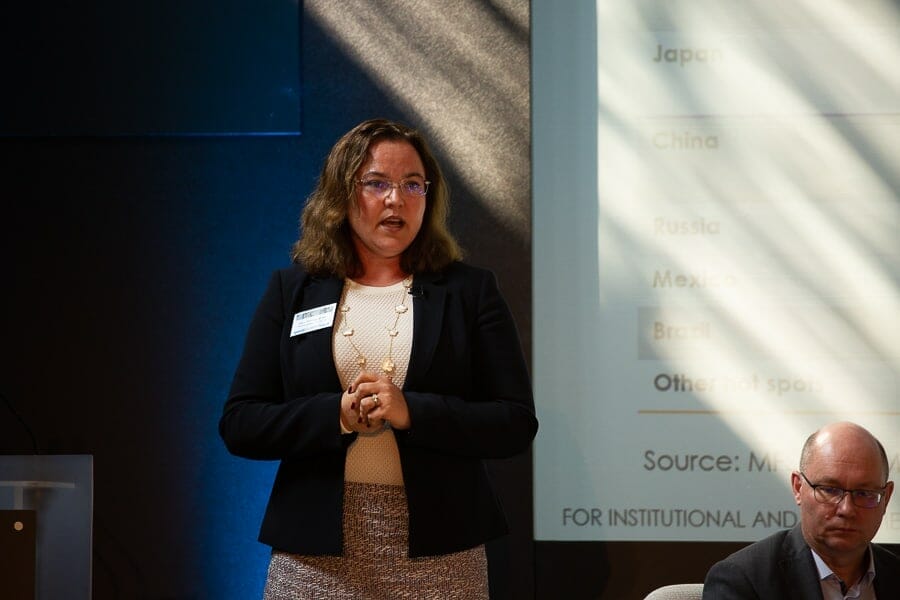
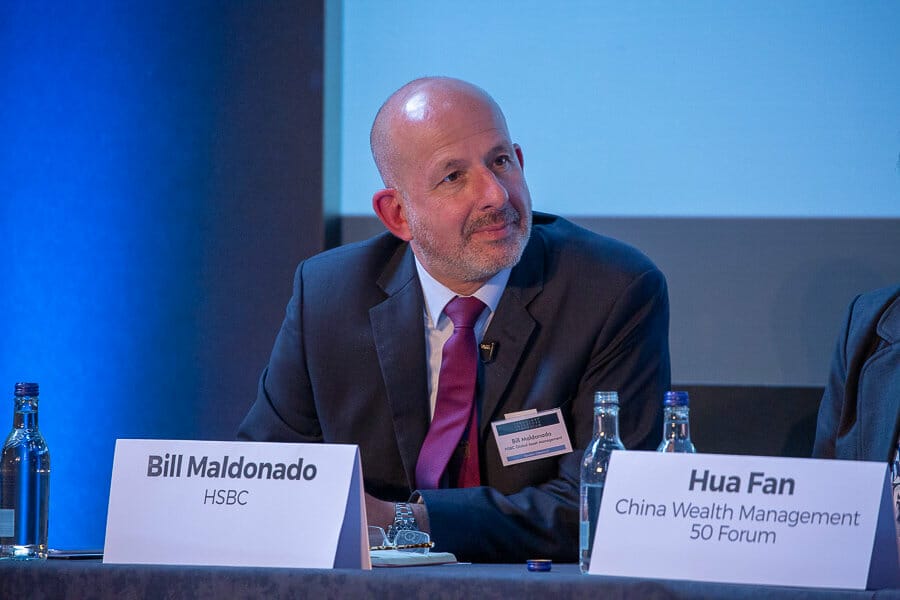
An overwhelming number of delegates at the Fiduciary Investors Symposium said the funds management industry was not doing well in innovation

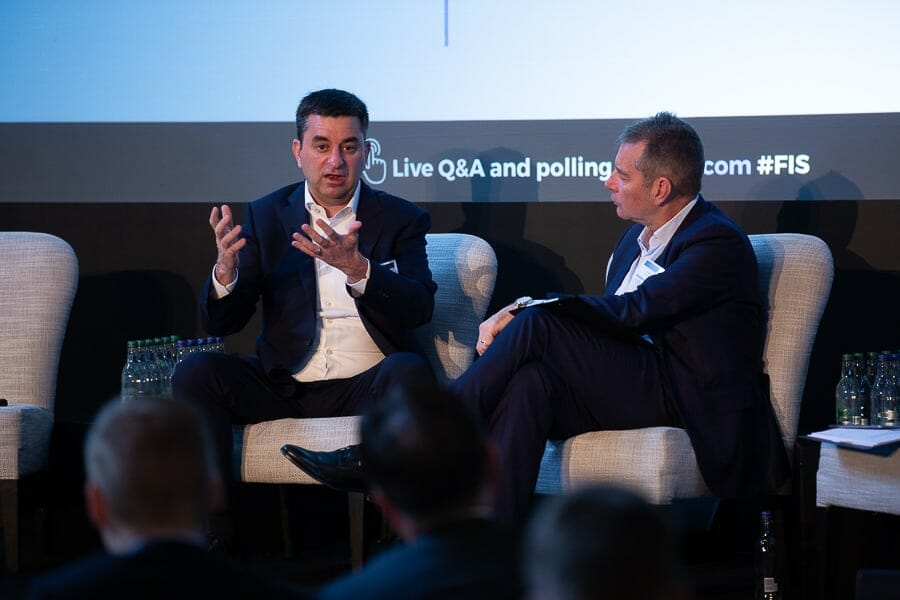
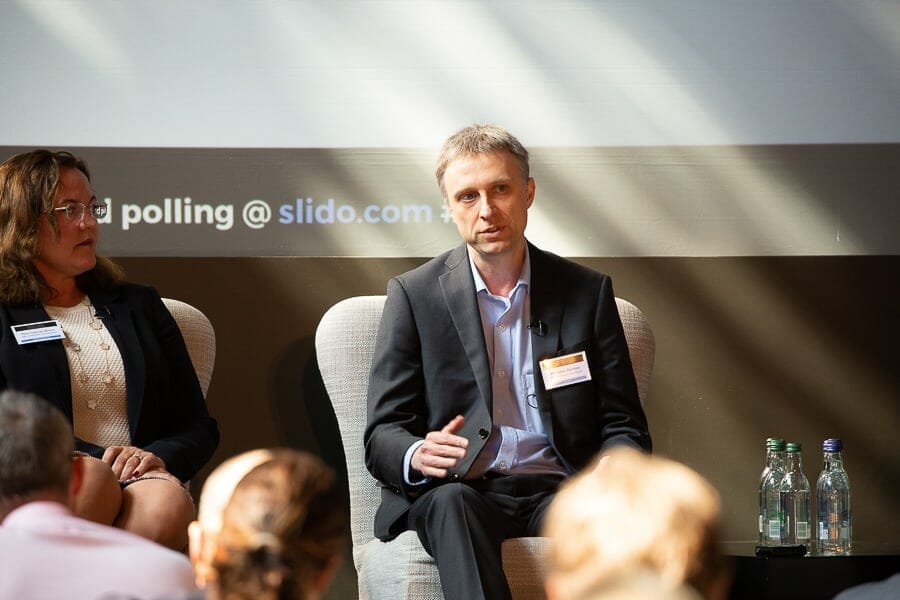
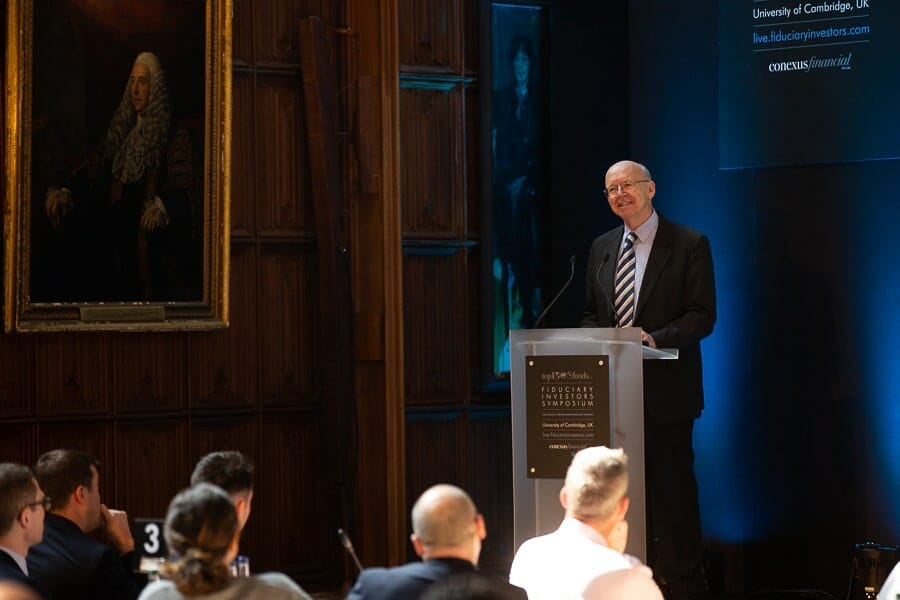
Martin Gilbert, who started Aberdeen Standard Investments in 1983 and is now chair, said industry participants needed to innovate and disrupt themselves.

Richard Williams, chief investment officer of Railpen said the fund was trying to change its culture to be more innovative.

“We think about innovation in two ways: tactical small changes; and larger strategic changes. We want the culture to change to an environment where it’s ok to be making more of those smaller changes,” he said.

Jean Michel, chief investment officer, Investment Management Corporation of Ontario an organisation that is only two years old, emphasised the importance of building strong internal teams to be able to partner with external managers that become an extension of the team.

Tactical asset allocation has added 1.2 per cent, or $4 billion, to the New Zealand Super Fund since the program’s inception, David Iverson, head of asset allocation at the fund told delegates.

NZ Super has the luxury of being able to look out over a 30 year time horizon. In a panel conversation on asset allocation, he joined Wylie Tollette, executive vice-president, client portfolio solutions at Franklin Templeton Investments who said that dynamic asset allocation can add value but is risky.

Michelle Tuveson, executive director of the centre at the Judge Business School discussed the need to broaden the view and assessment of risk.

The Cambridge centre for risk studies has developed a metric for enterprise risk called five year enterprise value at risk, which attempts to measure all the difference scenario impacts on the value of a company.

Three risk professionals – Samir Ben-Tekaya, head of risk at BCI, Mads Gosvig, vice president, portfolio construction at ATP and Arjen Pasma, chief risk officer at PGGM – gave case studies on their approach to investment and organisational risk. The emphasised the importance of risk management in pension investment organisations and the balance required in taking enough risk in a diversified way.

The panel brought together some of the topics of the morning including innovation and asset allocation with risk management.

Delegates agreed that climate change is a risk and opportunity for portfolios. In a conversation led by Nina Seega, research director, sustainable finance at the Cambridge Institute for Sustainability Leadership, CIO of the French sovereign wealth fund, Salwa Boussoukaya-Nasr and Niklas Ekvall, chief executive of AP4, showed how their funds integrate climate change into their investment decisions.

A panel of investors – Rachel Elwell, chief executive of Border to Coast Pensions Partnership, Mike Clark non-executive director of Brunel Partnership and Mario Therrien, senior vice-president, principal, strategic partnerships, Caisse de dépôt et placement du Québec – discussed how asset owners can best partner with their investment managers to capture investment expertise but also all their organisational experiences; and what managers should be asking for in return.

Investment opportunities won’t necessarily be where they have been in the past, or traditionally, so investors want to position their organisations to be able to take advantage of investment opportunities as they arise, and not be captured by having to invest into certain buckets.

The end of the day saw two delegates’ phones hacked by cyber risk experts Jaya Baloo who is chief information security officer at KPN Telecom in the Netherlands and on the faculty at the Singularity University and Eireann Leverett, senior risk researcher at the centre for risk studies at the University of Cambridge, Judge Business School. They discussed what investors should be asking investee companies with regard to cyber risk as well as their own external organisational development when it comes to cyber risk.

 

Institutional investors are navigating the different risks that can impact their portfolios in different ways, explained chief risk offers speaking at the Fiduciary Investors Symposium in Cambridge. Arjen Pasma, chief risk officer at 211 billion euro Dutch asset manager PGGM noted how risks span investment risk, counterparty risk, liquidity risk and ESG risk.
Measuring ESG risk in the manager’s large allocation to private markets where each deal is scored on ESG and climate risk is particularly important, he said.

Pasma said that an important part of PGGM’s approach to risk comes from a Risk Appetite Statement. This outlines the risk the manager is willing to accept, those risks that it has to accept and those it seeks to avoid. This statement also helps build dialogue around risk, he said. Executives don’t like talking about risk, but it’s important they do because out of this conversation comes a risk tolerance and risk capacity. It also forms the basis of a risk culture.

“Without a risk culture you can never get it right,” he said, noting that a crucial pillar here is an Incident Management Process that avoids a blame culture, but sets out to learn from mistakes when crisis hits. Compensation and staff incentives also play a crucial role in feeding into that culture.

He also noted that one of his key jobs was to “settle down executives” when shocks hit the portfolio. Executives can often spring into “action mode” when analysis and calm informs better results. Moreover, risk teams shouldn’t sit in separate corners of the officer but embed with teams in a process than enables discussion and dialogue, he said.

The 34-strong risk team at BCI Canada does not take on a policing role. Instead the risk team is viewed as a business partner and risk teams are also embedded in the asset class teams.

Liquidity risk and the ability of the fund to pay pensions and take advantage of investment opportunities in a downturn, is one of the key risks the fund navigates, said Samir Ben-Tekaya, head of risk at the C$145 billion pension manager.

An important part of this analysis is knowing how long it takes to liquidate assets and here the fund divides its allocations into liquid, highly liquid and illiquid assets.

In a lesson learnt from the financial crisis when liquidity disappeared, the fund has a liquidity ratio where it can stress test potential liquidity supply versus demand in a crisis. This takes into account benefit payments, the fund’s derivatives exposure, cash needed for rebalancing and capital calls arising from private markets.

Danish pension fund ATP invests according to three steps: it believes it needs to take enough risk to ensure a long-term, decent return; it believes it needs to invest in a diversified way which it achieves through it’s factor exposure, and it also believes in stock selection and timing, explained Mads Gosvig, vice president, portfolio construction, ATP.


Innovation is more important than ever given the uncertain and ambiguous times that lie ahead for institutional investors like climate change, political dysfunction and poor returns. “Returns can only come from an ecosystem that works and we need innovation to do this,” said Roger Urwin, global head of investment content, Willis Towers Watson speaking at the Fiduciary Investors Symposium at Cambridge University.

The combined impact of fee compression, a shift from investment in public markets to private markets and from active to passive strategies are also requiring innovation, said Martin Gilbert, chief executive, Aberdeen Standard Investments. Innovation needs to drive a new efficiency, something that the asset management industry hasn’t had to think about in the past given the sector’s 40 per cent operating margins, he said. “We do have to change our model and make ourselves more efficient.”

The asset manager has innovated with new products and fees, like its AI factor-based fund, a collaboration with Mitsubishi UFJ Trust Investment Technology Institute, and other low-cost products using smart beta. However, Gilbert noted that raising money for new funds was difficult and took time. He also said that active management, particularly in China A Shares, still has an important role.

At RPMI Railpen, investment manager for the £28 billion ($37 billion) pension fund serving the UK’s railway workers, innovation has become engrained in broader investment strategy, explained Richard Williams, chief investment officer, Railpen. The pressure to produce high returns is unabating and it is difficult to achieve stellar performances by “following the crowd.” The pension fund has hired younger, dynamic staff and is mindful that its new focus on internal management doesn’t shield it from ideas coming from the outside. “Innovation for us is about culture; culture is key,” said Williams.

Here the focus is on tactical and larger, strategic innovation. On one hand, the fund has set about encouraging tactical changes whereby individuals are rewarded and encouraged to seek change and come up with ideas. On a more strategic level, the fund is building innovation in its culture through collaboration with other investors, like Capital Constellation, a partnership with Alaska Permanent Fund and Kuwait’s Public Institution for Social Security (PIFSS) to better access private markets.

But innovation is difficult because asset owners prize trust, stability and the status quo. “If an asset owner has a star asset manager, they want to lock them in,” he said. Moreover, asset owners are already efficient organizations, something that does not nurture or encourage innovation where experimentation must be allowed to fail.

Jean Michel, chief investment officer, Investment Management Corporation of Ontario said that innovation in the future must increasingly focus on better access to private, illiquid markets. “We need to change how we access illiquidity,” he said. This process will have positives and negatives. Investors like the lack of volatility in private markets but this will change if more investment flows, and price discovery makes private markets look more like public investments. He also sounded the importance of culture in building innovation. “So many organizations have the skills and ideas to innovate, but when it comes to trying to convince stakeholders and move forward, the culture says no,” he said.

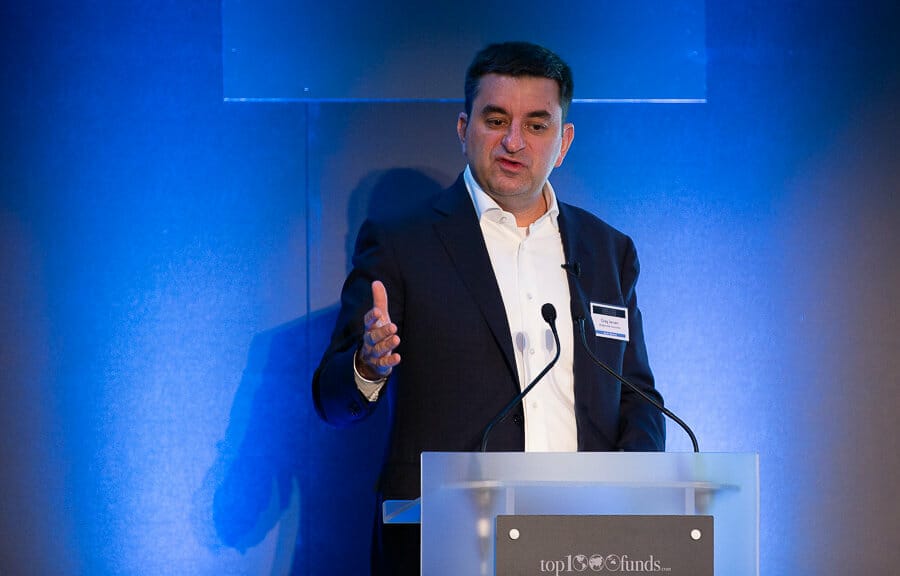
It is more important than ever for investors to stress test their portfolios Greg Jensen, co-CIO of Bridgewater Associates told delegates at the Fiduciary Investors Symposium at Cambridge University.

He said the next 30 years will be very different to the past 30 years, and investors needed to ensure their portfolios had environmental diversification for the range of possibilities.

Jensen emphasised that geographical diversification could also be critical but an audience poll showed two thirds of delegates were not allocated to Asia consistent with the global importance of those markets.

Professor Martin Daunton, emeritus professor of economic history and emeritus master and honorary fellow of Trinity Hall at the University of Cambridge warned delegates that a failure to deal with the redistributive consequences of hyper-globalisation can have serious social and political costs as before 1914.

He said the agenda needs to shift from neoliberalism to progressive era policies.

As an example he pointed to Piketty’s manifesto to save Europe from ‘hardcore liberalism’ by creating a ‘new model to ensure the fair and lasting social development of its citizens’ by showing that Europe could restore solidarity between citizens ‘by making those who have gained from globalisation contribute to the financing of public-sector good.

“That will mean making large firms contribute more than small and medium businesses, and the richest taxpayers paying more than poorer taxpayers’,” he said.

Professor Mike Kenny, professor of public policy at the University of Cambridge talked about Brexit as a protracted political crisis in the UK, saying there will be some political instability for several years.

He said the resilience of the UK economy’s fundamentals would be an important consideration and the harder the Brexit the bigger the impact on GDP. Overall as a result of Brexit the EU will have lower GDP that the US.

Pilar Gomez-Bravo, director of fixed income for Europe at MFS Investment Management said the question around interest rates and inflation are the big questions when it comes to Brexit.

“An election is the big threat to markets. If Brexit goes as planned Carney will increase interest rates. And as soon as there is an election it will impact currency and gilts,” she said.

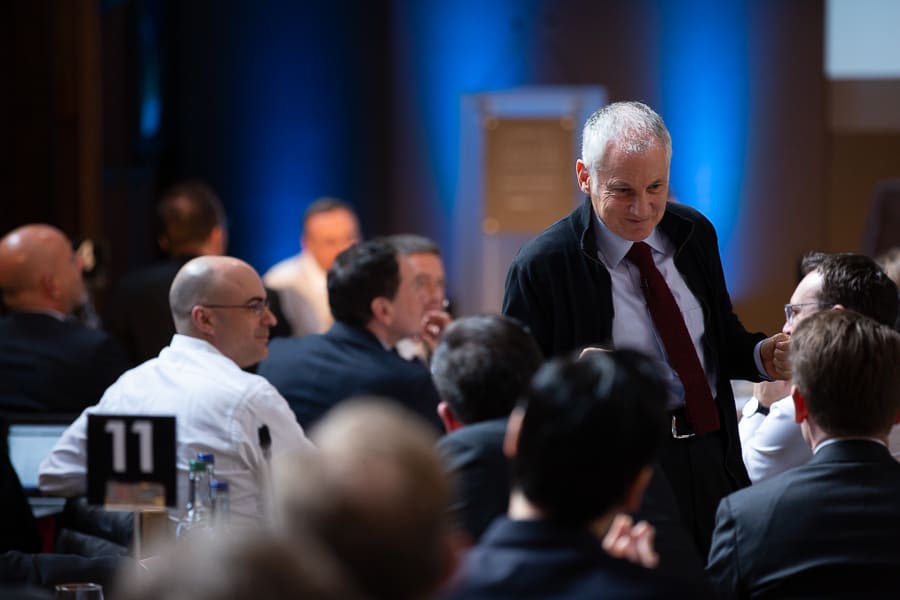
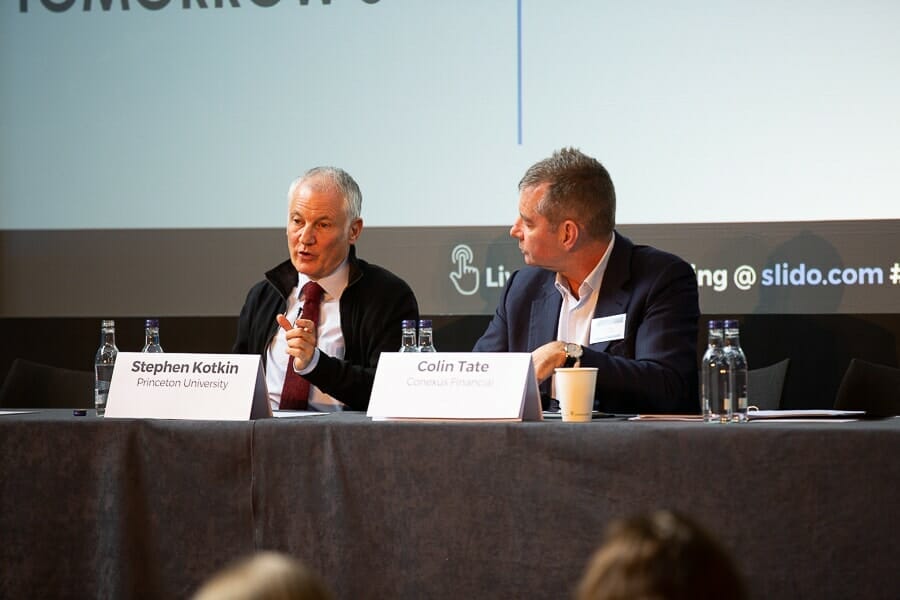
But there is nothing happening in Brexit that is significant in the context of Britain’s relationship with Europe according to Stephen Kotkin, Professor of History and International Affairs at Princeton University. Kotkin talked about turning points in the past including the late 1970s where Reagan, Thatcher and the free market revolution reigned, there was the political Islamism rising and it marked the beginning of the reform era in China. He said “we are currently experiencing a global turning point but we don’t know where because we’ve never been able to know it in real time”.

He advised that investment strategy should be centred around serving the China middle class and the dislocation from within Asia.

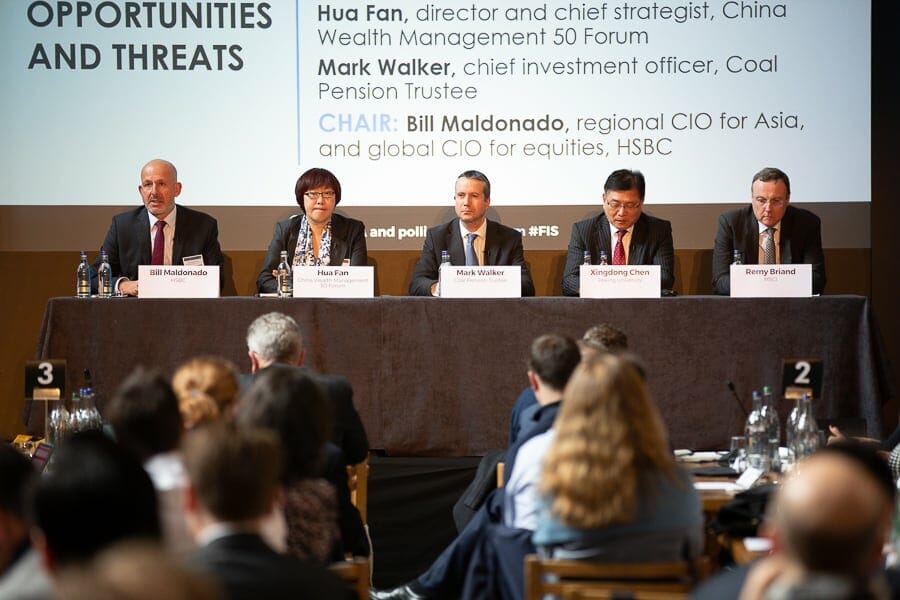
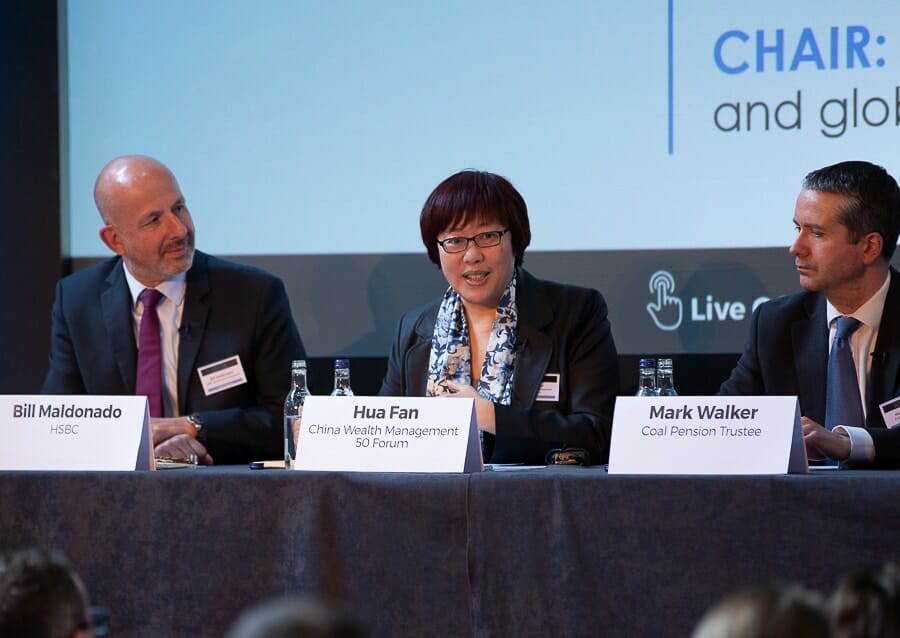
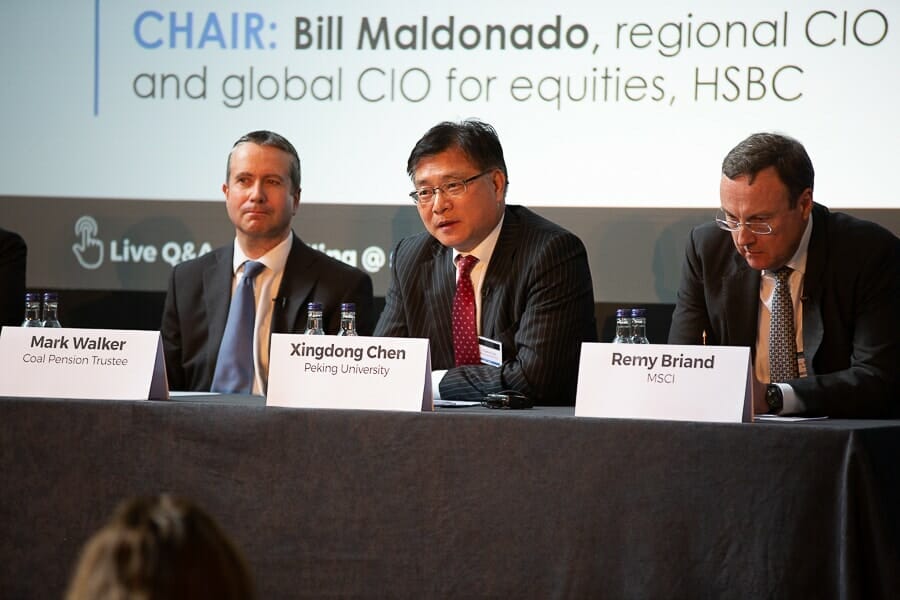
In a panel on China, former head of asset allocation at CIC, Hua Fan, who is now director of China Wealth Management 50 Forum said it’s often joked that China has the worst beta in the world, but the best alpha, evidenced by the National Social Security Fund has performance of 15 per cent a year.

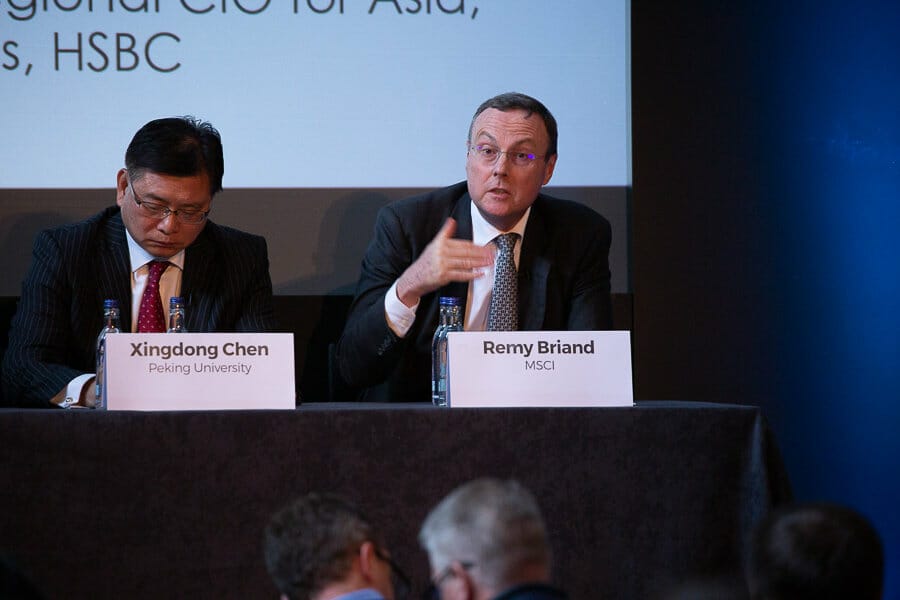
China’s inclusion in MSCI indexes is moving from 5 to 20 per cent soon, and Remy Briand, chair of index policy committee at MSCI, who has been involved with market classification for 15 years, said the inclusion was an indication of a willingness of reform.

“The market is huge and a lot of people have not realised that. It is as big and deep as the US market,” he said. Ultimately China could represent 45 per cent of emerging markets.

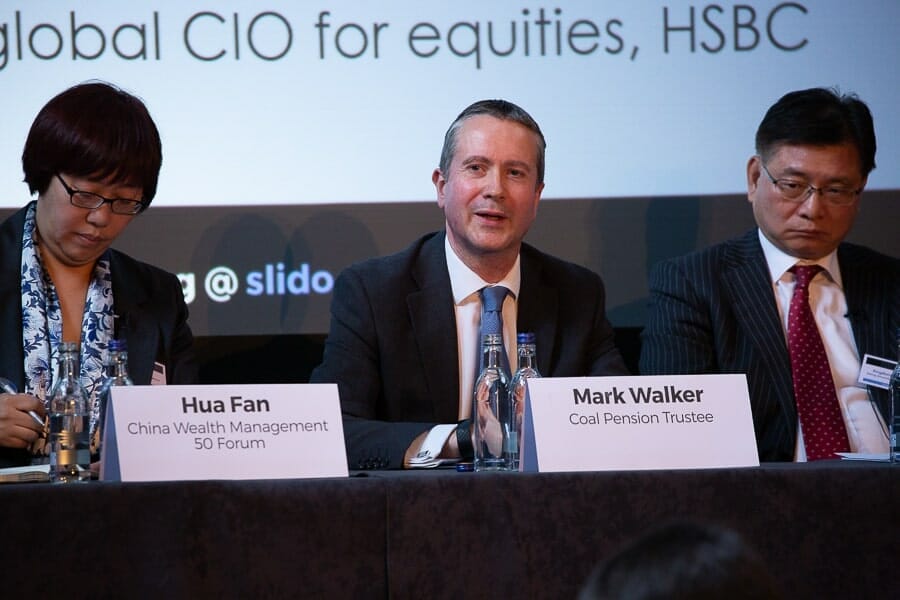
Investors spend too much time talking about investing in China the country and not enough time talking about Chinese investments according to Mark Walker, chief investment officer at Coal Pension which is about to invest in onshore Chinese investments for the first time.

The closing session of the day turned delegates attention to the problems and opportunities of an ageing population, a topic that will also be addressed at the next Fiduciary Investors Symposium to be held at Harvard University in October.

George Leeson, director of the Oxford Institute of Population Ageing at the University of Oxford said the ageing population will impact every aspect of our lives, and yet all the infrastructure is built for a young population.

The panel which also included Benjamin Davis, chief executive of Octopus Healthcare and Nigel Sibley, chief executive of Lifecare Residences discussed how ageing is no longer about frailty but about health and contributing to society and how infrastructure of the future needs to contribute to that.

This is potentially a huge opportunity for investors.

Brexit holds profound implications for European pension funds, said Matti Leppälä, secretary-general and chief executive, PensionsEurope speaking at the Fiduciary Investors Symposium in Cambridge. One consequence is a shake-up in the asset management industry they rely on if a No Deal leads to UK service providers losing their passporting rights, the complex system that currently allows them to offer services across the EU. It depends on equivalence, but Leppälä noted that EU will look after member states over UK service providers and that “equivalence can be withdrawn at any moment.” Similarly, pension funds rely on London-based clearing services for their derivative exposure and access to hedging strategies. “This is continuing for the time being” he said, with a note of caution.

He said that UK pension funds are relieved at the prospect of being outside EU solvency regulations. These strict rules on capital requirements would have demanded huge amounts of capital flow into pension funds to improve their funded status. “In this respect they favour being outside the EU,” he said. However, this is balanced by negatives, like the impact on UK funds’ UK assets if the economy takes a dive. This is a worry compounded by the slow growth and contribution level into the UK’s DC pension schemes, raising the prospect of poor pension provision for future generations.

Of course, Brexit offers opportunities for investors too. Volatility is good for alpha and active strategies, said Nick Stanton, head of multi-asset strategy at the State of Wisconsin Investment Board. However, he noted that investment opportunity is difficult to see in the current turmoil; opportunities are more likely to appear in the aftermath, like a hard Brexit leading to the pension fund buying the pound or picking up undervalued UK equities.

SWIB has also found a rich seam by stepping in to provide liquidity in times of crisis, something investment banks rarely do anymore. Stanton said that this strategy requires acting quickly, which is best done by delegating decision making to investment staff. “This is where pension funds should concentrate now. They need to get the resources in place to act quickly,” he said. Getting in position to strike could include positioning to sell volatility when volatility spikes and looking to hire global macro managers. The pension fund’s asset allocation is set by the board, but the investment team are allowed a generous tracking error, he said. If they require more flexibility here to take advantage of a “large event” it requires board permission. He also noted that Brexit is taking a toll on UK company values as they stall on investment decisions. There is a lot of commentary about UK companies pulling back; this isn’t good for long term returns, he said.

Fixed income investors hunting for yield in the low rate environment and Brexit uncertainty are exploring a number of strategies, said Pilar Gomez-Bravo, director of fixed income, Europe, MFS Investment Management. Noting that Brexit is “a process” she said investors have time to manage and hedge their exposure in the event of a No Deal. “It’s great to seek alpha, but you also need to protect the downside,” she said. She suggested investors start to think about tail risk hedging through credit options because volatility is still low. “Avoid being stuck with no liquidity; if volatility is subdued, think about tail risk hedges.” The damage to the UK economy in the event of a harsh Brexit will have implications for Gilts, but other strategies also hold challenges.

Many pension funds are investing further out on the credit quality spectrum, switching to exposures in emerging market sovereign debt. The challenge here is that these strategies have a high correlation to equity, she said. Private debt is another popular strategy for its illiquidity premium. “We will have to wait to see what these portfolios do,” she said.