Mercer has quantified a ‘low-carbon transition’ premium in the sequel to its seminal climate change report, showing that a 2⁰C scenario equates to 11 basis points per annum to 2030 in a typical growth portfolio.
Further, investors with the same asset allocation but greater exposure to sustainability and the companies delivering the transition solutions, could expect to earn an additional 29 basis points per annum over the next 12 years if a 2°C scenario trajectory eventuates.
Quantifying alpha connected to particular climate change scenarios is fuel for investors to step up their efforts to protect their portfolios against climate change.
In Mercer’s new report, Investing in a Time of Climate Change —The Sequel, it analyses the potential impact of climate change on asset returns based on scenarios where global temperatures rose between 2⁰C and 4⁰C above pre-industrial levels by 2050.
The Sequel updates the ground-breaking 2015 report to take account of two global agreements: The Paris Climate Change Agreement and the UN Sustainable Development Goals.
The latest report concludes that for nearly all asset classes, regions and timeframes, a 2⁰C scenario leads to enhanced projected returns versus 3⁰C or 4⁰C and therefore a better outcome for investors.
While incumbent industries can suffer losses in a 2⁰C scenario, Mercer identifies many notable investment opportunities enabled in a low carbon transition.
Helga Birgden, the global leader of Mercer’s responsible investment team says the difference between the two reports is that the 2019 version models out to 2100.
She points out the updated modelling takes a much more positive view on the transition away from fossil fuels to a low-carbon economy.
“Most [pension fund] investors which have a growth asset allocation can expect 11 basis points per annum of additional returns to 2030 in a 2°C scenario and additional 29 basis points annually over the next 12 years,” adds Birgden.
“By 2050, climate change is a drag on returns in all scenarios.”

Sudden surprise

A new feature of the Mercer model is the ability to “stress test” the impact of sudden changes in scenario probabilities, and market valuations in the short term or shifts in the magnitude of physical damages in the long term.

But, from where Birgden sits, return impacts are unlikely to be neat and annualised. They are more likely to manifest as a sudden surprise.
In reality, she goes on to say, sudden changes impacts are more likely than neat, annual averages, so stress testing is an important tool in preparing for this eventuality.
“Stress testing portfolios for changes in view on scenario probability, market awareness and physical damage impacts can help investors to consider how longer-term return impacts that may appear small on an annual basis could emerge as more-meaningful shorter-term market repricing events.
“We see this occurring in markets all of the time. For example, it may be that there is a repricing event in insurance because of a hurricane or cyclone which according to our modelling will impact investor portfolios even within a year.
“Our stress testing model goes towards answering what it means now and what it will drive in terms of value loss and opportunity over the life of members, consumer’s savings,” she says.
Testing an increased probability of a 2°C scenario or a 4°C scenario with greater market awareness, even for the modelled diversified portfolios, results in a return impact of between +3 per cent and -3 per cent in less than a year, according to Mercer.
Mercer warns that returns across most asset classes will be affected by climate change.
However, at an aggregate level, the consultant expects developed market equities to be much less negatively impacted by the low-carbon transition than initially forecast but that interest-rate falls will see bond prices and returns rise.
“That said, on a relative basis, sustainability-themed equity is expected to benefit even further from a low-carbon transition, and emerging market equities are still expected to benefit from additional climate-finance support from developed countries,” the report notes.

Returns rise for renewables

The report underlines the negative sensitivity of real estate, infrastructure, agriculture and timberland to the impact of physical damages and resource availability.
Infrastructure on the other hand has a high positive exposure to transition risk due to a higher allocation to renewable assets in most portfolios, the report says.
While the consultant does not expect sovereign bonds to be sensitive to the climate change risk factors at an aggregate level, Mercer has identified Australia and New Zealand sovereigns as being sensitive to the impact of physical damages and resource scarce.
Unsurprisingly, the report shows that fossil fuel industries and on the flip side renewable energy are most sensitive.
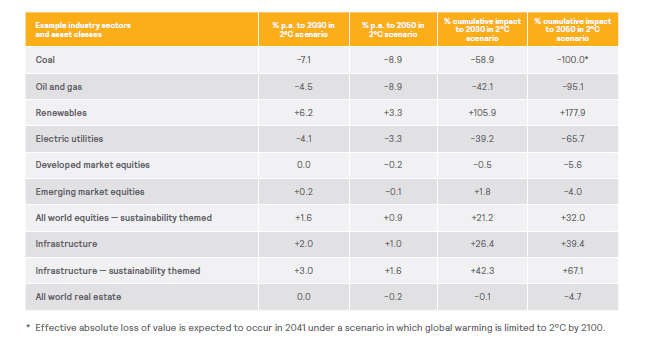
The consultancy confirms that returns for cumulative renewables are forecast to rise by a stunning 105 per cent even as returns for coal will be down -60 per cent by 2030 in a 2⁰C scenario with oil and gas falling -42 per cent.
Incidentally, the positive impact on infrastructure at almost 23 per cent and sustainable equity at more than 5 per cent.
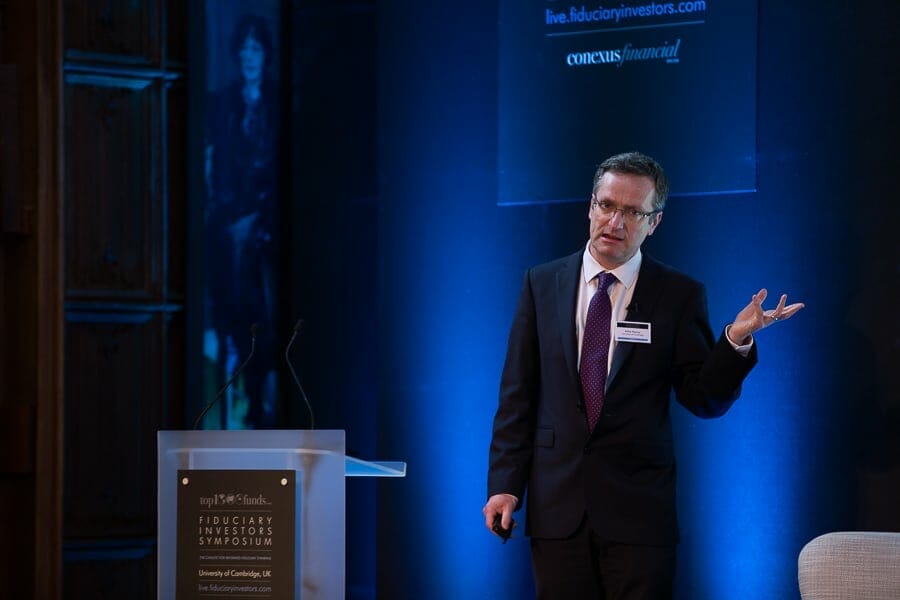
Listen to the full talk on Geopolitics, Brexit and Europe by Mike Kenny, professor of public policy at the University of Cambridge, hosted by  Niall Quinn who is global head of institutional business at Pictet Asset Management.
There is no certainty to how the United Kingdom’s Brexit drama will play out and the country faces a perfect storm, said Professor Mike Kenny, professor of public policy, University of Cambridge speaking at the Fiduciary Investors Symposium. The latest development, whereby the Labour party has entered the negotiations, has complicated the process even further and created more instability in the Conservative party. “Even if there is a compromise deal, could the leaderships carry their parliamentary parties through it?” he questioned, warning that a ‘No Deal’ could happen on 12th April, the next “cliff edge.”

Kenny noted that the EU holds more cards in the negotiating process. If the EU grants a long extension, it could involve the UK commiting to a general election or another referendum. If the EU refuses an extension and Prime Minster Theresa May fails again to get her Withdrawal Agreement through Parliament, the country could face a “binary choice” between revocation or cancelling Brexit, and ‘No Deal.’

Kenny also noted how Brexit has become the most salient point of political identity in the UK. “It’s what people care about most,” he said. A general election raises the prospect of a radical left-wing government under Jeremy Corbyn. Brexit is also straining the UK’s own internal relationships, he said. The sight of “meltdown in London” is fuelling Scottish independence, and a general election could lead to a hung parliament that combines a Labour coalition with the Scottish Nationalist Party, the SNP. Brexit also threatens Britain’s relationship with Northern Ireland, with the prospect of a ‘No Deal’ and the ensuing hard boarder, bringing the boarder issue between Northern Ireland and the Republic of Ireland “alive,” and putting the Good Friday agreement in jeopardy. “The possibility of nationalist backlash against no deal is very real,” he said.

The UK’s international standing has been affected by Brexit, he said, noting that Britain’s soft power has been diminished. Political turmoil in the years ahead suggests instability will continue with an impact on the economy. No Deal without an agreement is likely to lead to a drop in GDP and slow recovery. “The harder the Brexit the more likely the impact on GDP,” he said. Moreover, high levels of employment, one of the UK economy’s strengths, could reverse.

Brexit also has implications for the EU 27. The German and Dutch economies are likely to be most affected, he said. The EU will also lose the important influence of the UK, like the role it has played liberalising markets and pushing for stricter rules to counter climate change. The EU will also lose the UK’s active role around security and intelligence.

Brexit also poses a challenge for many European countries. They are pushing for more integration while simultaneously trying to navigate the growing sense amongst their voting populations that Europe equates to a loss of sovereignty. “The EU is wrestling with how to balance these conflicting themes,” he said.

The benefits could be felt in economies like Poland, keen to see its skilled workforce return. If UK businesses relocate to Europe, the EU also stands to gain. However, he is not convinced that Brexit will lead to other countries pulling out of the EU. The UK has always been a reluctant partner, he notes.

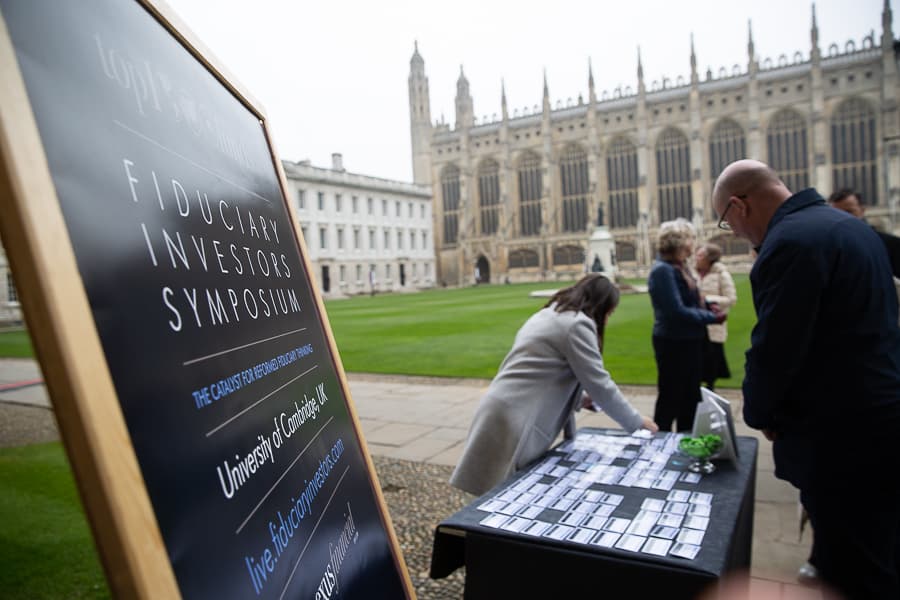
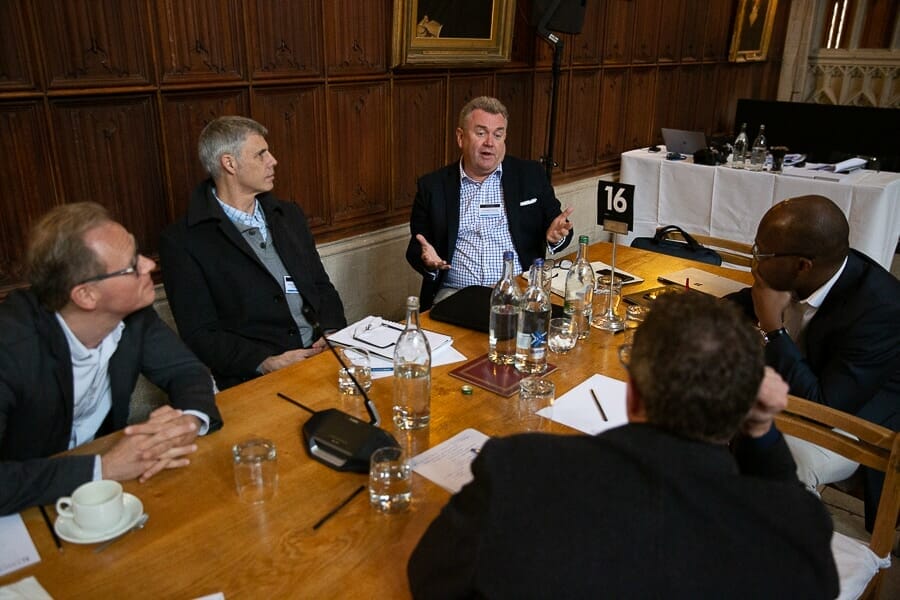
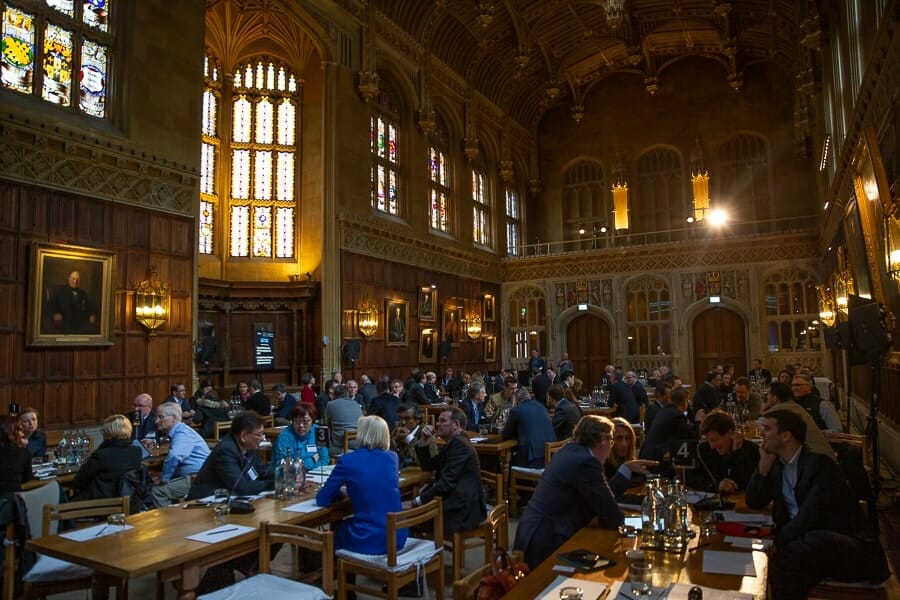
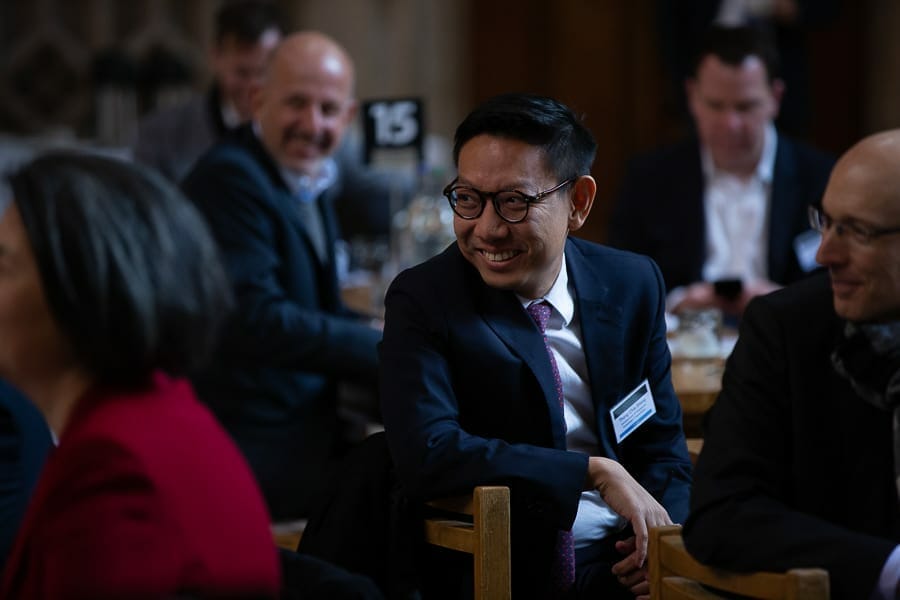
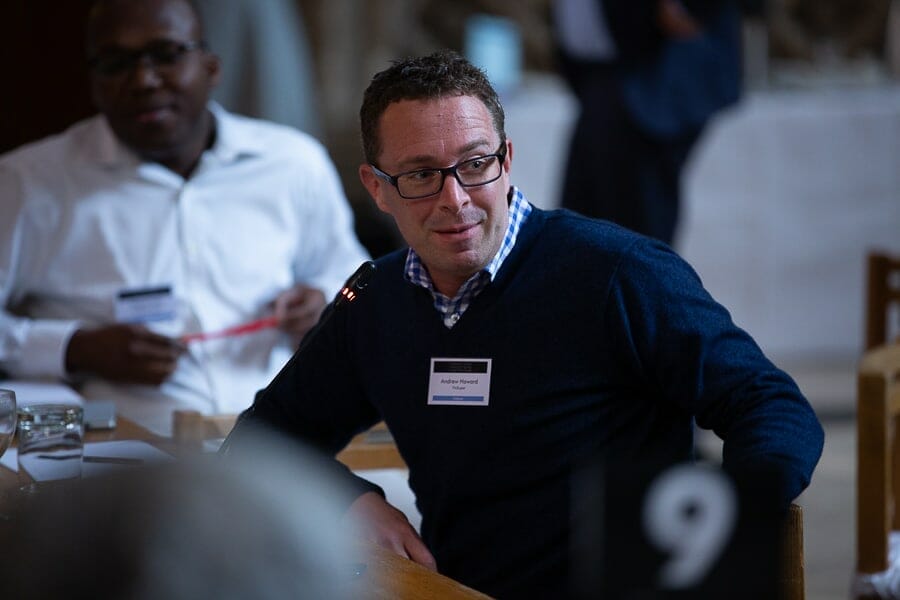
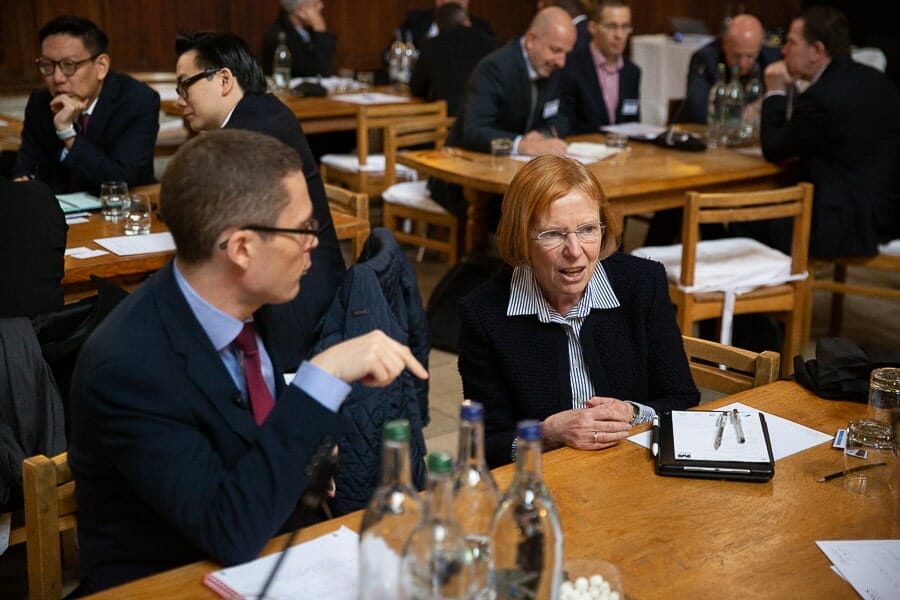
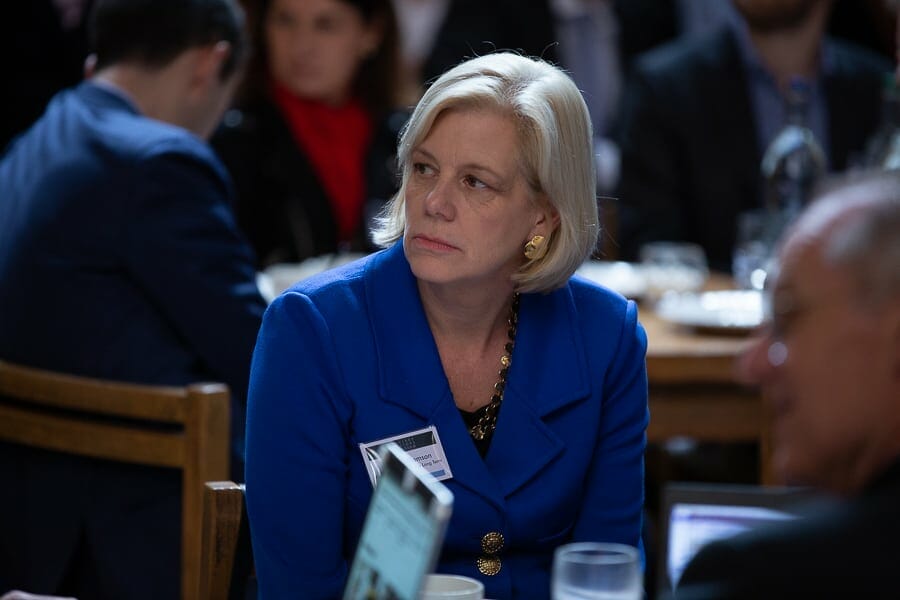
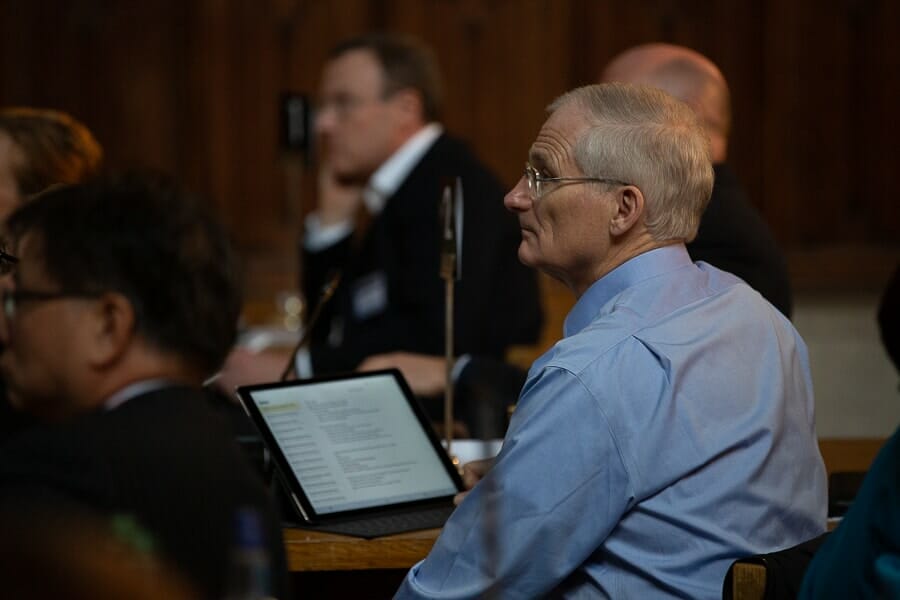
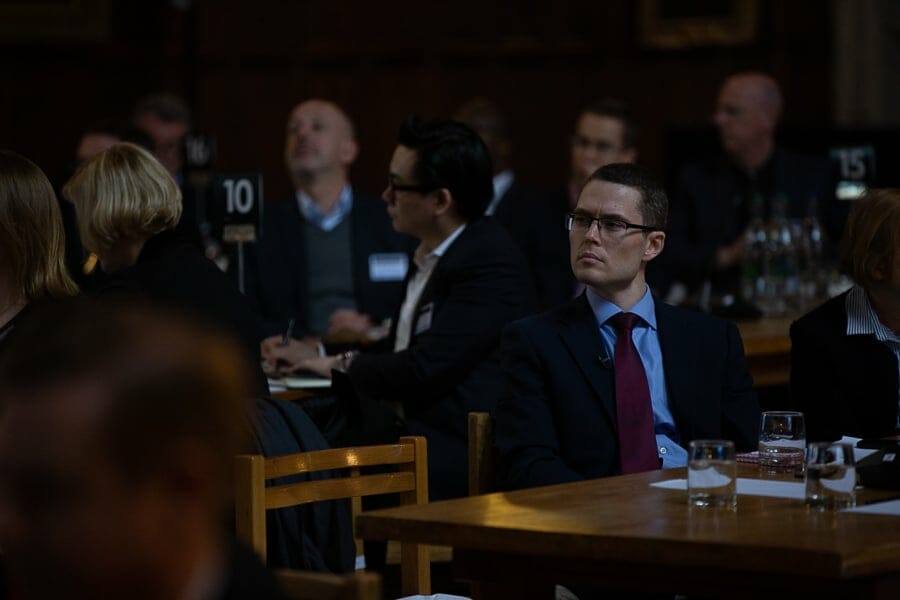
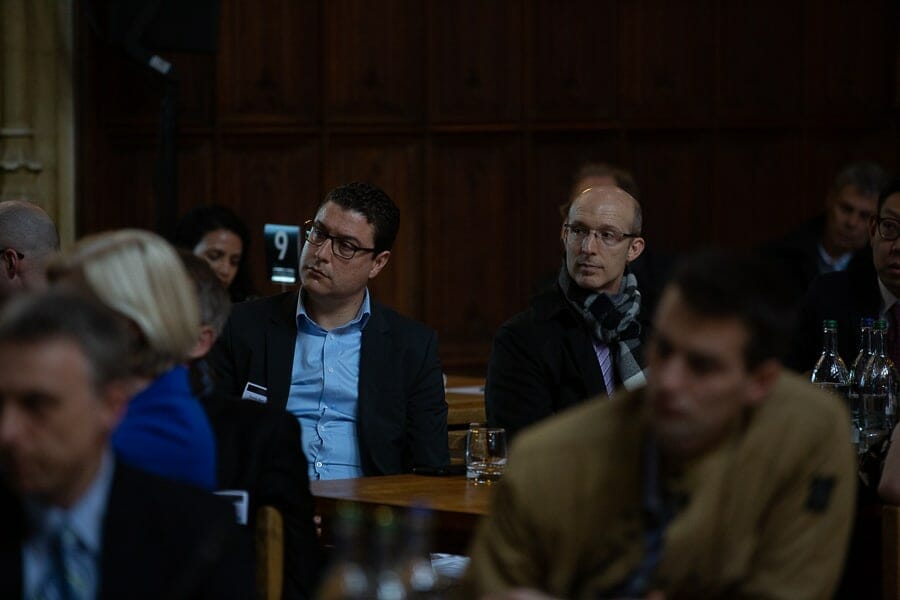
The 13th Fiduciary Investors Symposium at Cambridge University brought together more than 70 asset owners from 15 countries to discuss investment opportunities and risk. With a focus on geopolitical and portfolio risk the event saw discussion on the first day centre around asset owners responsibility to engage with policymakers, the integration of ESG and the sustainable development goals as well as barriers to long term investing.

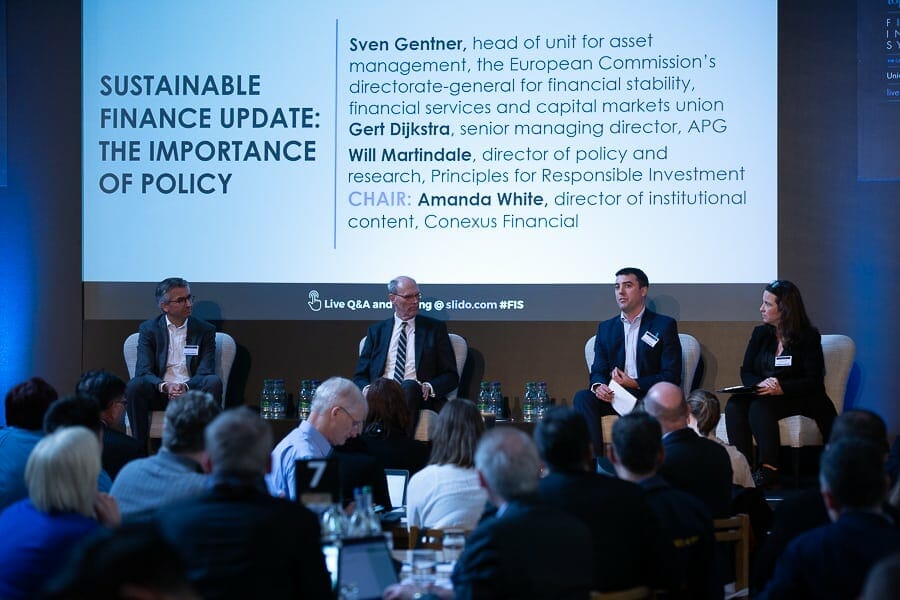
At the Cambridge event Sven Gentner, head of unit for asset management at the European Commission’s directorate-general for financial stability, financial services and capital markets union discussed the European Parliament’s regulation which was passed in March requiring financial market participants to disclosure requirements around sustainability for the first time.

He said the expert groups which included industry participants had contributed to focusing on the goals set for 2030, and the fundamental belief is that increased information visibility will help redirect investment to where it is needed.

Joining the panel discussion Will Martindale, director of policy and research at the Principles for Responsible Investment encouraged investors of all sizes to get involved with policy development.
Delegates discussed the best way to engage with policy makers and exert their influence and ideas, with panellist Gert Dijkstra, senior managing director of APG Asset Management demonstrating the experience of APG in liaising with policy makers around climate change and carbon pricing in many jurisdictions. APG has set targets to reduce its carbon footprint by 25 per cent by 2020 and double sustainable investments to €58 billion.

Gentner emphasised the importance of the EC getting input from the industry in shaping policy, pointing out the final report from the High-Level Expert Group was very close to the final regulation.

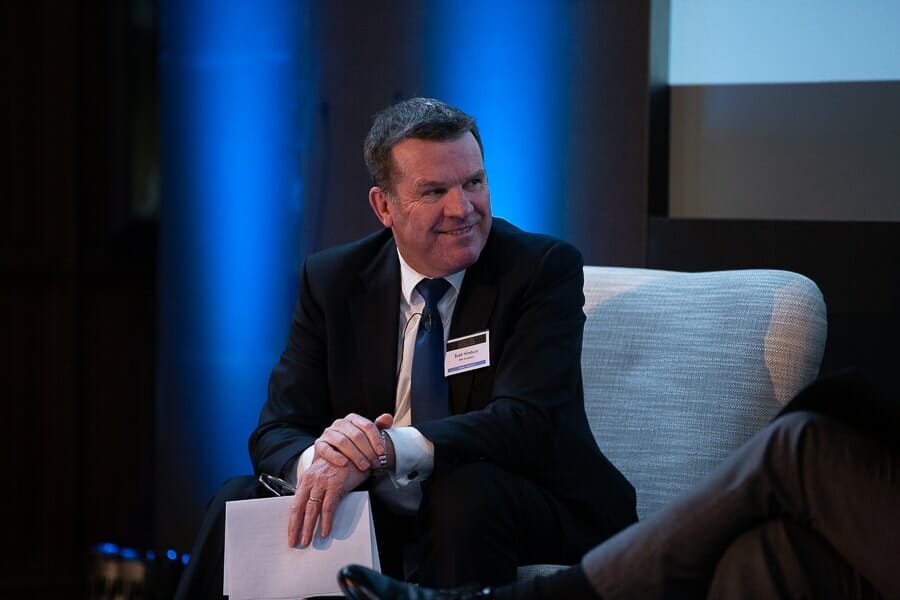
Brett Himbury, chief executive of IFM Investors revealed how an asset manager defines its behaviours and processes as responsible.

Himbury said a sustainable organisation is crystal clear on its purpose and its culture, processes and people align to that.
“Be authentic and don’t stand for anything that is inconsistent with that,” he said.
He said asset managers need to think about their investors and societies and how to rebuild public trust.

“The world needs growth and is limited in how to drive it, pension funds have a real challenge in seeking out returns, and the world mistrusts institutions,” he said. “If you put those three things together you get a situation where would like to invest in the real economy but the public is sceptical as to our real motives. There is a significant risk if we don’t do something about it.”

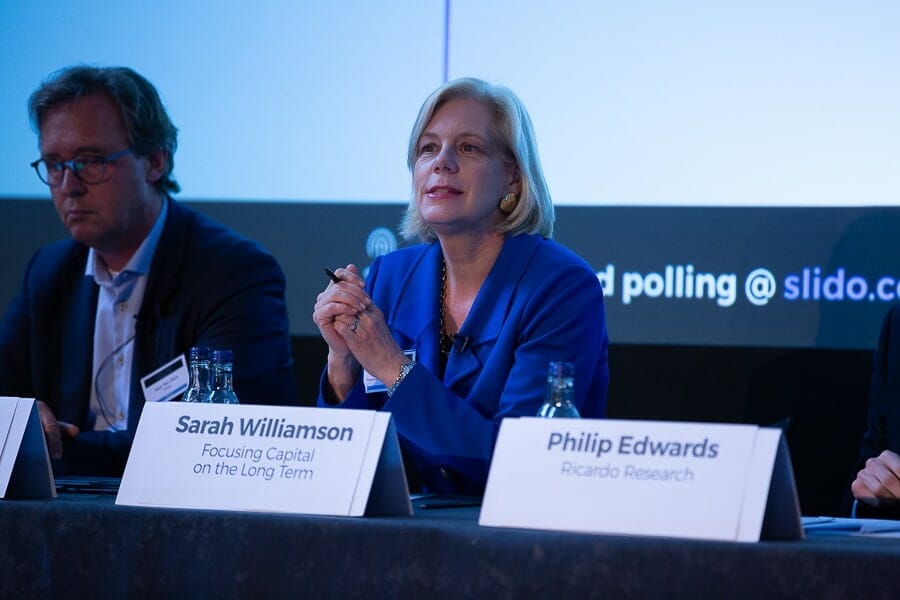
In an interactive panel on long term investing Philip Edwards, chief executive of new consulting firm, Ricardo Research laid out key areas for investors to consider in determining the obstacles to long term investing. In particular he focused on reducing exposure to explicit price chasing strategies such as momentum and trend following.

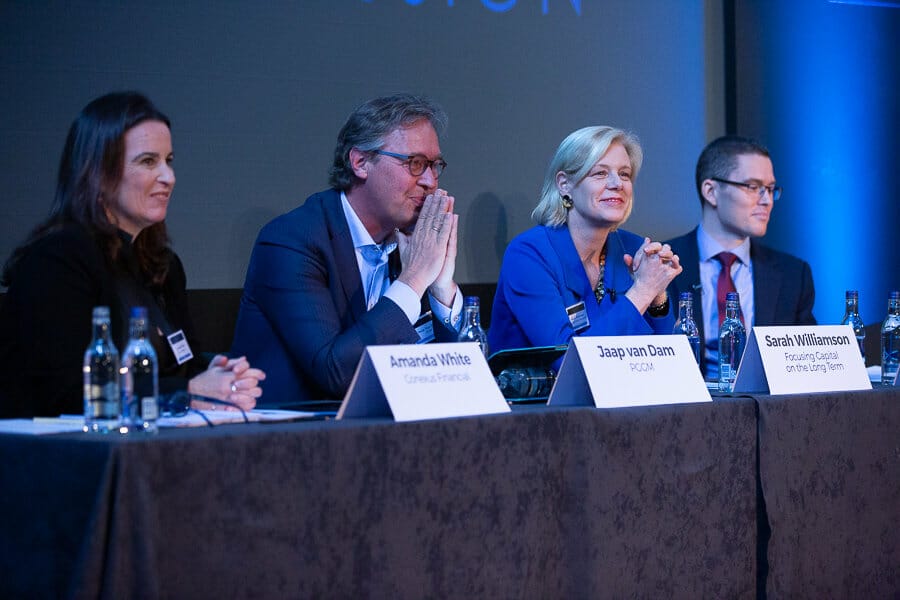
Both Jaap van Dam, principal director of investment strategy at PGGM and Sarah Williamson, chief executive of Focusing Capital on the Long Term gave delegates some practical tips for investors to move towards acting long term. These include reframing some ideas around risk and performance measurement, for example reporting long term returns, for example 10 years, first; and them five, three and one year returns.

Williamson discussed the challenges of investors which are managing risks across multiple time horizons, and suggested some tips for doing so.

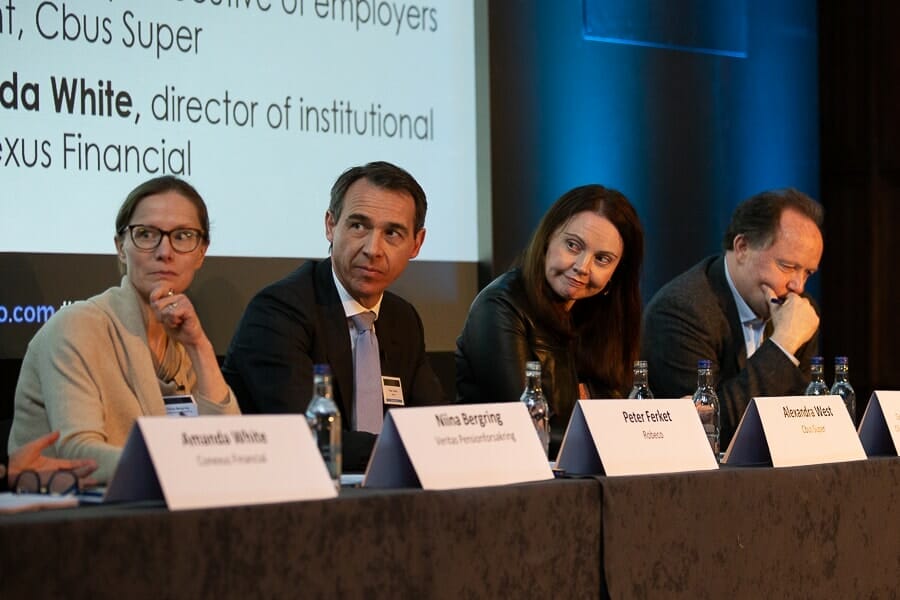
To close the first day, an interactive session on implementing the sustainable development goals saw a large asset manager, two asset owners and an academic on a panel discussing the virtues and barriers to implementation.

Nick Robins, professor in practice for sustainable finance, Grantham Research Institute on Climate Change and the Environment believes the real value of the SDGs comes from viewing them as a whole, not individually. But acknowledged the difficulty in doing so.

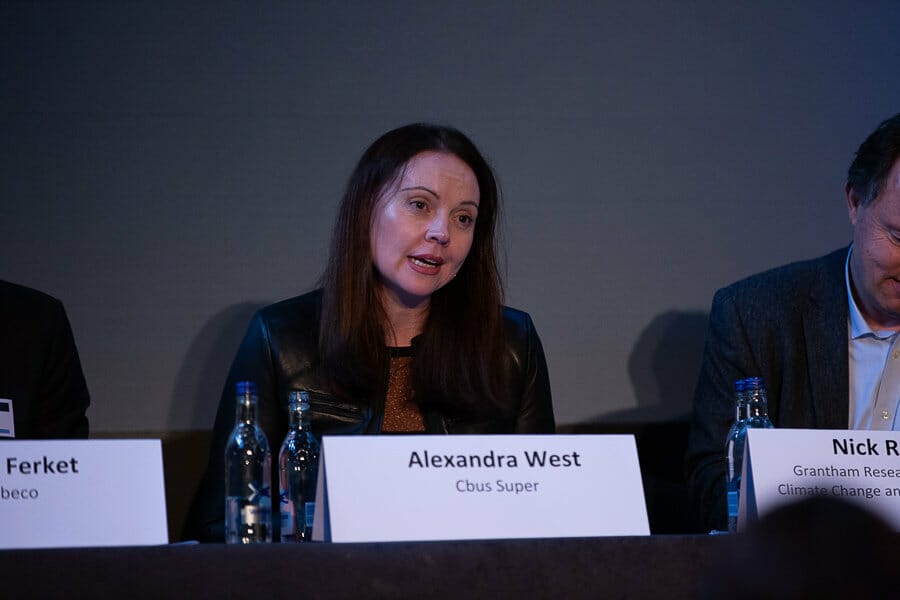
The A$50 billion Cbus is one of the more innovative funds globally when it comes to implementing SDGs in it investments, and the group executive of employers and investment at the fund, Alexandra West, described the journey to mapping investments according to the SDGs, and then integrating them into investments.

Peter Ferket, head of investments and board member of Robeco one of the largest funds in Europe and one of the leaders in ESG integration, said embedding SDGs remained a challenge and there was a large gap between the larger funds and “the rest”.

Niina Bergring who is chief investment officer of Veritas Pensionforsakring said smaller investors could have an impact by influencing the way their managers worked.

Held at King’s College, Cambridge where John Maynard Keynes was the endowment CIO in the 1930s, delegates were reminded of a quote by Keynes: “The market can stay irrational longer than you can stay solvent”.

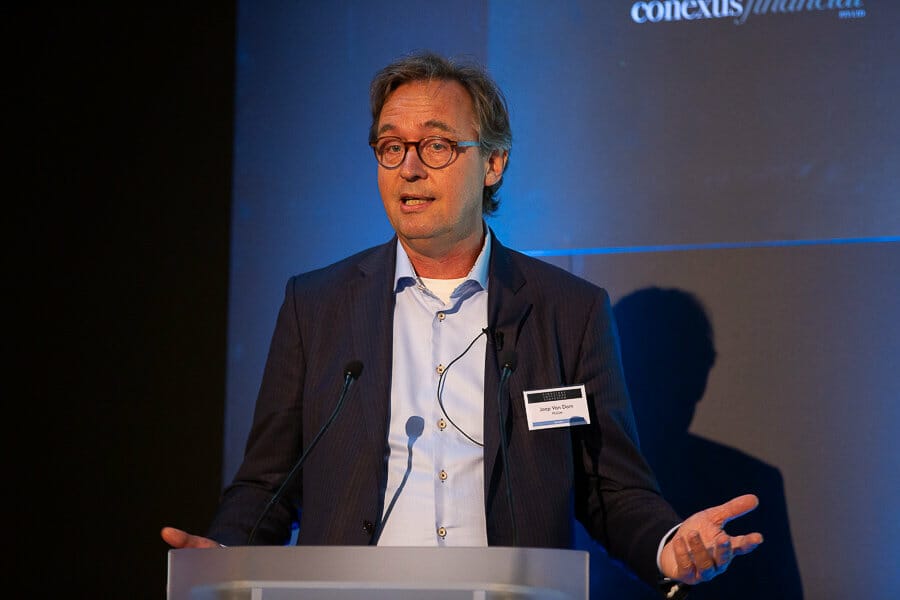
Long-term infrastructure investors need to engage with the public and do much more to build trust in the value of their capital, said Brett Himbury, chief executive of IFM Investors, the global infrastructure manager, owned by 27 leading pension funds with $120 billion AUM.

Speaking at the Fiduciary Investors Symposium at Cambridge University in the United Kingdom, Himbury urged global pension funds and asset managers to better sell their brand of long-term finance as a strong and sustainable capital source. Long-term pension capital is different from government and bank finance and can work to improve beneficiaries’ lives, and the world we all live in, he said. Pension capital represents “workers capital” with an emphasis on “lease not sell” and investing rather than taking “the guts out” of an asset’s costs. Yet many people are sceptical and distrustful of investors. “The public are sceptical of our real motives,” he warned.

Part of the problem is a wider mistrust of institutions, be they financial, government or religious. And the implication for pension funds is worrying. Not only is it leading to fewer long-term investment opportunities to match fast-growing pension funds long-term assets. It is also leading to growing calls for renationalization with the potential to crimp opportunities for infrastructure investors going into the future.

Asset managers need to change too, said Himbury. He urged more asset managers to develop a clear purpose, drawing up guidelines on who they serve and what they are trying to achieve. This should include clearly demonstrating where they have reduced greenhouse emissions, or enhanced governance. The investment landscape poses an opportunity for asset managers to adjust their offering to think and act much more on asset owner’s behalf, he said. Pension funds should also increasingly put pressure on their managers to think about the long-term and demand clarity and alignment. Asset managers need to be sure “who they are serving and to what end” and how their “culture is aligned to meet the needs of those they serve,” he said.

Himbury also called on infrastructure investors to focus on the customers using those infrastructure assets. He said a long-term customer focus should replace today’s prevalent short-term, shareholder focus. “If you focus on your customer, and do so in the long-term, you will create long-term value.” Often investors get all the return at the expense of the customer in an approach that breeds conflict. Witness the United Kingdom’s water utilities where shareholders have been rewarded but water customers and users are burdened with increasingly high utility bills. More equality between investor and customer demands long-term investment, more revenue optimisation and conservative, rather than aggressive gearing, he said.

Thinking and acting long-term and holding their service providers to account on long-term risk behaviours and measures, is one of asset owners’ most enduring challenges. Speaking at the Fiduciary Investors Symposium at Cambridge University a panel of experts highlighted important tools asset owners can deploy to ensure they stay focused on the long-term.

Sarah Williamson, chief executive, Focusing Capital on the Long Term, a US-based non-profit consortium of asset owner and managers dedicated to encouraging long-term behaviour, urged investors to refine and sharpen their beliefs. “At many funds, if you ask different members of the board what their beliefs are, you get different answers,” she said. Engrained beliefs are particularly important during market bumps when “ownership” of long-term strategies tends to fall away. She urged investors to hone their “purpose” and be clear about the things they find easy and difficult.

Setting up decision management tools in advance helps investing for the long-term, as does clarifying a fund’s different risk preferences, she said. She also suggested flipping performance figures to report with the long-term figures first. Similarly, reporting should focus on fundamental value creation in the portfolio, cash-flow generation and analysis of how investee companies’ have improved to give certainty to the board that long-term pays. Indeed, board education is important to building a long-term culture. Trustees typically have less expertise and long-term focus when markets grow more challenging, said the panel.

Williamson also urged gathered delegates to recognise that long and short-term investment is something that must be balanced – it isn’t an either or, she said. “Part of problem is that we all have to think about multiple time horizons,” she said. “It’s very hard to optimise over multiple investment periods. There is a balancing act between the long and short term – we have to make it through the short-term to get to the long-term.”

Investors can reduce performance chasing by setting long-term renumeration targets. Short-term behaviour fuelled by one-year performance-based compensation can be changed by altering the underlying time frame and paying people over the long term, she said. “If there are short-term incentives, you can never be truly long-term.”  Regular dialogue to build trust between asset owners and managers will also help foster a shared, long-term insight.

Jaap van Dam, principal director of investment strategy, PGGM, told delegates that the move amongst Dutch funds to low cost, passive investment in recent years has bought benefits to the country’s pension sector. But it has also bought unintended consequences. None more so than the challenge Holland’s ESG-conscious long-term investors face pushing companies on sustainability and ESG. Companies have a large external impact, that includes positives like producing important goods and services and creating employment, he said. But companies also have a negative impact like climate change or poor governance, and passive owners struggle to have an impact on changing negative corporate behaviour, he said.

Van Dam added that long-term investment needed to be supported with more academic research. He said asset owners needed to focus much more on stewardship and noted the additional complexity of pushing ESG and sustainability when asset owners outsource their investments to asset managers.

Another key to thinking and acting long term involves reducing exposure to explicit price only strategies like momentum and trend following strategies, said Philip Edwards, chief executive, Ricardo Research. Referring to these strategies as “socially costly” and as contributors to “market instability,” he said they drove asset mispricing. Reducing tracking error constraints and addressing performance chasing at the asset owner and asset manager level is important; active management and low level of turnover also builds long-termism, he said.