
Wellcome Trust’s cautious approach: Cash pile grows waiting for opportunity

Wellcome Trust is holding nearly 10 per cent of its £37.6 billion portfolio in cash and bonds. The charity focused on health research established in 1936 with legacies from pharmaceutical magnate Sir Henry Wellcome is sitting on the sidelines and waiting for sufficiently interesting long-term investment opportunities to arise – namely a big fall in public equities that would absorb large-scale funds quickly.

The last time Wellcome had a similarly large allocation to cash and bonds was in September 2008 on the eve of the GFC.

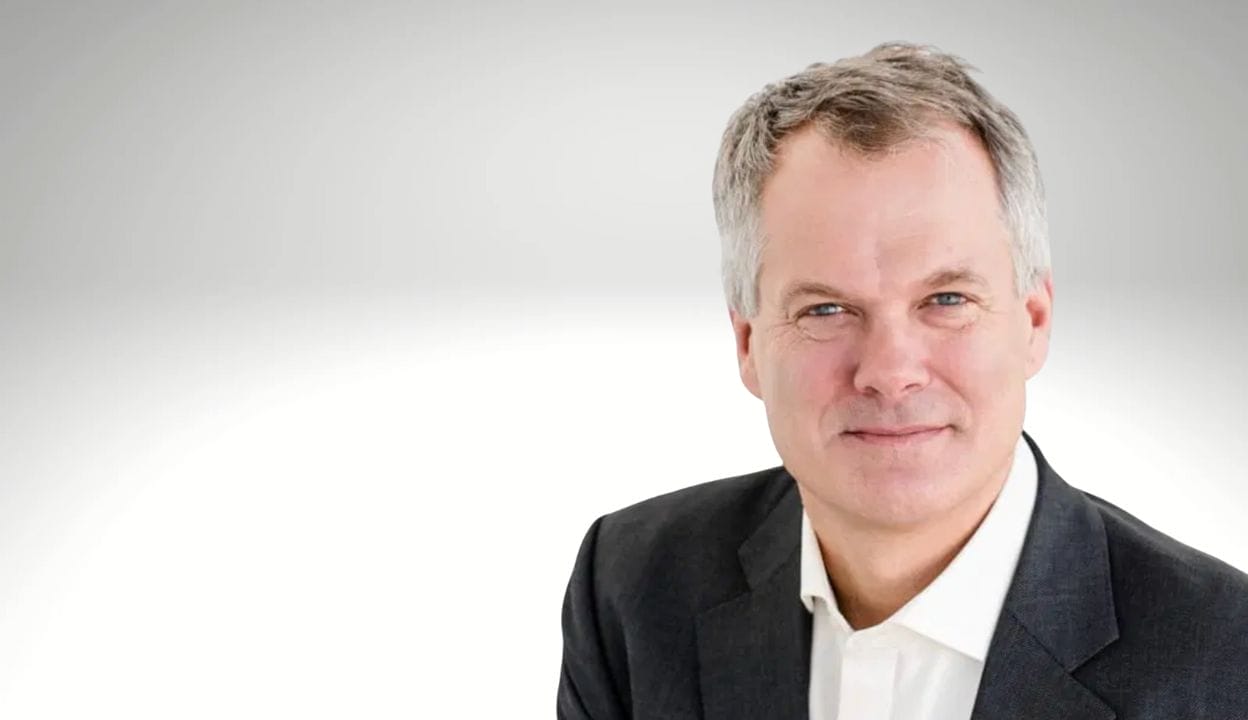
“A market fall of sufficient scale would reveal plenty of great companies in public markets that Wellcome Trust would like to own – or own more of,” chief investment officer Nick Moakes tells Top1000funds.com.

“Public market valuations in the all-important US market are stretched and at some point, are likely to normalise either through market falls or an extended period of sideways market movement while earnings catch up.”

Wellcome has been steadily pruning lower conviction holdings since at least 2020 which has contributed to the accumulation of cash in the portfolio. But he notes it is risky holding such a large amount in cash, even though returns are better than in the recent past and the opportunity cost of holding cash is lower.

Wellcome currently receives around 2 per cent real return after inflation on its cash pile, but this is not enough to meet its minimum long-term target return of 4 per cent (after inflation) needed to at least preserve, and preferably grow, the real value of the portfolio. In its latest results the portfolio returned 5.2 per cent  – 3.5 per cent after inflation.

Sponsored Content

“It does present a risk. We also have to manage counterparty risk carefully,” says Moakes who will retire as CIO at the end of this month, with Lisha Patel and Fabian Thehos stepping up as co-CIOs from April.

Fortunately, some opportunities are starting to appear. Wellcome is deploying significant cash into subdued real estate assets and the team is beginning to see opportunities in private equity too where Wellcome has a 32 per cent allocation to buyout, venture, direct and co investments of which venture is the biggest.

He notes GPs are increasingly open to co-investments and many LPs do not have sufficient liquidity. “Private equity and venture capital valuations are less stretched than they were in 2021 but there is still some excess from that period to be worked through. Essentially too many poor companies were funded and now need to be merged or closed.”

Still, in the shorter term he doesn’t expect the cash flows in Wellcome’s PE portfolio to turn positive until the IPO route to public listings has fully opened and the logjam of VC and PE backed companies waiting to list clears.

An area he won’t be investing is private credit. Like many others Moakes flags looming risks in private credit where he says huge amounts of capital has been sucked as investors attempt to juice returns in their fixed income portfolios.

“Lending standards are very loose with covenant-light loans and compressed spreads. If and when the US economy slows significantly, these vehicles are likely to suffer substantial losses and investors will not be able to find liquidity.” However, he says there is unlikely to be a systemic impact as there was in the GFC because investment has flowed into LPP structures rather than leveraged bank balance sheets.

It leads him to reflect how other investor risks lie in the emergence of large alternative investment managers running many different portfolios.

“Certain large managers of alternatives run private equity, private credit, real estate, and hedge funds and have gone public. They have created a self-contained ecosystem lending to each other’s equity or real estate vehicles. These are great businesses, but their public listing means that interests are not fully aligned with LPs in the underlying funds as public markets value AUM over returns on capital.”

Moakes says another “big issue” in public markets is the momentum trade where passive funds buy the biggest stocks in the market, creating a headwind for active managers of all sorts. The impact has shown up in Wellcome’s actively managed equity portfolio where neither the internally manged portfolio nor Wellcome’s external managers have kept pace with MSCI ACWI since 2020. Although the £16.8 billion public equity and equity long short portfolio returned 13.0 per cent last year that trailed the broader market by a wide margin due to the highly concentrated nature of market returns.

He warns that if markets go into reverse and funds are withdrawn from passive vehicles, there is a risk of a disorderly market move. Although he reflects “in the long-term” passive will continue to dominate the market.

The main winners in the active space have been the platform hedge funds, who are finding alpha and leveraging it up to deliver returns. “The best are very good indeed, but the rise of secondary players means there is a risk that this becomes a crowded space below the top tier of managers.”

He believes bond market volatility is symptomatic of an economy with structural twin deficits – current account and fiscal. However, the fact that it is not just happening in the UK suggests there is something broader going on. “Inflation is still a risk, and it seems more entrenched than central banks would hope, while most governments are having to issue vast quantities of fresh bonds. This is testing the market’s patience.”

Wellcome has no exposure to bonds beyond very short-dated paper held as part of the cash pile.

“There is no direct read across to our portfolio unless equity markets are affected. However, when currency markets are affected, as GBP has been for an extended period, there is an impact on our mark-to-market valuations,” he concludes.

Asset Owner:Wellcome Trust

Leave a Comment

How CPP is evolving risk management for a faster, more interconnected world

How CPP is evolving risk management for a faster, more interconnected world

In an environment where multiple risks are emerging and their effects are compounding on the portfolio, CPP Investments' chief risk officer Priti Singh says the $572 billion fund is rethinking risk management from the ground up, shifting from reaction to preparation and embedding risk thinking earlier in investment decisions. She speaks to Amanda White about the fund's risk approach.

Sort content by

GPIF finds gaps in manager engagement with Japanese corporates

The annual survey by Japan’s 245.98 trillion yen ($1.5 trillion) Government Pension Investment Fund, measuring asset manager engagement of listed companies, finds purposeful and constructive dialogue between investors and companies remains challenging. Lacklustre asset manager engagement with investee companies comes as GPIF seeks to widen its manager pool.

Thailand’s GPF – where sustainability is more important than returns

Thailand’s GPF is a regional leader in ESG integration. Top1000funds.com talks to Man Juttijudata, responsible for GPF’s active investment and outsourced investments about the challenges – like how to treat EV companies – and how uses fund managers for nuanced assessment.

Texas Teachers’ growing pressure on hedge fund fees is working

TRS is pioneering efforts to change the fee structure in hedge funds. CIO Jase Auby says new fee models now apply to around two thirds of the pension fund's hedge fund relationships

GIC seeks discipline, diversification in ‘profound uncertainty’ ahead

Singapore’s sovereign wealth fund GIC is bracing for a period of “profound uncertainty” as the fund looks to rely on more “granular” diversification and maintaining price discipline to traverse the environment.

Border to Coast prepares to answer the call for pre-IPO growth capital

Joe McDonnell, CIO of Border to Coast, says the £45 billion fund can help fill the gap in funding UK private companies wanting to IPO. It’s part of an investment strategy that sees a focus on putting capital to work innovatively and intentionally for its underlying funds.

Private equity: Florida SBA mulls CFOs as alternative to secondaries

Florida State Board of Administration (SBA) is exploring innovative new strategies in its private equity portfolio like Collateralized Fund Obligations and “NAV loans” to tap liquidity and reposition the portfolio as an alternative to selling in the secondaries market.

Previous




