
The ‘Divest Invest’ premium
A sample Divest Invest portfolio outperformed under climate-change modelling, when compared with a more traditional allocation exposed to fossil fuels and lacking tilts towards climate solutions.
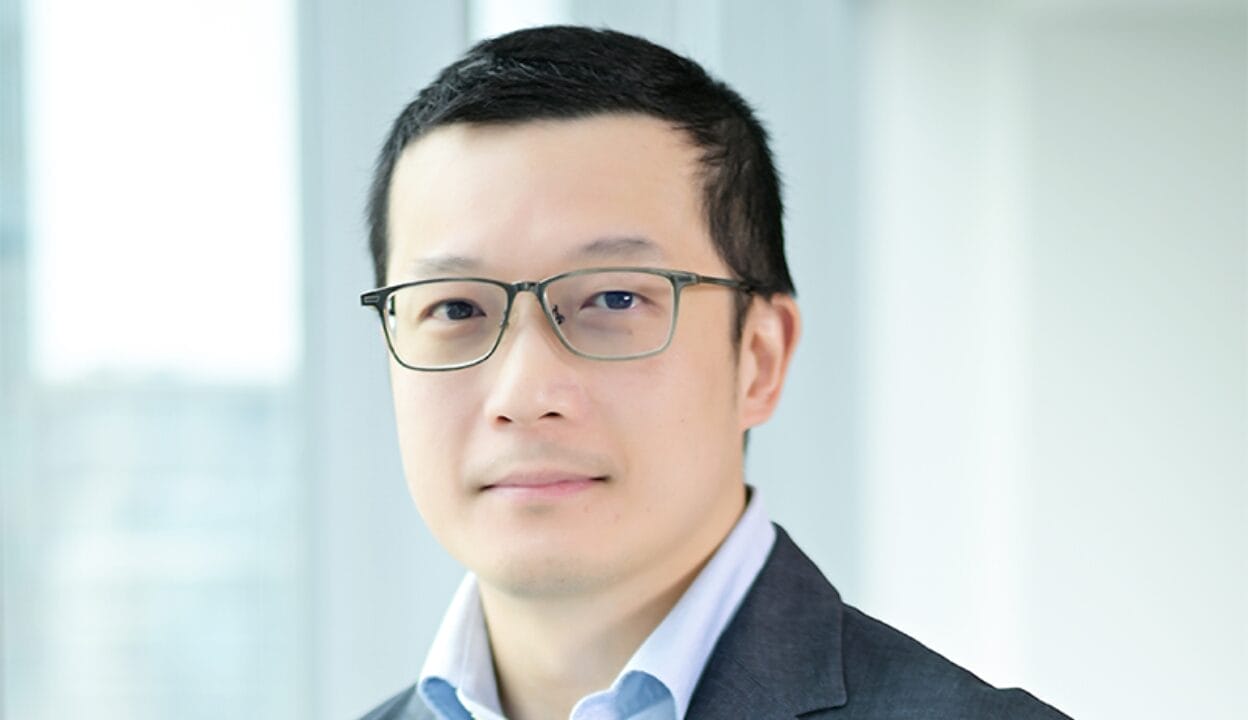
Canada's HOOPP has officially adopted the total portfolio approach since the start of 2026. Unpacking the move, the fund's managing director and head of total portfolio group Jacky Lee writes that while the approach doesn't magically make the return better, the fact that it frees the investment team from outdated processes and gives investment leaders the flexibility to act is what gives it an edge.
A sample Divest Invest portfolio outperformed under climate-change modelling, when compared with a more traditional allocation exposed to fossil fuels and lacking tilts towards climate solutions.
An over-reliance on mean-variance optimisation has led to portfolios that fail to take into account the radical complexity of the real world and embrace ‘pretentious and unhelpful symbols’.
Against a backdrop of geopolitical tumult, Mercer’s Phil Edwards outlines four developments investors will need to consider when building and adjusting their portfolios for the year ahead.
The link between better governance and stronger returns lies somewhere between faith and fact; however, in a historically tough climate, the argument for best practice seems overwhelming.
We can debate the certainty of risks and returns, but maintaining that investment in tobacco is in the best interests of ordinary workers is clearly becoming an increasingly difficult position.
In exercising fiduciary duty, it is not the origin of long-term value drivers that matters, but their financial materiality, and that includes ESG says Will Martindale, head of policy at PRI.






Top1000funds.com is the market leading news and analysis site for the world’s largest institutional investors. It focuses on leading the global investment industry to continuous improvement through case studies of best practice in governance and decision making, portfolio construction and efficient portfolio management, fees and costs, and sustainable investing.
The publication pushes the industry to question whether status quo processes and behaviours to tackle risks and opportunities will be sufficient in the future, and actively campaigns for diversity, sustainability, transparency, innovation and better alignment of fees in the investment industry.
Top1000funds.com is read by investment professionals in more than 40 countries.

Featured Story