
PRI: Assessing the ‘S’ in ESG
Policymakers worldwide are enacting laws and guidelines that give investors what they need to discover the risks and opportunities social issues present – and funds are already taking advantage.
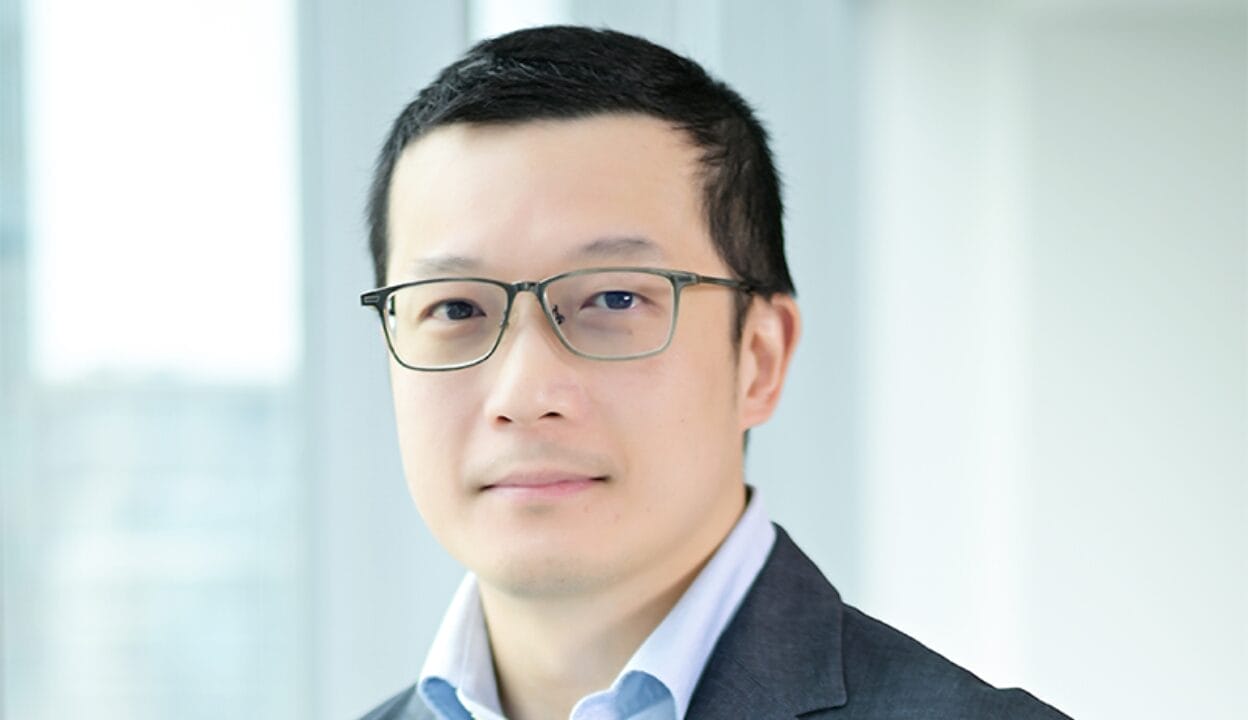
Canada's HOOPP has officially adopted the total portfolio approach since the start of 2026. Unpacking the move, the fund's managing director and head of total portfolio group Jacky Lee writes that while the approach doesn't magically make the return better, the fact that it frees the investment team from outdated processes and gives investment leaders the flexibility to act is what gives it an edge.
Policymakers worldwide are enacting laws and guidelines that give investors what they need to discover the risks and opportunities social issues present – and funds are already taking advantage.
Researchers make a call to action as a study reveals that despite much growth in sustainable infrastructure, it’s still not a part of core allocation strategy for many investors.
In theory, closed-end funds should outperform over long horizons – they can avoid forced sales. But in practice, lack of monitoring and alignment can lead to agency costs and underperformance.
Will long-term GDP growth behave like bacteria in a petri dish or rabbits on a deserted island? The answer has implications for investors attempting to construct sustainable portfolios.
When an exchange-traded fund isn’t closely matched by its underlying components, liquidity can dry up, credit risks can emerge, and other factors can eat away at expected returns.
Passive managers have greatly increased their market share. It’s more important than ever that they show best practice in active ownership by engaging on ESG issues and focusing on the long term.






Top1000funds.com is the market leading news and analysis site for the world’s largest institutional investors. It focuses on leading the global investment industry to continuous improvement through case studies of best practice in governance and decision making, portfolio construction and efficient portfolio management, fees and costs, and sustainable investing.
The publication pushes the industry to question whether status quo processes and behaviours to tackle risks and opportunities will be sufficient in the future, and actively campaigns for diversity, sustainability, transparency, innovation and better alignment of fees in the investment industry.
Top1000funds.com is read by investment professionals in more than 40 countries.

Featured Story