
Distressed Kentucky fund regroups
A struggling pension fund for Kentucky employees has cut back on hedge funds while remaining averse to long-term risk and hopeful of a better climate for US equities to help it recover.
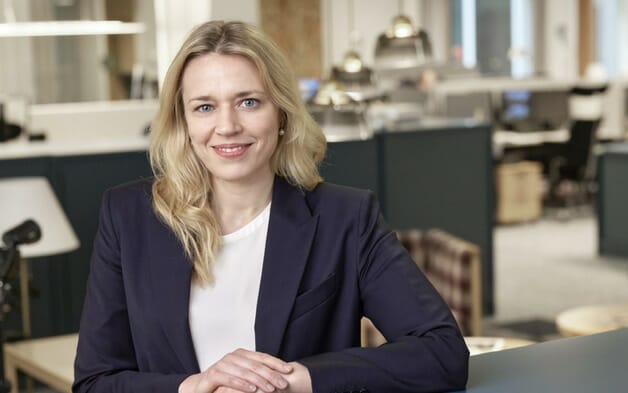
Volatile markets have provided a rich hunting ground and opportunistic best ideas have come thick and fast for AP4’s new five-pronged global allocation made up of systematic equity, currency and rates, asset allocation, hedge funds/external mandates and analysis. Magdalena Högberg explains the risks and opportunities of the best ideas allocation.
A struggling pension fund for Kentucky employees has cut back on hedge funds while remaining averse to long-term risk and hopeful of a better climate for US equities to help it recover.
Finland’s €18.5 billion State Pension Fund (VER) will slightly increase its allocation to hedge funds, in order to counter the impact of low interest rates on its fixed-income holdings.
The US$60 billion Mass PRIM has recalibrated its hedge fund portfolio moving from fund of funds to direct relationships, reducing fees, and using managed accounts. So what’s next?
CEM benchmarking has shed light on the unattractive returns – largely due to high costs – and lack of risk protection afforded by most pension funds’ hedge fund portfolios
The inability to scale hedge fund exposures and risks, has led many large investors, like CalPERS this week and ATP last year, to exit their hedge fund programs. Complexity continues to be a drain on the relevancy of hedge funds, but importantly cost is driving the agendas of these investors. As AQR’s Cliff Asness admits,
One of Australia’s largest superannuation funds, the $27 billion Sunsuper, is adamant that it gets value out of its large hedge fund program. This is against the grain in Australia, where many large funds (with the exception of the Future Fund) choosing not to invest in hedge funds. So why does Sunsuper favour hedge funds?






Top1000funds.com is the market leading news and analysis site for the world’s largest institutional investors. It focuses on leading the global investment industry to continuous improvement through case studies of best practice in governance and decision making, portfolio construction and efficient portfolio management, fees and costs, and sustainable investing.
The publication pushes the industry to question whether status quo processes and behaviours to tackle risks and opportunities will be sufficient in the future, and actively campaigns for diversity, sustainability, transparency, innovation and better alignment of fees in the investment industry.
Top1000funds.com is read by investment professionals in more than 40 countries.

Investor Profile