
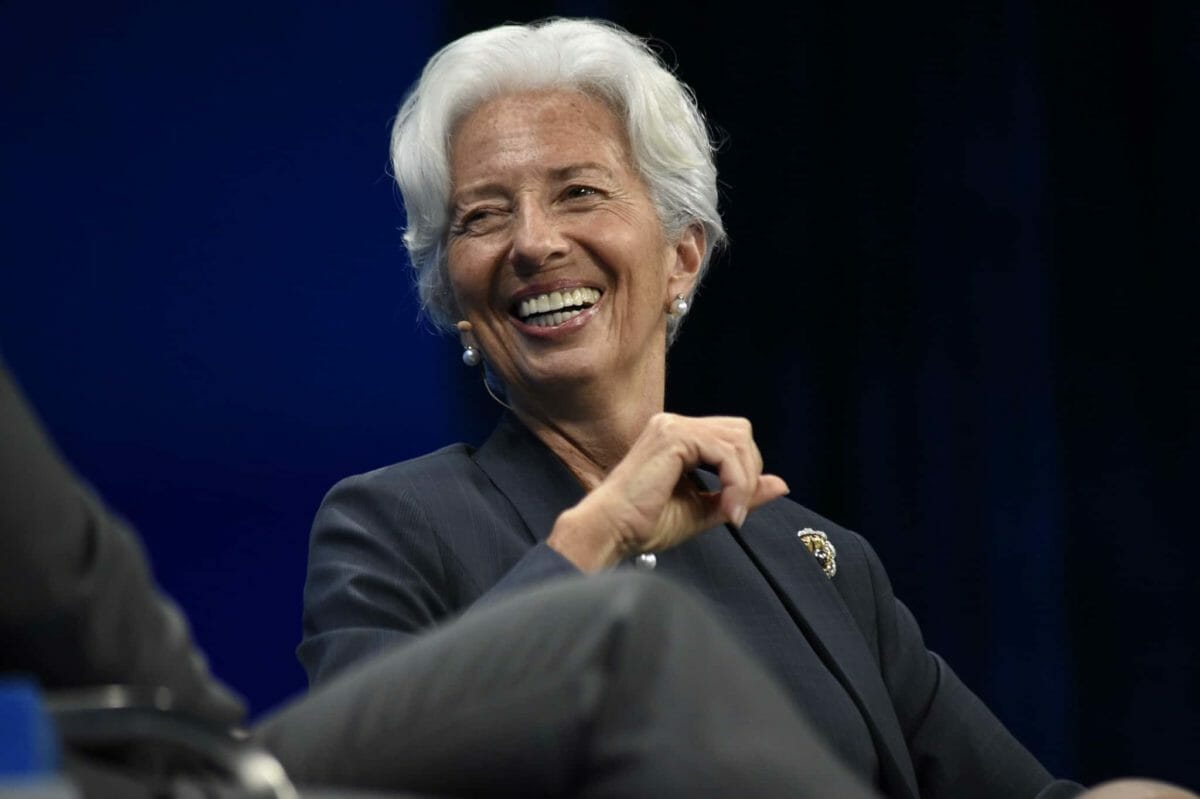

Given the synchronised slow down in growth it is still a delicate moment in the global economy, according to Christine Lagarde, president of the IMF. However she told delegates at the Milken Global Conference she was not expecting a global recession.
While growth in the US has been above 3 per cent for three of the last four quarters Lagarde says it is important to analyse where the growth is coming from.
“Productivity is critically important,” she said. “There should be some movement in productivity and if we see that it is encouraging. If productivity is still at the low end we won’t be as optimistic.”
She said the ageing phenomenon in the world is having a very significant impact on inflation and its relationship with debt.
“We are facing a landscape where productivity is low and we are watching productivity closely. I want us at IMF to better measure how technology is impacting productivity.”
Lagarde said it was a “bit of a mystery” why there is supressed inflation, and forecast higher inflation in the months to come because of the price of oil.
“People are finding it hard to explain inflation, some say it is because babyboomers leaving the workforce, and ageing. You have to dig into employment numbers to understand. We believe inflation will pick up slowly,” she said.
She said while Central Banks had a mandate of stability, there was a question over whether that is the right mandate.
“If you can’t get to 2 per cent there is no logic to setting it higher. Everyone would like a bit more inflation but setting the bar higher won’t get there,” she said.
With regard to Brexit, she said it was a tribute to Chancellor of the Exchequer, Mark Carney, that there was stability in markets.
“He has handled the situation very well. The financial services sector was ready early for if a no-deal Brexit happened,” she said. “That must have given some confidence to the markets.”
Lagarde said she was concerned over the level of debt in the global economy.
“This new theory that you can borrow your way into the future and everything is going to be ok. It’s not just that this modern monetary approach is not ok, it’s not sustainable.”
She said she had concern in particular about the level of debtedness of the lower economies.
“There are a lot of people with a lot of disarray and misery. I said more than a year ago that this excessive debt will weigh on us.”
“I don’t think that globalisation will go away, but we can’t continue with the levels of inequality that we have. I understand why people are talking about what is wrong with capitalism, but what do we do about inequality and inclusion?” she asked delegates to consider.








Leave a Comment
You must be logged in to post a comment.
Login