
Optimal factor index design?
EDHEC-Risk Institute suggests that investors should be wary when implementing factor tilts to ensure diversification still reigns.
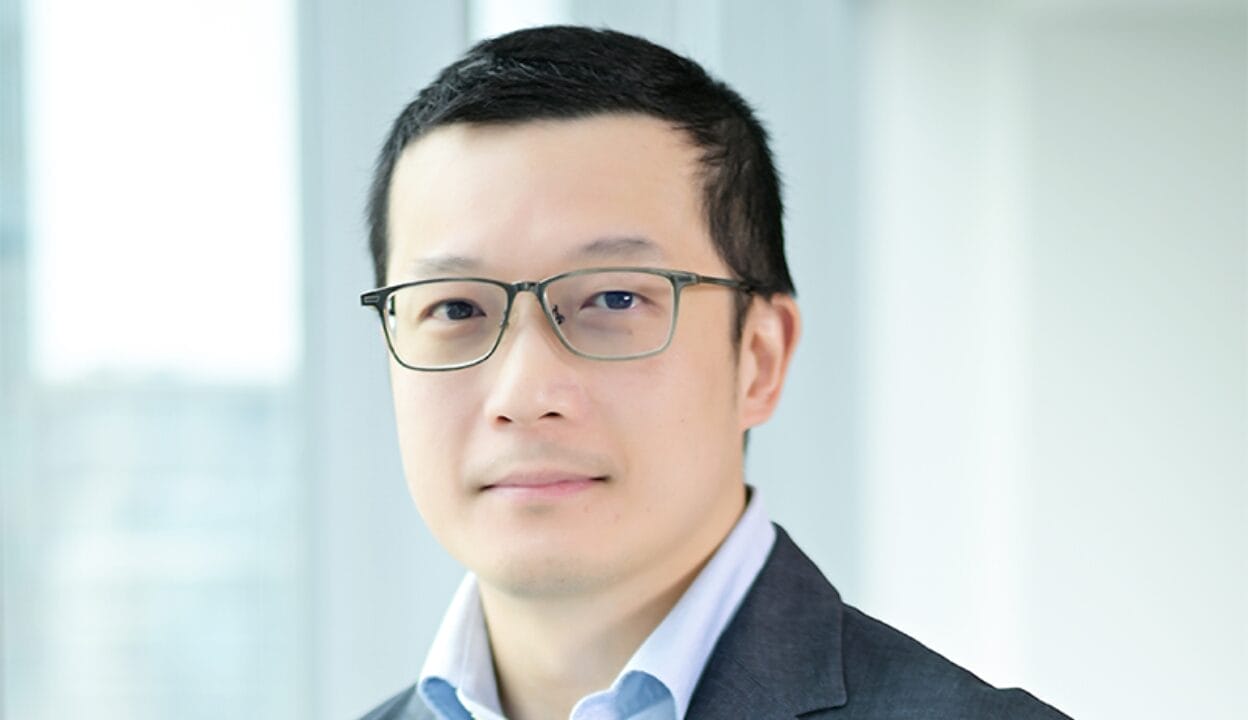
Canada's HOOPP has officially adopted the total portfolio approach since the start of 2026. Unpacking the move, the fund's managing director and head of total portfolio group Jacky Lee writes that while the approach doesn't magically make the return better, the fact that it frees the investment team from outdated processes and gives investment leaders the flexibility to act is what gives it an edge.
EDHEC-Risk Institute suggests that investors should be wary when implementing factor tilts to ensure diversification still reigns.
Systematic equity investment strategies – so-called smart beta strategies – are usually marketed on the basis of outperformance. However, it is important to recognise that performance analysis is typically conducted on backtests that apply the smart beta methodology to historical stock returns. Concerning actual investment decisions, a relevant question, therefore, is how robust the outperformance
One of the key ways that institutional investors can promote a long-term orientation in the companies they invest, is by rejecting a company’s compensation plan if it puts too much emphasis on short-term results, says Bob Pozen, visiting senior lecturer at the MIT Sloan School of Management. Writing in the Financial Analysts Journal, he says
New research by EDHEC-Risk Institute questions the usefulness of analysing geographic equities exposures based on the stock’s place of listing, incorporation or headquarters. Head of applied research, Felix Goltz, suggests that in a globalised marketplace, a more meaningful analysis of geographic risk exposures, and performance attribution, comes from looking at geographic segmentation data including total sales
Fiona Reynolds, managing director at the Principles for Responsible Investment (PRI) discusses why it’s in everyone’s interests for more investor voices to be heard between now and November before the world’s nations converge at COP21 in Paris. The announcement that the G7 leading industrial nations have agreed to cut greenhouse gases by phasing out the use of
As the landscape for investment changes rapidly, so too does the notion of fiduciary duty. Fiona Reynolds, managing director of PRI, argues that using the status quo as a reason not to adapt to changing perceptions and new demands from investors is no longer possible or acceptable. The PRI will publish a fiduciary duty roadmap






Top1000funds.com is the market leading news and analysis site for the world’s largest institutional investors. It focuses on leading the global investment industry to continuous improvement through case studies of best practice in governance and decision making, portfolio construction and efficient portfolio management, fees and costs, and sustainable investing.
The publication pushes the industry to question whether status quo processes and behaviours to tackle risks and opportunities will be sufficient in the future, and actively campaigns for diversity, sustainability, transparency, innovation and better alignment of fees in the investment industry.
Top1000funds.com is read by investment professionals in more than 40 countries.

Featured Story