
ATP factors in many adjustments
Denmark's $126.9 billion ATP has excelled using allocations to risk factors such as interest rates and inflation, along with frequent tinkering - all based on a robust decision-making process.
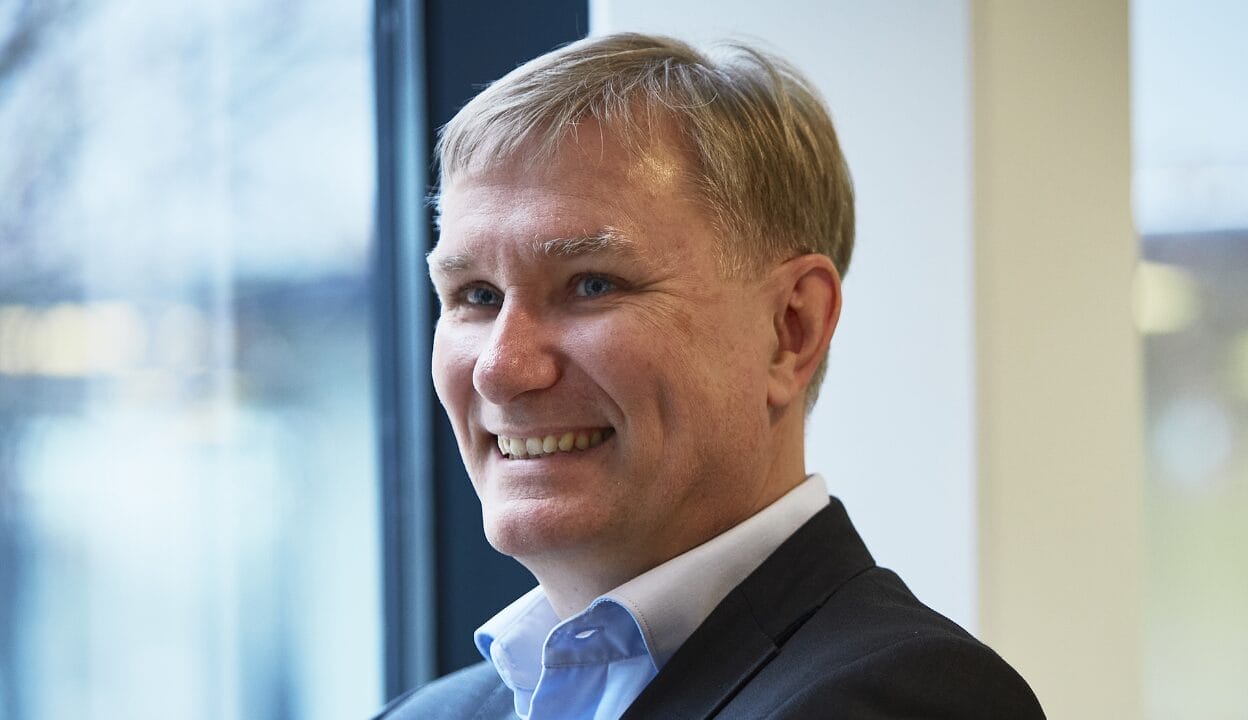
In Denmark’s fiercely competitive commercial pension industry, Velliv was quick to take action with a root-and-branch overhaul of its pension provision when it experienced a drop in returns in the first half of 2024. It sacked its active equity managers and scaled up internal active strategies and low-cost, index-based investments instead, and stopped allocating to its $4.3 billion alternatives allocation. Thor Schultz Christensen, deputy CIO at Velliv, unpacks the change.
Denmark's $126.9 billion ATP has excelled using allocations to risk factors such as interest rates and inflation, along with frequent tinkering - all based on a robust decision-making process.
The Third Swedish National Pension Fund has cut back on hedge fund managers, citing cost, poor returns, and difficulty pinpointing the source of alpha for managers that have done well.
Mercer’s Pacific CIO, Kylie Willment, has made tweaks to better align the portfolio with the potential effects of quantitative tightening, markets late in their cycles, and geopolitical risks.
Dutch pension fund APG finds that bespoke, expandable deals with partners in the area serve it best in the competitive Asia-Pacific markets. Regional head Wim Hazeleger explains the approach.
Brunel Pension Partnership is starting its consolidation of 10 local government pension schemes into one mega fund. CIO Mark Mansley cites pragmatism and cost among the guiding objectives.
You can't beat the market if you are the market. That's reality for Japan's behemoth pension fund; therefore, it looks to improve overall returns by engaging and investing with an ESG focus.






Top1000funds.com is the market leading news and analysis site for the world’s largest institutional investors. It focuses on leading the global investment industry to continuous improvement through case studies of best practice in governance and decision making, portfolio construction and efficient portfolio management, fees and costs, and sustainable investing.
The publication pushes the industry to question whether status quo processes and behaviours to tackle risks and opportunities will be sufficient in the future, and actively campaigns for diversity, sustainability, transparency, innovation and better alignment of fees in the investment industry.
Top1000funds.com is read by investment professionals in more than 40 countries.

Investor Profile