
PRI signatories outperform non-signatories
Asset owners that are PRI signatories had higher returns and lower costs than non-PRI signatories over a five-year period according to analysis by CEM Benchmarking.
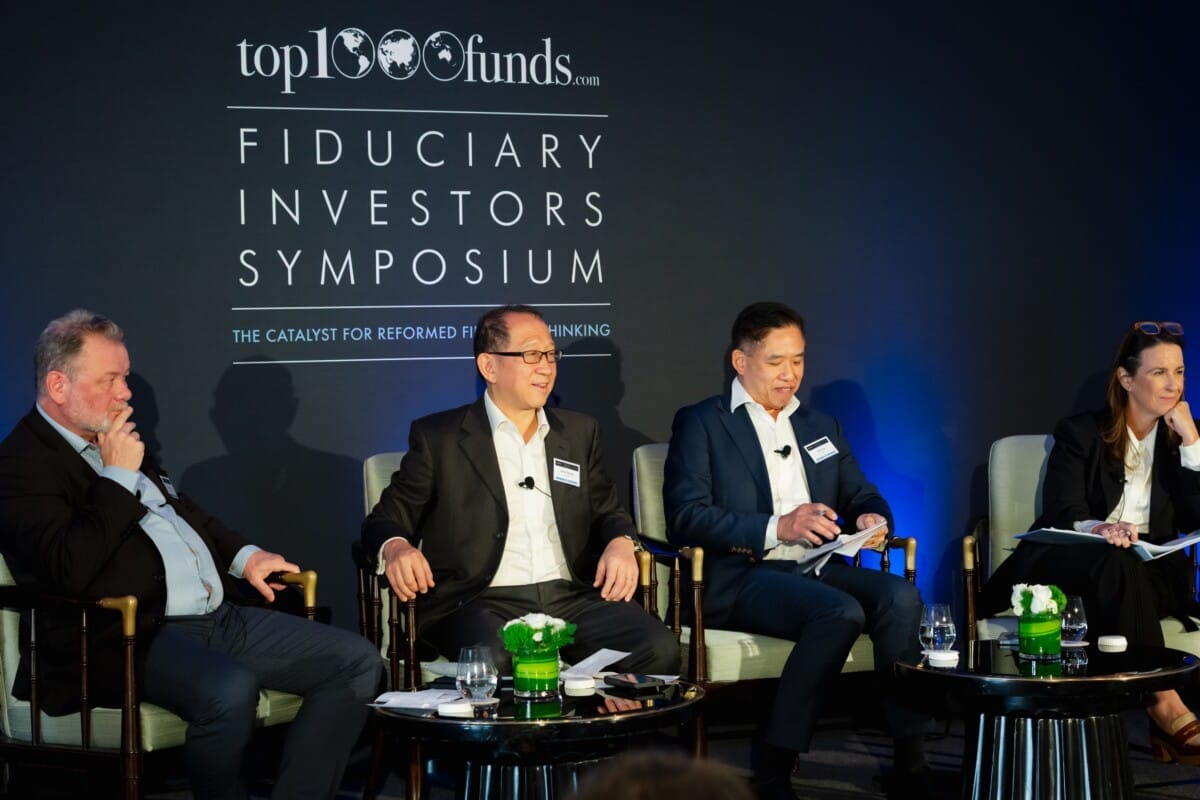
As artificial intelligence models become more sophisticated, asset owners and managers are rethinking portfolio construction as an activity sitting at the nexus of human and machine, which means gaining an edge over the market increasingly needs investors to tap into the wisdom from both sources.
Asset owners that are PRI signatories had higher returns and lower costs than non-PRI signatories over a five-year period according to analysis by CEM Benchmarking.
The $160 billion Teacher Retirement System of Texas (TRS) has a long and celebrated prowess when it comes to investing in energy yet enduring underperformance in the asset class was a key focus during a recent board meeting.
A review of the legal barriers to investing for sustainability impact in 11 jurisdictions gives confidence to investors wanting to re-think old investment paradigms and include impact alongside risk and return.
G7 nations have endorsed mandatory climate-related financial disclosures based TCFD framework recommendations, but a survey of Canadian investors found the TCFD disclosures are less insightful than most had anticipated.
New research by Norges Bank, which manages the assets of the $1.39 trillion Norwegian sovereign wealth fund, examines how the increased focus on ESG issue can affect asset prices.
As more asset owners and managers commit to net-zero strategies, Roger Urwin outlines the challenges for investors including these additional tasks adding to the already stretched asset owner governance budgets.



Top1000funds.com is the market leading news and analysis site for the world’s largest institutional investors. It focuses on leading the global investment industry to continuous improvement through case studies of best practice in governance and decision making, portfolio construction and efficient portfolio management, fees and costs, and sustainable investing.
The publication pushes the industry to question whether status quo processes and behaviours to tackle risks and opportunities will be sufficient in the future, and actively campaigns for diversity, sustainability, transparency, innovation and better alignment of fees in the investment industry.
Top1000funds.com is read by investment professionals in more than 40 countries.




Featured Story