
Woodwell and Wellington talk climate risk
Woodwell Climate Research Center and Wellington Management talk about their shared climate change mitigation efforts.
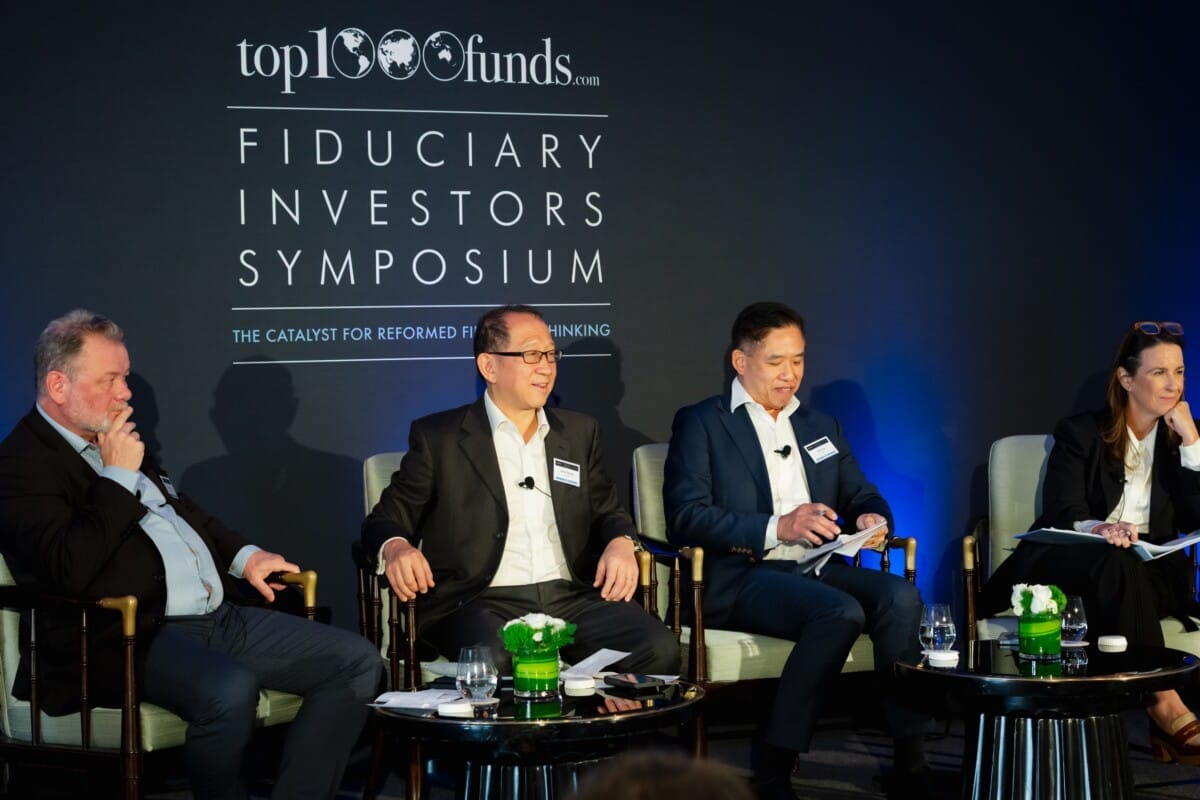
As artificial intelligence models become more sophisticated, asset owners and managers are rethinking portfolio construction as an activity sitting at the nexus of human and machine, which means gaining an edge over the market increasingly needs investors to tap into the wisdom from both sources.
Woodwell Climate Research Center and Wellington Management talk about their shared climate change mitigation efforts.
Imperfect data, opaque third-party managers, and obtaining the necessary talent and tools are among the toughest challenges for investors as they navigate the path to net zero emissions by 2050.
Asset owners specialise in identifying pricing efficiencies, and therefore cannot ignore the implications of climate change in their risk metrics, says Laurent Ramsey, managing partner of two-century-old Swiss bank and financial services company, Pictet Group.
Panellists speaking at Sustainability in Practice urge investors to redesign their portfolio building process to better understand the impact of their investments and achieve greater social and environmental stewardship.
Growing transparency and the measurement of impact in portfolios is transforming the flow of capital in ways comparable to the introduction of auditing in the 1930s and the measurement of risk from the 1950s, says philanthropist and venture capitalist Sir Ronald Cohen.
Investors interested in ESG should be aware of the intensity of the commitment and develop their own deep expertise and impact-weighted accounts, according to ESG pioneer and academic, Professor George Serafeim. He will speak at the Sustainability in Practice event at Harvard University in September.



Top1000funds.com is the market leading news and analysis site for the world’s largest institutional investors. It focuses on leading the global investment industry to continuous improvement through case studies of best practice in governance and decision making, portfolio construction and efficient portfolio management, fees and costs, and sustainable investing.
The publication pushes the industry to question whether status quo processes and behaviours to tackle risks and opportunities will be sufficient in the future, and actively campaigns for diversity, sustainability, transparency, innovation and better alignment of fees in the investment industry.
Top1000funds.com is read by investment professionals in more than 40 countries.




Featured Story