
Pooling funds worth the trouble
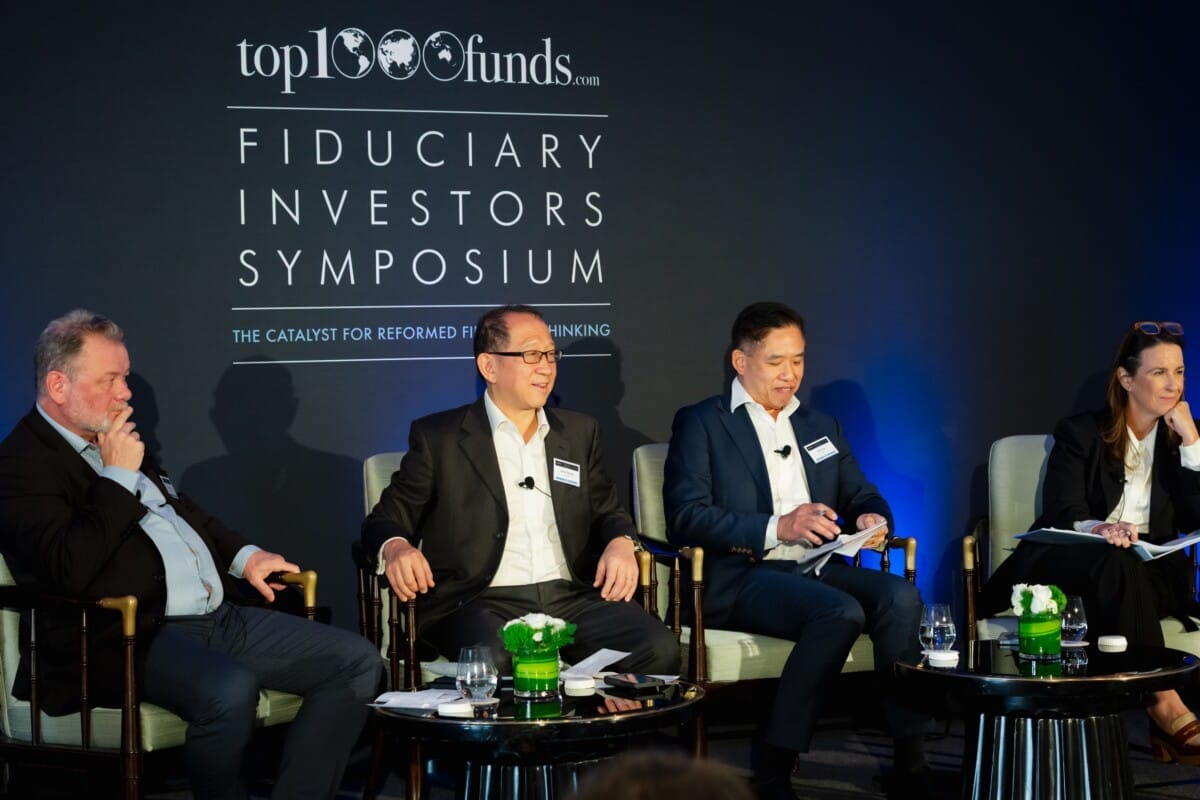
Combining pension funds involves merging cultures, acting as both an investor and a body that answers to its constituent funds, and more. A panel of CEOs discussed the difficulties and benefits.
As artificial intelligence models become more sophisticated, asset owners and managers are rethinking portfolio construction as an activity sitting at the nexus of human and machine, which means gaining an edge over the market increasingly needs investors to tap into the wisdom from both sources.
The global economy is increasingly bifurcated between the US, Europe and Asia and how the growth projections and geopolitical risks between these regions plays out is of increasing interest to institutional investors. The Fiduciary Investors Symposium in Singapore will look at the return and impact opportunities in the region, and the importance of Asia in the global economy.
It will examine the global economy in the context of the west adapting to a rising Asia; technology decoupling between the US and China; the impact of COVID-19 on Asian economies; the leading role of Asia in technology, smart cities, digitalisation and fintech; ESG risks and opportunities; and portfolio resilience to different macro-economic regimes.
The conference enables asset owners from around the world to explore investment themes, risks and opportunities with their global peers, and explore cutting edge approaches to risk management, liquidity management and portfolio construction.
Combining pension funds involves merging cultures, acting as both an investor and a body that answers to its constituent funds, and more. A panel of CEOs discussed the difficulties and benefits.
AI and other advances are making assets like toll bridges more challenging. Opportunities are emerging from privatisation but the days of 'set-and-forget' may be coming to an end.
Asset owners are diversifying, cutting costs and allocating assets to low-volatility strategies to put their portfolios in position for difficult times, a high-level panel discussion found.
Investors need to face the reality of lower returns and adjust their portfolios accordingly, the co-CIO of hedge-fund giant Bridgewater said.
Merely capturing carbon data doesn't do enough to inform asset owners about environmental risk but models and technology are emerging to do the job, the Smith School's Ben Caldecott explains.
Australia’s $34 billion pension fund for the construction industry is moving nearly half of its asset management in-house, starting with active equity and infrastructure.

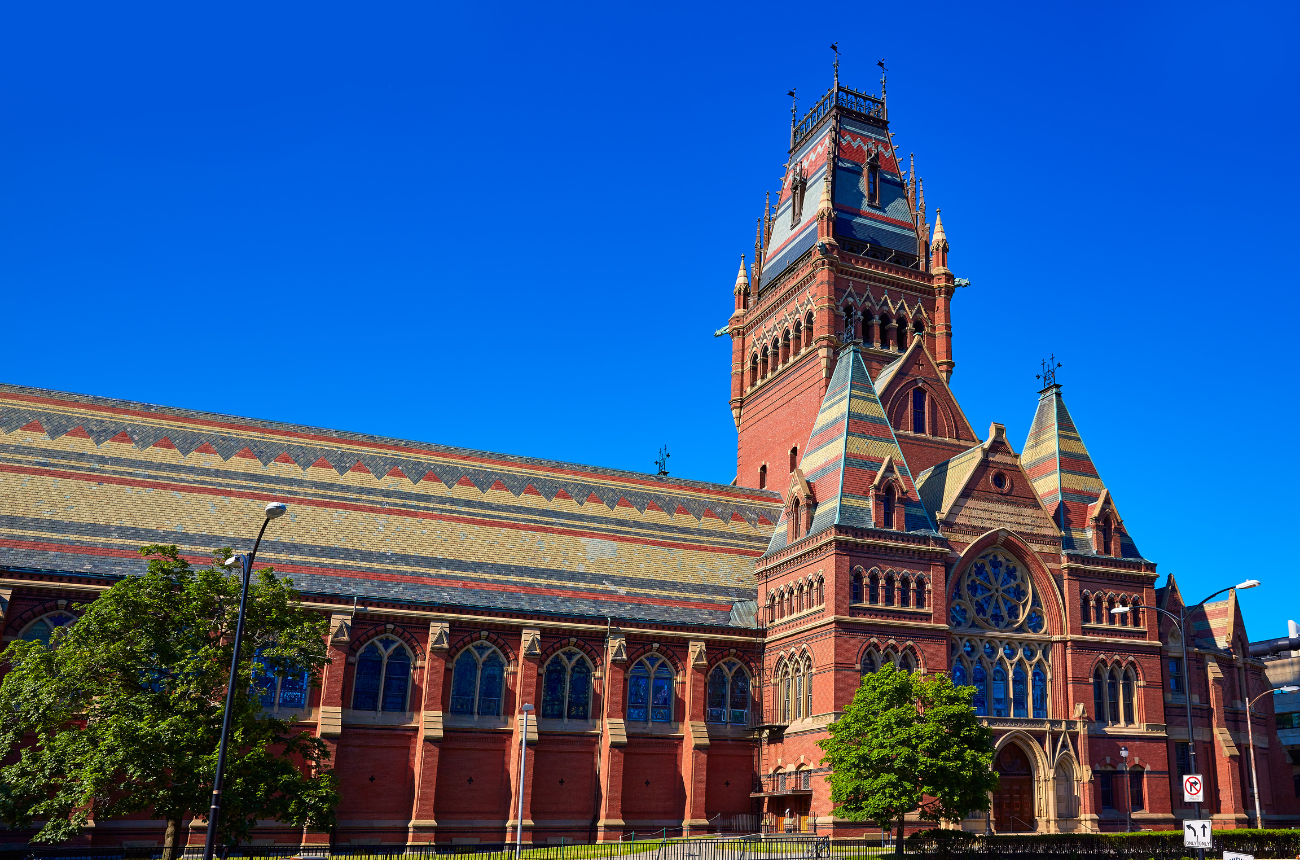
This event looks at the challenges long-term investors face in an environment of disruption including ongoing geopolitical risk and shifts in global economic dynamics. By accessing faculty of Harvard’s esteemed university, this event will leave investors empowered to tackle disruption in their portfolios and working lives.
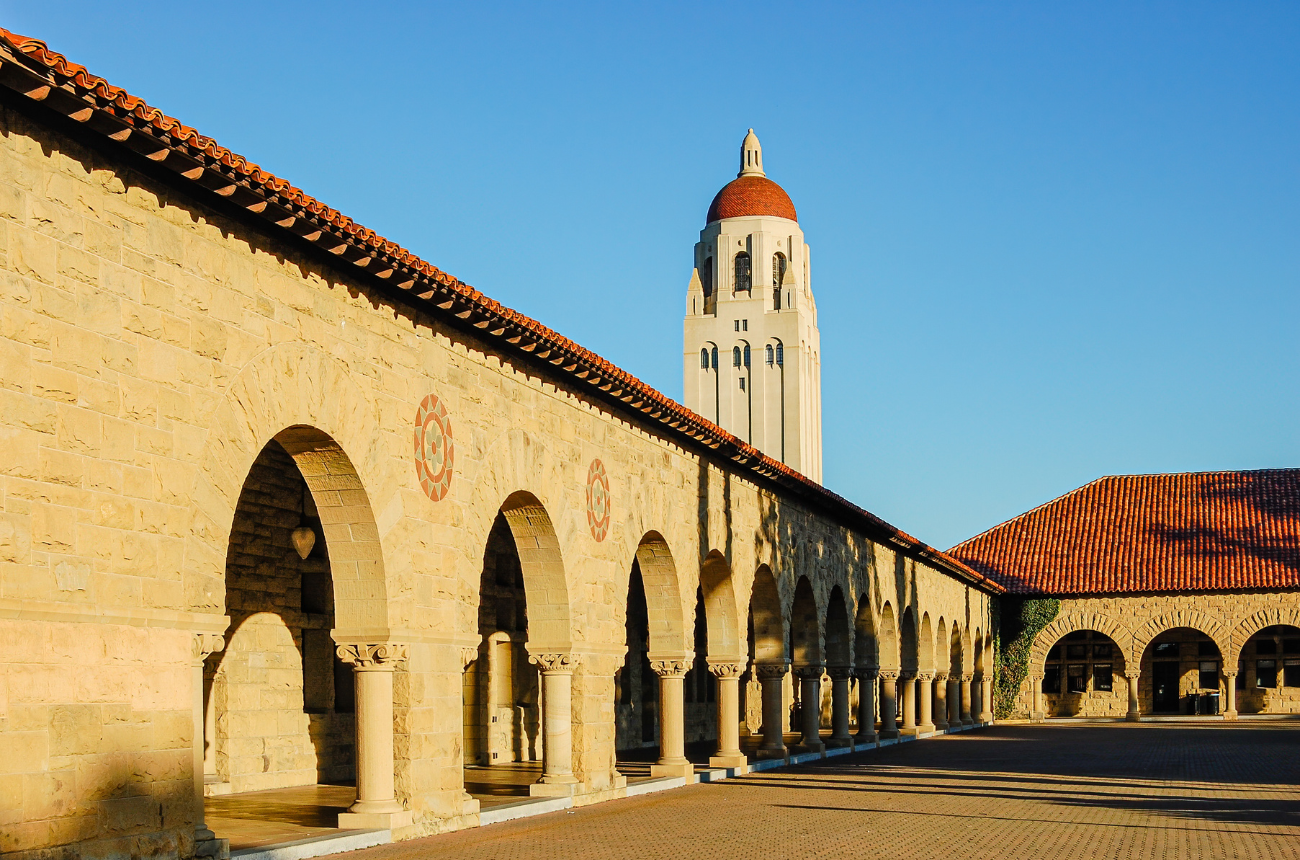
The Fiduciary Investors Symposium at Stanford University celebrates the fast-moving change taking place in economies and communities and will examine the impact of innovation on our lives, workplaces and investments.





Top1000funds.com is the market leading news and analysis site for the world’s largest institutional investors. It focuses on leading the global investment industry to continuous improvement through case studies of best practice in governance and decision making, portfolio construction and efficient portfolio management, fees and costs, and sustainable investing.
The publication pushes the industry to question whether status quo processes and behaviours to tackle risks and opportunities will be sufficient in the future, and actively campaigns for diversity, sustainability, transparency, innovation and better alignment of fees in the investment industry.
Top1000funds.com is read by investment professionals in more than 40 countries.

Featured Story