
GPIF, ADIA: complex success
Japan’s GPIF has only recently moved into equities, while ADIA has a rich history of investing in a variety of asset classes. The returns of both giants show the benefits of diversification.
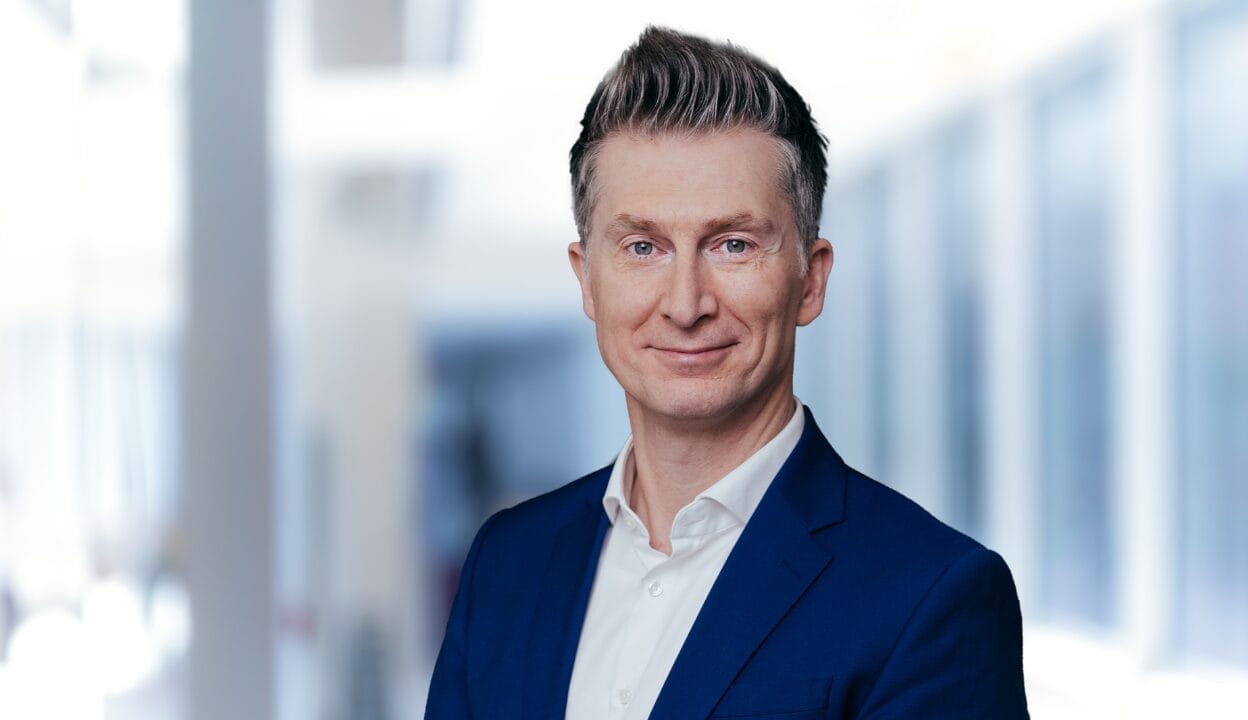
Germany's WPV stands out amongst peers for its in-house investment management and the fact that half of its €6 billion ($6.9 billion) portfolio is invested in alternatives. Managing director Sascha Pinger explains how these characters give the fund an edge in Germany's competitive environment for industry pension funds.
Japan’s GPIF has only recently moved into equities, while ADIA has a rich history of investing in a variety of asset classes. The returns of both giants show the benefits of diversification.
SEB has restructured its risk factor portfolio and raised the allocation to senior secure loans within its large alternatives portfolio. The changes address rising global uncertainty.
The new head of Sweden’s AP4, Niklas Ekvall, is seeking opportunities in emerging-market debt and alternative assets, while looking to expand on an already lauded ESG integration.
Malaysia’s KWAP fund for public officials will further diversify its asset allocation in the year ahead, increasing investment in alternatives; it will also continue to pursue sharia compliance.
In one of the biggest allocations among the fund’s Danish and European peers, PKA has grown its alternatives portfolio to account for 25 per cent of assets under management.
Investors should not rely on investment theory because the complex and connected risks in the real world cannot fully be accounted for, says Tim Unger, of Willis Towers Watson.






Top1000funds.com is the market leading news and analysis site for the world’s largest institutional investors. It focuses on leading the global investment industry to continuous improvement through case studies of best practice in governance and decision making, portfolio construction and efficient portfolio management, fees and costs, and sustainable investing.
The publication pushes the industry to question whether status quo processes and behaviours to tackle risks and opportunities will be sufficient in the future, and actively campaigns for diversity, sustainability, transparency, innovation and better alignment of fees in the investment industry.
Top1000funds.com is read by investment professionals in more than 40 countries.

Investor Profile