
Navigating the ESG labyrinth
In this handy guide, we share the knowledge and experience we have gained from decades of sustainable investing.
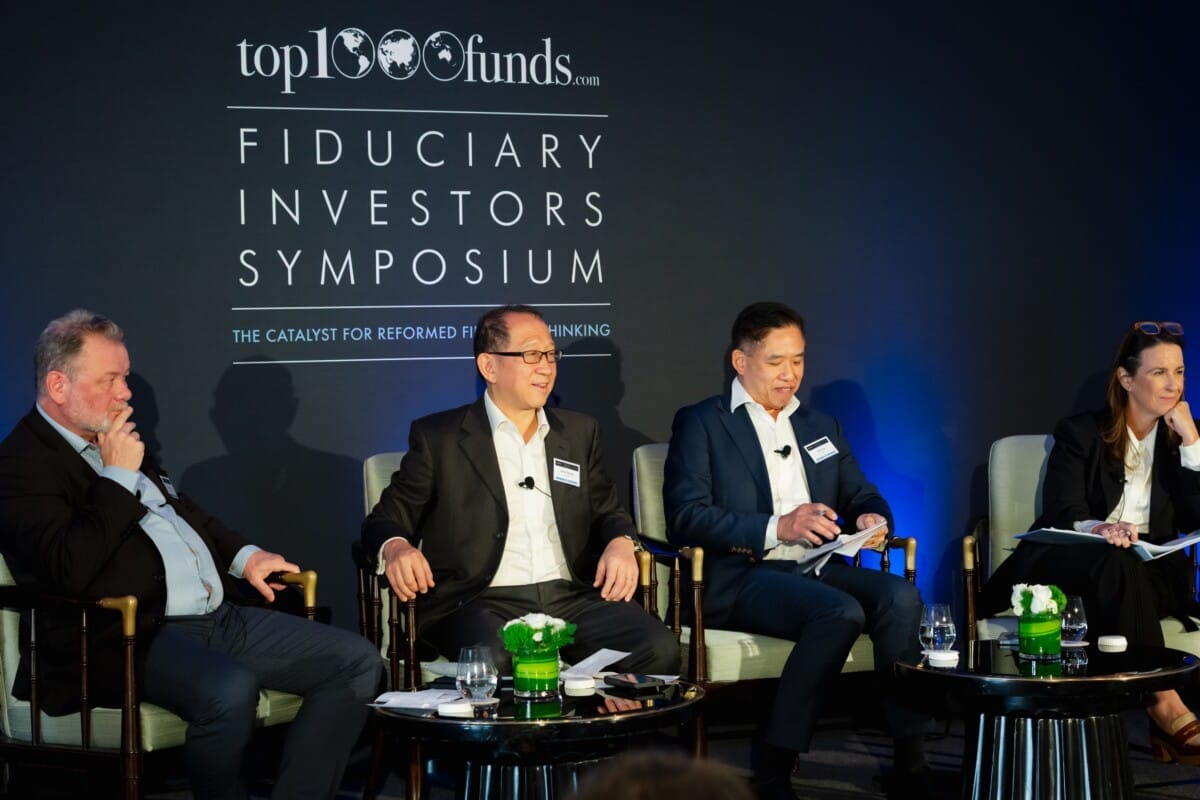
As artificial intelligence models become more sophisticated, asset owners and managers are rethinking portfolio construction as an activity sitting at the nexus of human and machine, which means gaining an edge over the market increasingly needs investors to tap into the wisdom from both sources.
In this handy guide, we share the knowledge and experience we have gained from decades of sustainable investing.
Asset owners and managers can help solve modern slavery and invest to stem the suffering of the 40.3 million workers in the world trapped in some form of labour abuse.
Impact investment and its combination of financial returns and social or environmental purpose is beginning to move from fringe to the financial mainstream in part because the long-held concept that investment should only maximise shareholder value is beginning to fade.
Investment in the 17 SDGs is growing, but SDG 16, and its call to promote peaceful and inclusive societies for sustainable development, gets the least investor attention. Yet the idea that investors can mobilise their capital to nurture peace is wholly possible.
Startlingly few institutional investors have allocations to life sciences. An informal poll of 85 asset owners from 20 countries responsible for a combined $9 trillion assets under management gathered at the Fiduciary Investors’ Symposium at Harvard University, found only a tiny handful active in the sector. Yet allocating to biotech makes an important contribution to society - investing in the sector can help change lives.
CalPERS is conducting searches for outside partners to run its new Pillar III private equity program focused on venture capital investment in life sciences, technology and healthcare.






Top1000funds.com is the market leading news and analysis site for the world’s largest institutional investors. It focuses on leading the global investment industry to continuous improvement through case studies of best practice in governance and decision making, portfolio construction and efficient portfolio management, fees and costs, and sustainable investing.
The publication pushes the industry to question whether status quo processes and behaviours to tackle risks and opportunities will be sufficient in the future, and actively campaigns for diversity, sustainability, transparency, innovation and better alignment of fees in the investment industry.
Top1000funds.com is read by investment professionals in more than 40 countries.

Featured Story