
CalPERS hunts for third pillar PE teams
CalPERS is conducting searches for outside partners to run its new Pillar III private equity program focused on venture capital investment in life sciences, technology and healthcare.
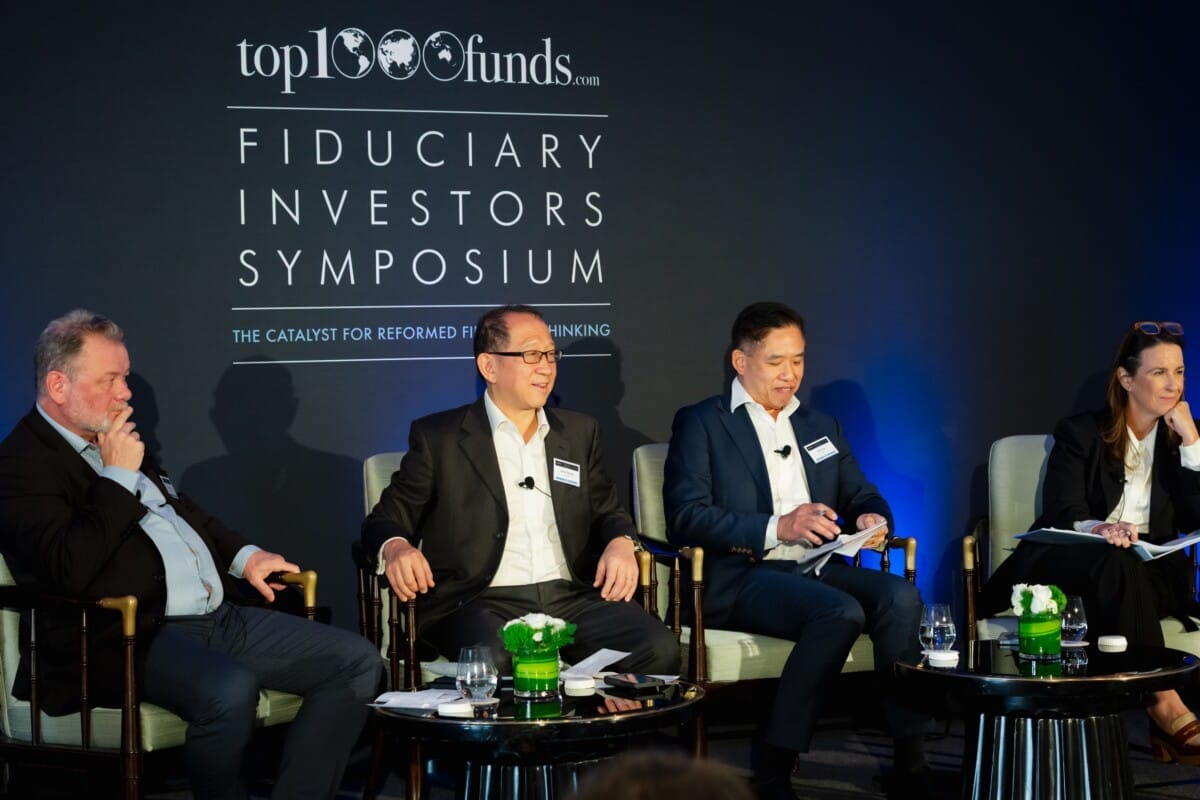
As artificial intelligence models become more sophisticated, asset owners and managers are rethinking portfolio construction as an activity sitting at the nexus of human and machine, which means gaining an edge over the market increasingly needs investors to tap into the wisdom from both sources.
The global economy is increasingly bifurcated between the US, Europe and Asia and how the growth projections and geopolitical risks between these regions plays out is of increasing interest to institutional investors. The Fiduciary Investors Symposium in Singapore will look at the return and impact opportunities in the region, and the importance of Asia in the global economy.
It will examine the global economy in the context of the west adapting to a rising Asia; technology decoupling between the US and China; the impact of COVID-19 on Asian economies; the leading role of Asia in technology, smart cities, digitalisation and fintech; ESG risks and opportunities; and portfolio resilience to different macro-economic regimes.
The conference enables asset owners from around the world to explore investment themes, risks and opportunities with their global peers, and explore cutting edge approaches to risk management, liquidity management and portfolio construction.
CalPERS is conducting searches for outside partners to run its new Pillar III private equity program focused on venture capital investment in life sciences, technology and healthcare.
Demographic trends will have a profound impact on pension funds’ investment returns, argued Patrick Zweifel, chief economist at Pictet Asset Management speaking at the Fiduciary Investors’ Symposium at Harvard University. He said ageing populations mean retirement ages need to rise and will see pension funds increase risk to stretch for returns.
Look no further than the economic travails of Italy and Japan to see the perils of Modern Monetary Theory, MMT, said Sonal Desai, CIO, fixed income at Franklin Templeton. Speaking at the Fiduciary Investors’ Symposium at Harvard University, she countered the arguments of Stephanie Kelton, a leading MMT scholar at Stony Brook University and senior economic advisor to presidential candidate, Senator Bernie Sanders who espoused the virtues of MMT in a previous session MMT: A solution to broken policy?
The Fiduciary Investors Symposium at Harvard University brought together more than 85 asset owners from 20 countries to discuss globalisation, human capital, inequality, longevity, technology, medicine and ethics, and the role of institutional capital in creating real change in the world. We were joined by many distinguished speakers and have put together a podcast series of our favourite sessions.
William Haseltine had a long career at Harvard Medical School, educating a generation of doctors, and designing the strategy to develop the first treatment for HIV/AIDS. He addressed the Fiduciary Investors Symposium about important topics in medicine and health development.
A full-blown trade war, and changes in monetary policy triggered by a loss of credibility in the Federal Reserve and other global policy institutions, could result in a return of the positive correlation between bonds and stocks, and investors need to be aware of the risk, warned Luis Viceira, George E. Bates Professor in the Finance Unit and Senior Associate Dean for Executive Education at Harvard Business School, at the Fiduciary Investors’ Symposium at Harvard University.

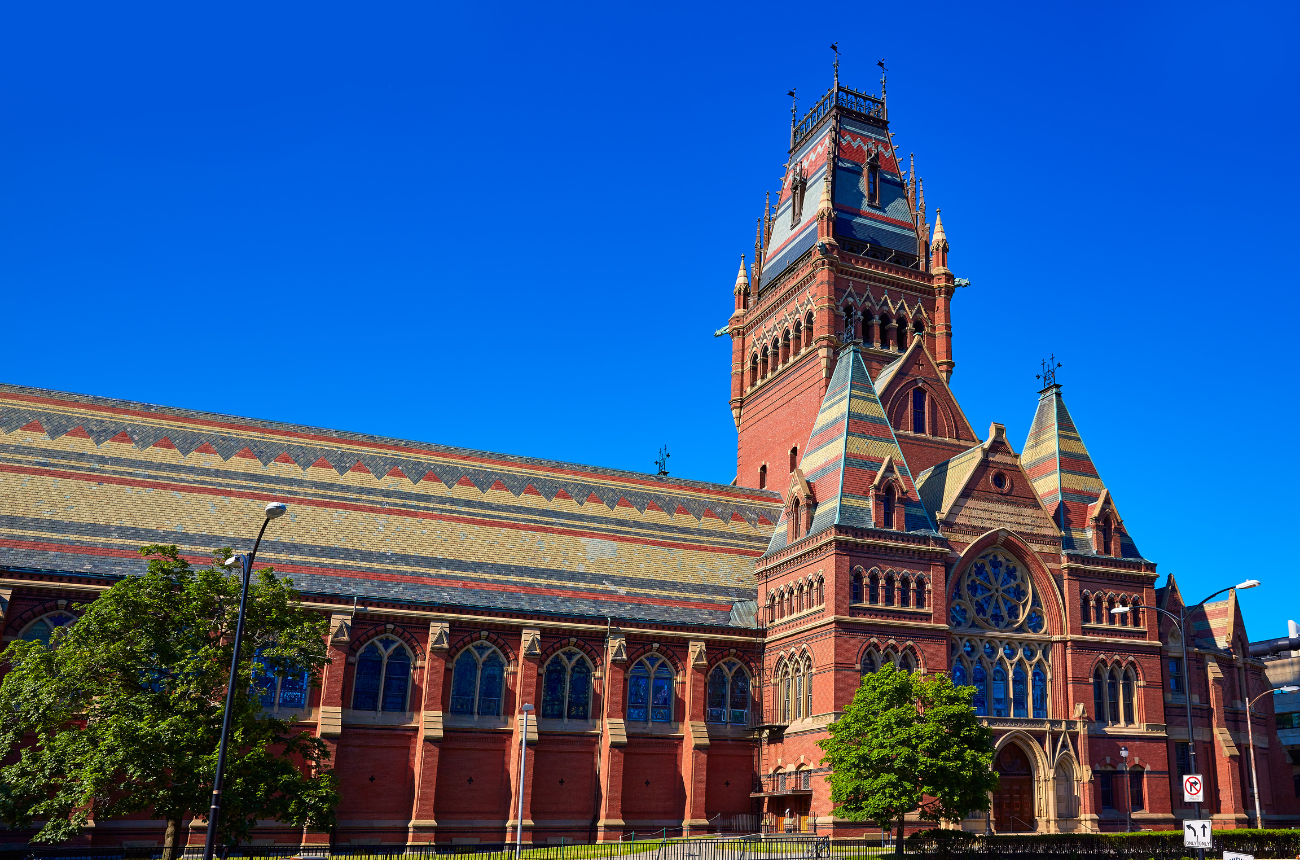
This event looks at the challenges long-term investors face in an environment of disruption including ongoing geopolitical risk and shifts in global economic dynamics. By accessing faculty of Harvard’s esteemed university, this event will leave investors empowered to tackle disruption in their portfolios and working lives.
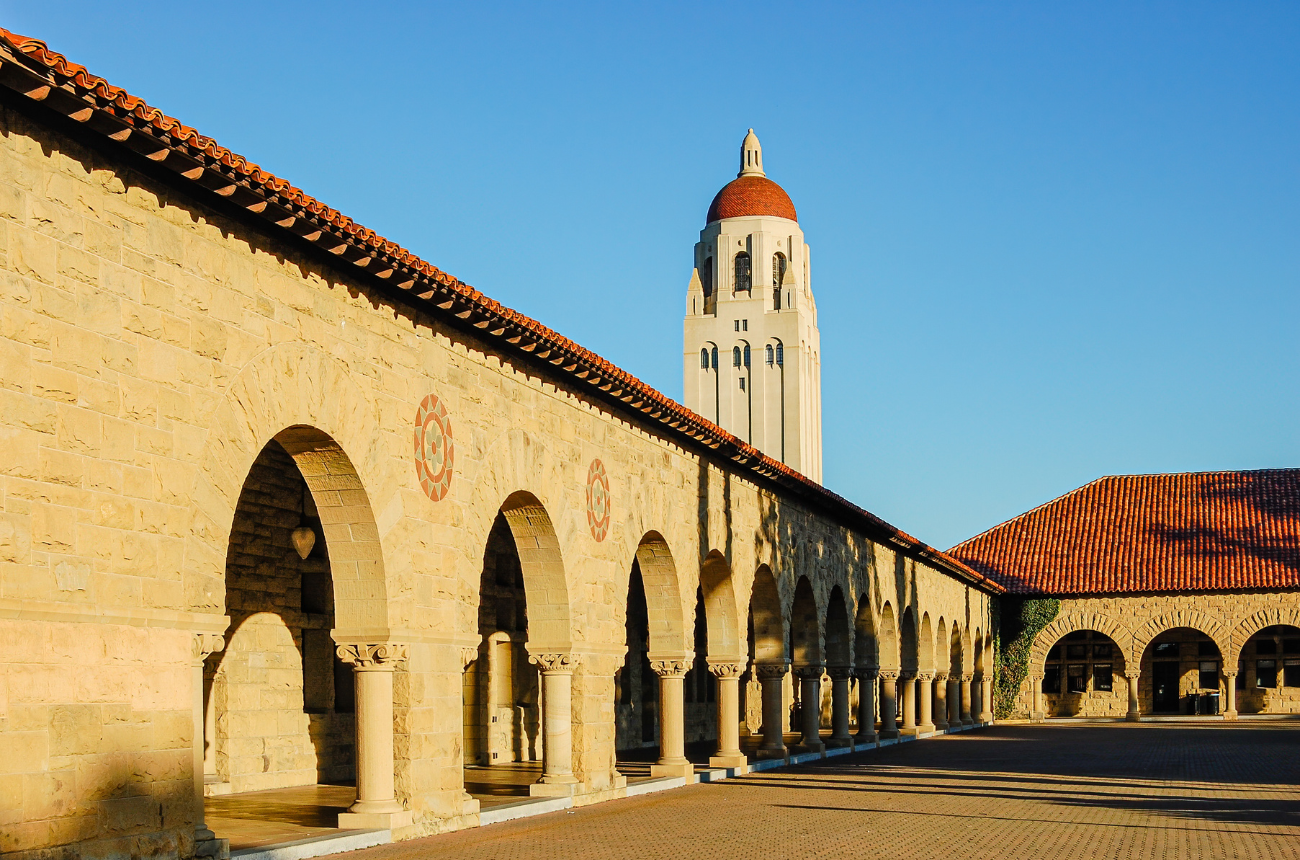
The Fiduciary Investors Symposium at Stanford University celebrates the fast-moving change taking place in economies and communities and will examine the impact of innovation on our lives, workplaces and investments.





Top1000funds.com is the market leading news and analysis site for the world’s largest institutional investors. It focuses on leading the global investment industry to continuous improvement through case studies of best practice in governance and decision making, portfolio construction and efficient portfolio management, fees and costs, and sustainable investing.
The publication pushes the industry to question whether status quo processes and behaviours to tackle risks and opportunities will be sufficient in the future, and actively campaigns for diversity, sustainability, transparency, innovation and better alignment of fees in the investment industry.
Top1000funds.com is read by investment professionals in more than 40 countries.

Featured Story