
The economics of a pandemic
This lecture by professors of economics at the London Business School looks at the science, health policies, economics and macroeconomic policies related to COVID-19.
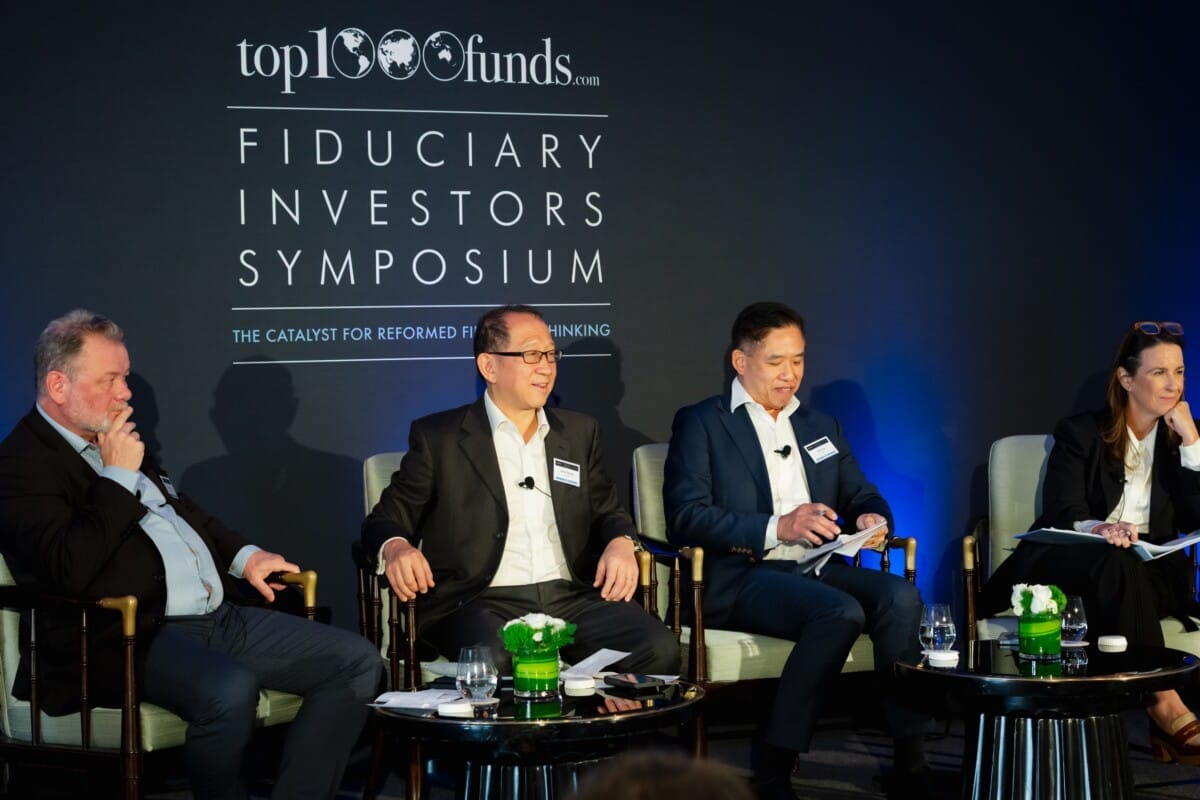
As artificial intelligence models become more sophisticated, asset owners and managers are rethinking portfolio construction as an activity sitting at the nexus of human and machine, which means gaining an edge over the market increasingly needs investors to tap into the wisdom from both sources.
The global economy is increasingly bifurcated between the US, Europe and Asia and how the growth projections and geopolitical risks between these regions plays out is of increasing interest to institutional investors. The Fiduciary Investors Symposium in Singapore will look at the return and impact opportunities in the region, and the importance of Asia in the global economy.
It will examine the global economy in the context of the west adapting to a rising Asia; technology decoupling between the US and China; the impact of COVID-19 on Asian economies; the leading role of Asia in technology, smart cities, digitalisation and fintech; ESG risks and opportunities; and portfolio resilience to different macro-economic regimes.
The conference enables asset owners from around the world to explore investment themes, risks and opportunities with their global peers, and explore cutting edge approaches to risk management, liquidity management and portfolio construction.
This lecture by professors of economics at the London Business School looks at the science, health policies, economics and macroeconomic policies related to COVID-19.
This report argues the G20 not only should but can be meaningfully useful to recovery from the COVID-19 pandemic. It looks at the role of G20 in designing a fiscal response, strengthening access to vital medical supplies and ensuring global food security.
Investors allocate to private equity with the expectation of achieving superior returns relative to public-market investments. This approach has generally paid off in corporate private equity with return premiums that have compensated investors for the risk of illiquidity. However, the same cannot be said for real estate private equity.
The global health crisis and recession have turned property markets upside down in dramatic fashion, as shelter-in-place orders have given certain tenants the economic and political cover to avoid or delay rent payments.
A guide to integrating sustainability across asset classes.
Reflections from Sonal Desai, chief investment officer, Franklin Templeton Fixed Income from the Franklin Templeton 2019 Global Investor Forum.

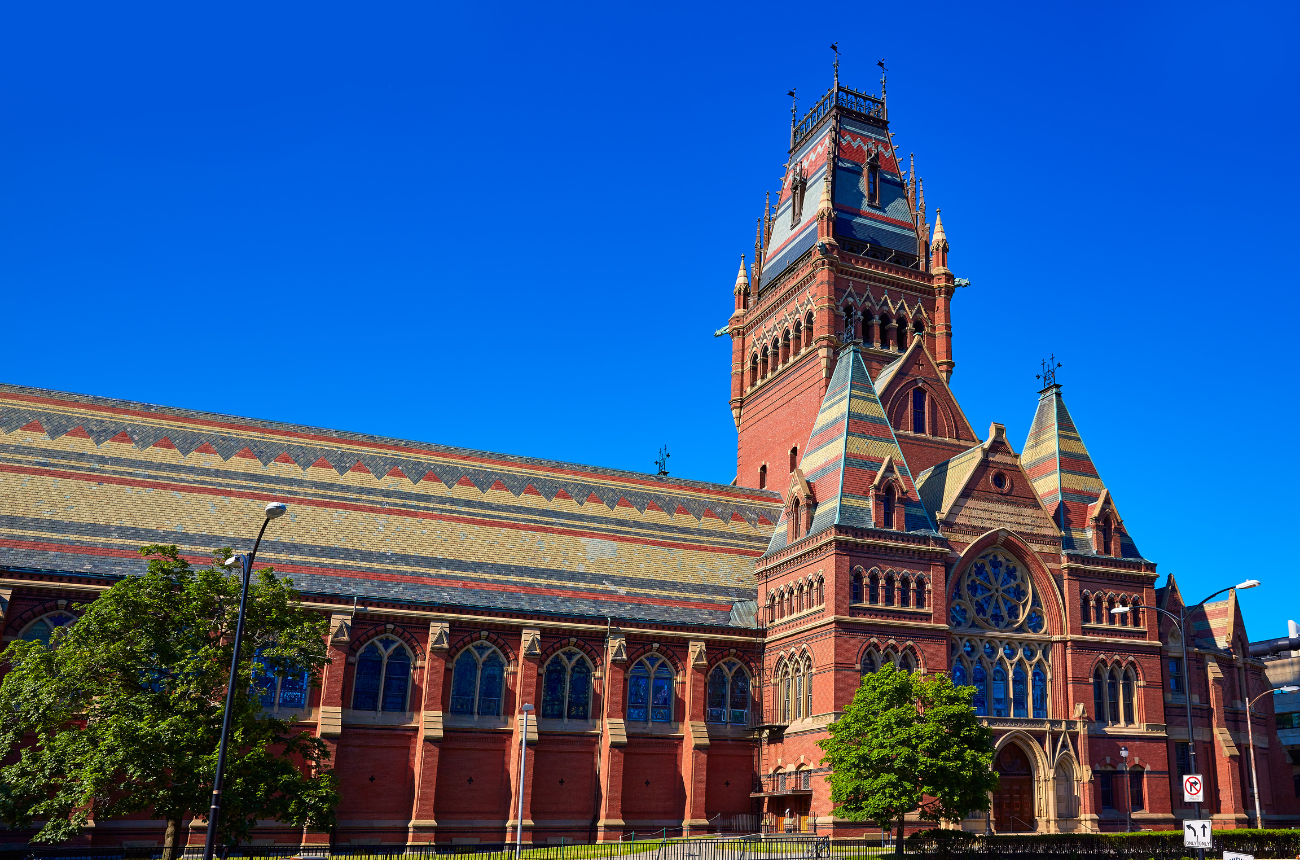
This event looks at the challenges long-term investors face in an environment of disruption including ongoing geopolitical risk and shifts in global economic dynamics. By accessing faculty of Harvard’s esteemed university, this event will leave investors empowered to tackle disruption in their portfolios and working lives.
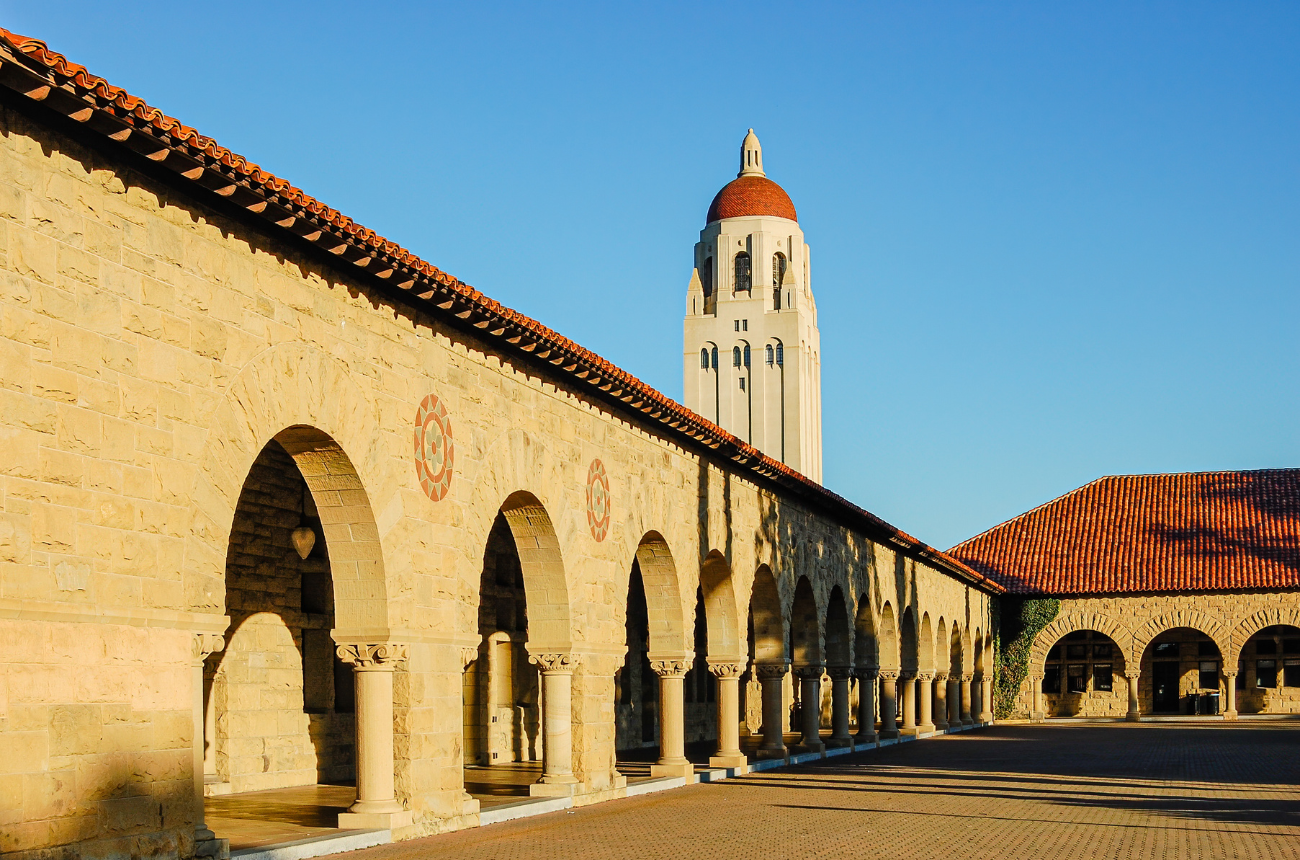
The Fiduciary Investors Symposium at Stanford University celebrates the fast-moving change taking place in economies and communities and will examine the impact of innovation on our lives, workplaces and investments.





Top1000funds.com is the market leading news and analysis site for the world’s largest institutional investors. It focuses on leading the global investment industry to continuous improvement through case studies of best practice in governance and decision making, portfolio construction and efficient portfolio management, fees and costs, and sustainable investing.
The publication pushes the industry to question whether status quo processes and behaviours to tackle risks and opportunities will be sufficient in the future, and actively campaigns for diversity, sustainability, transparency, innovation and better alignment of fees in the investment industry.
Top1000funds.com is read by investment professionals in more than 40 countries.

Featured Story