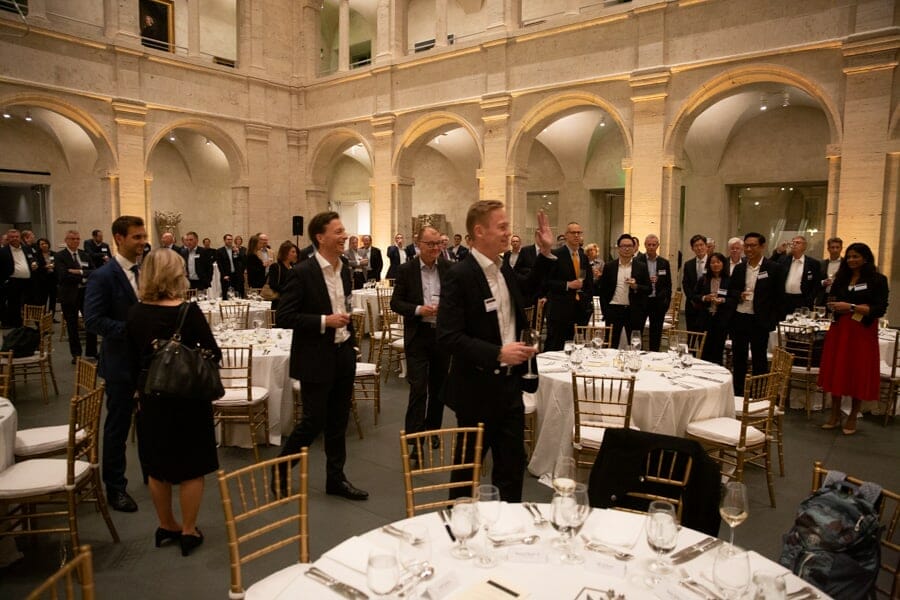
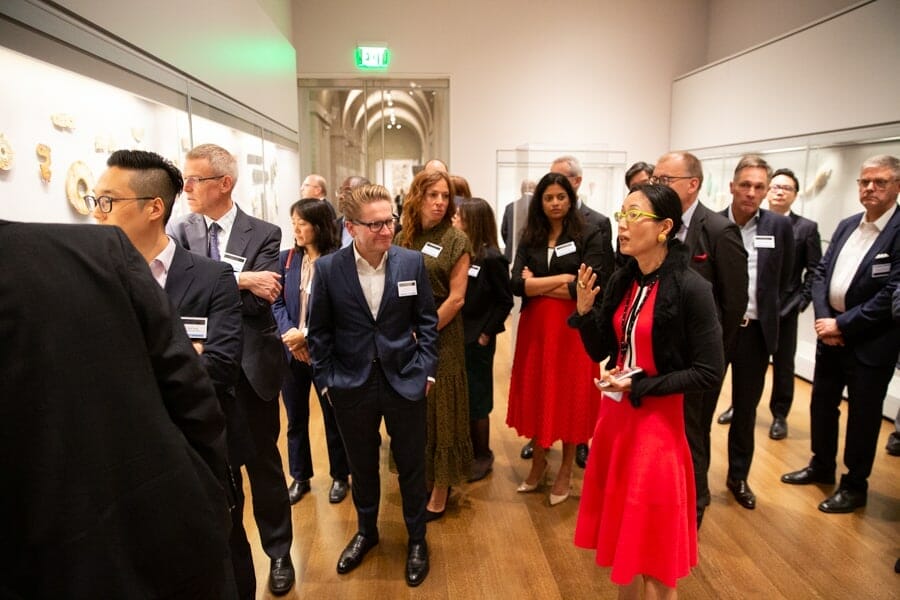
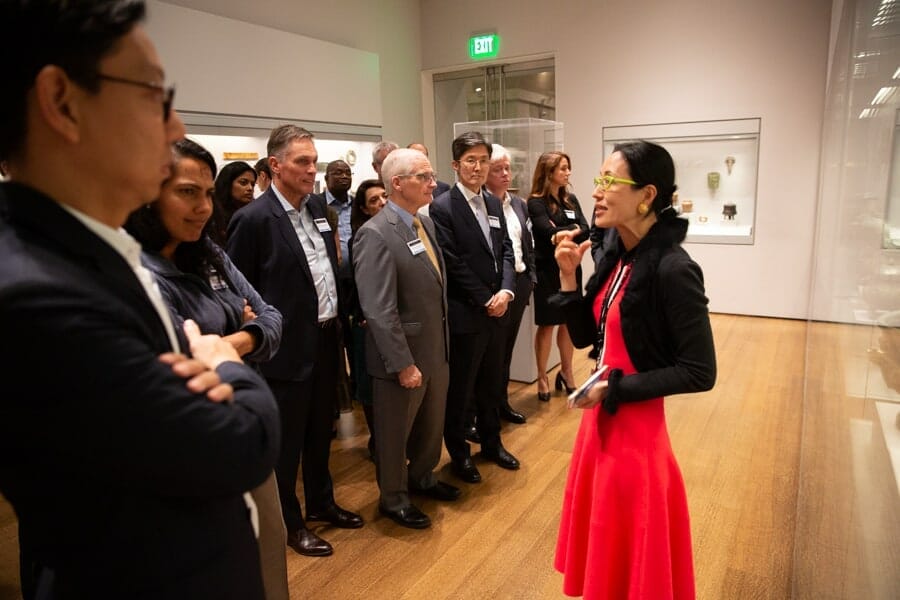
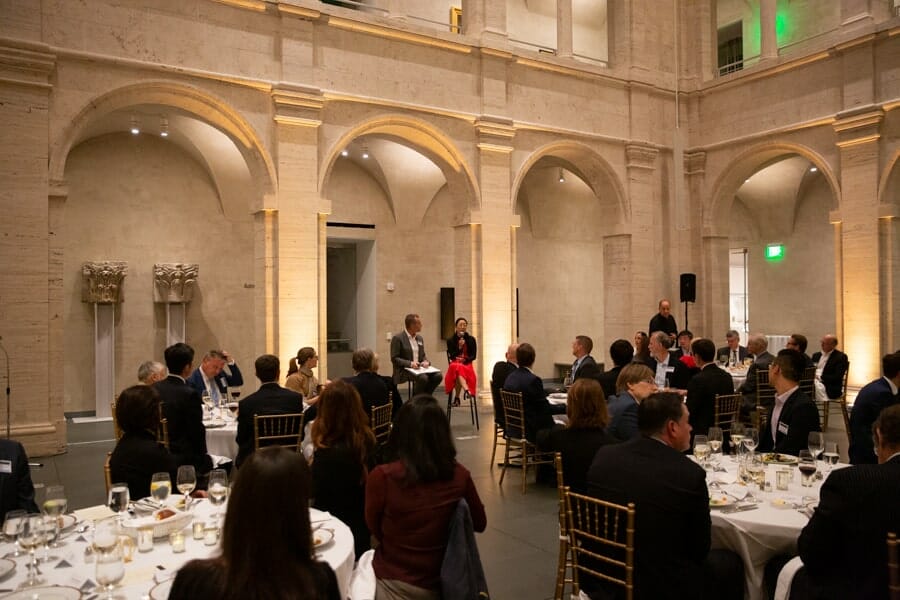
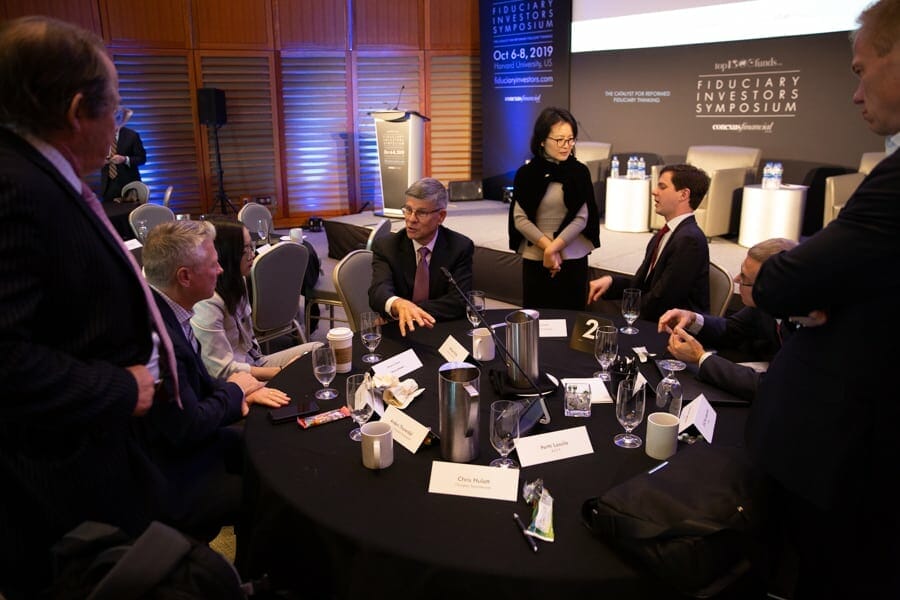
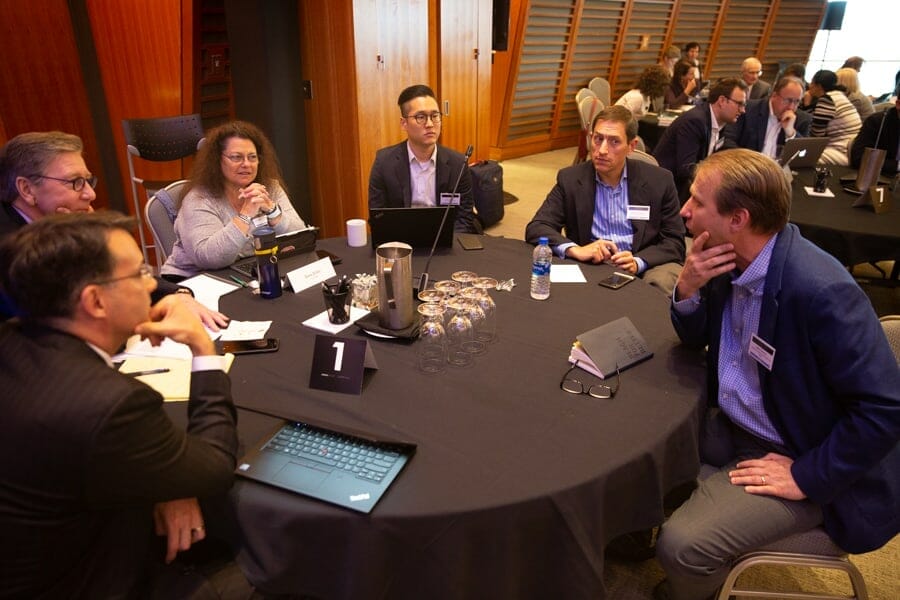
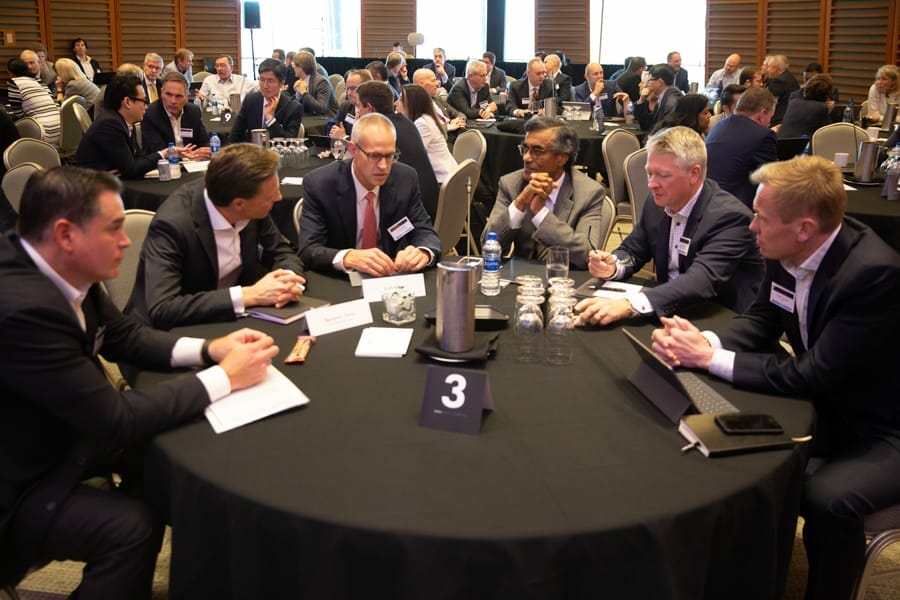
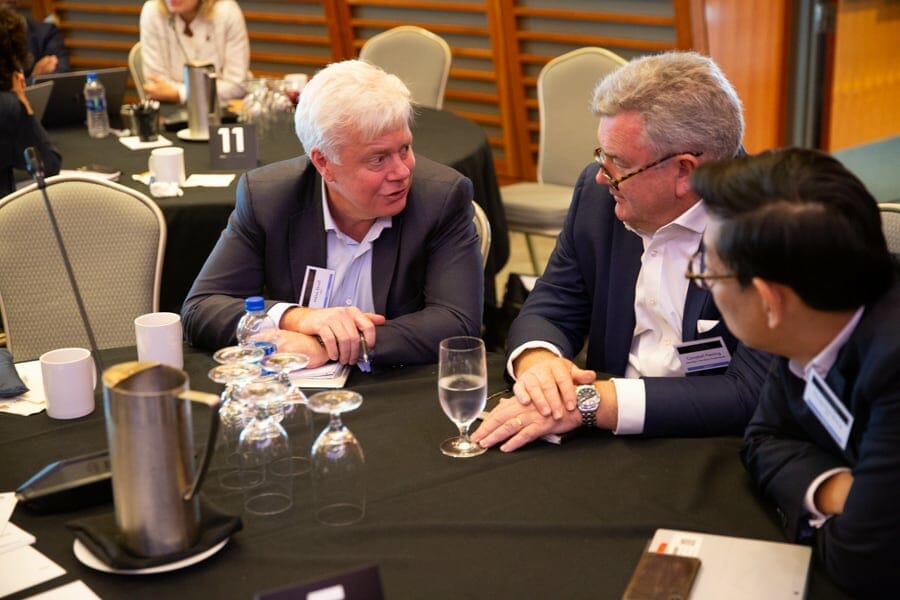
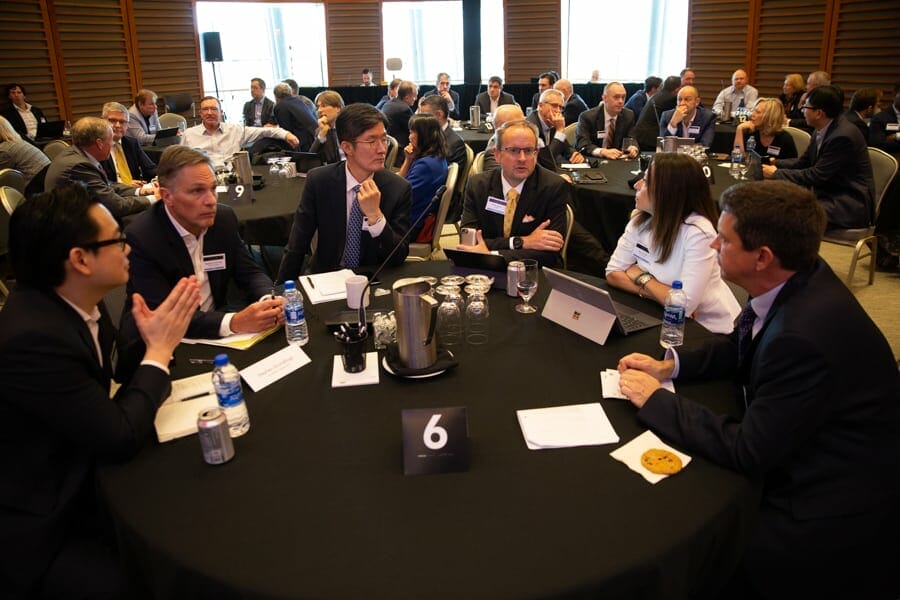
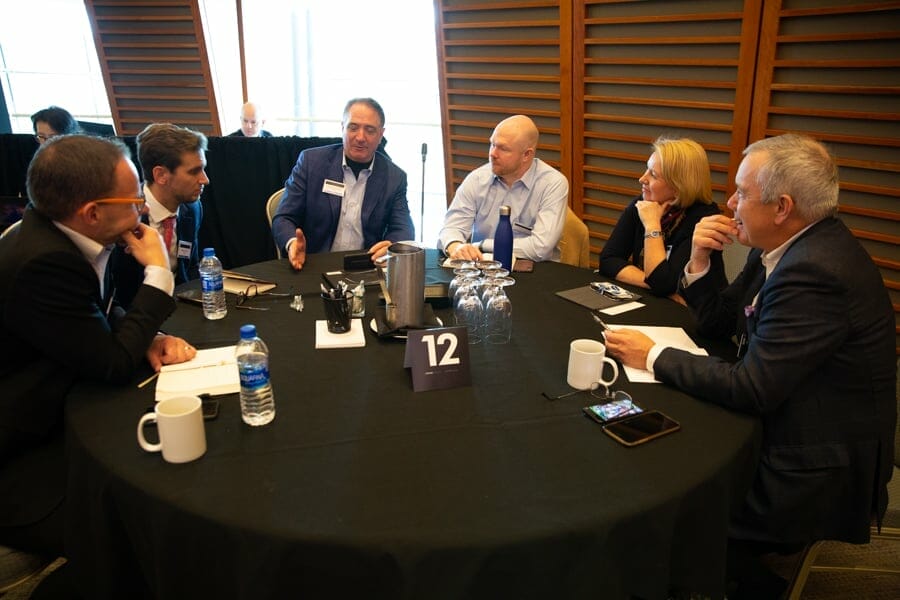
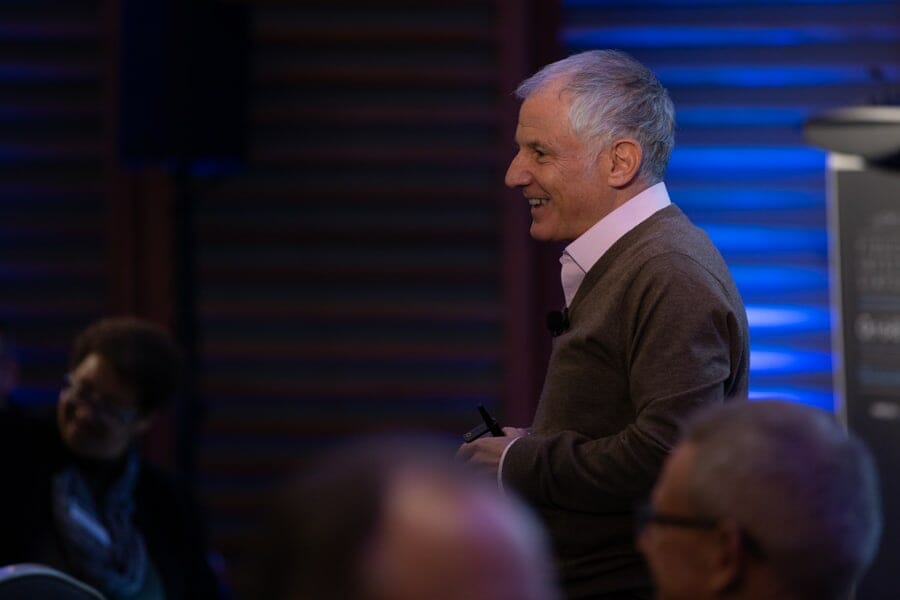
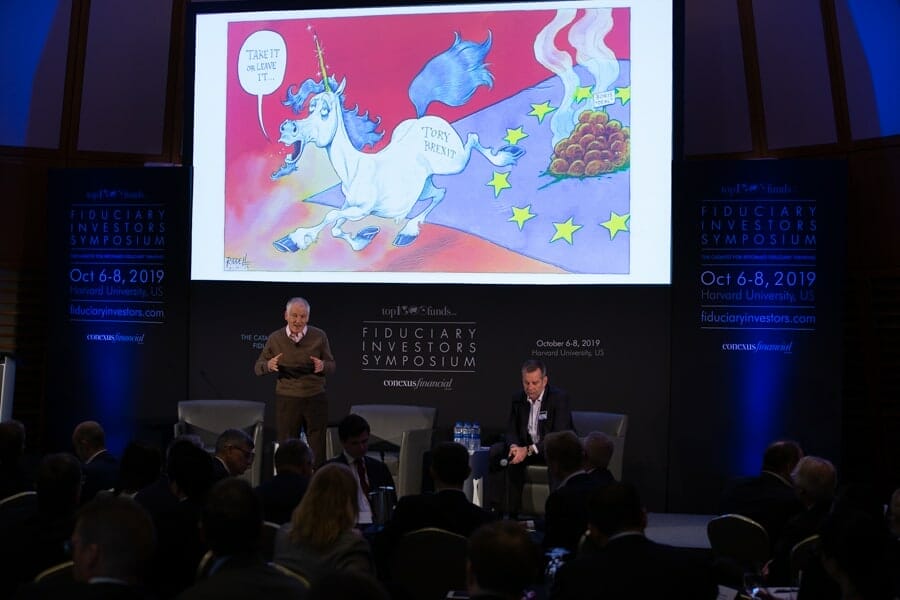
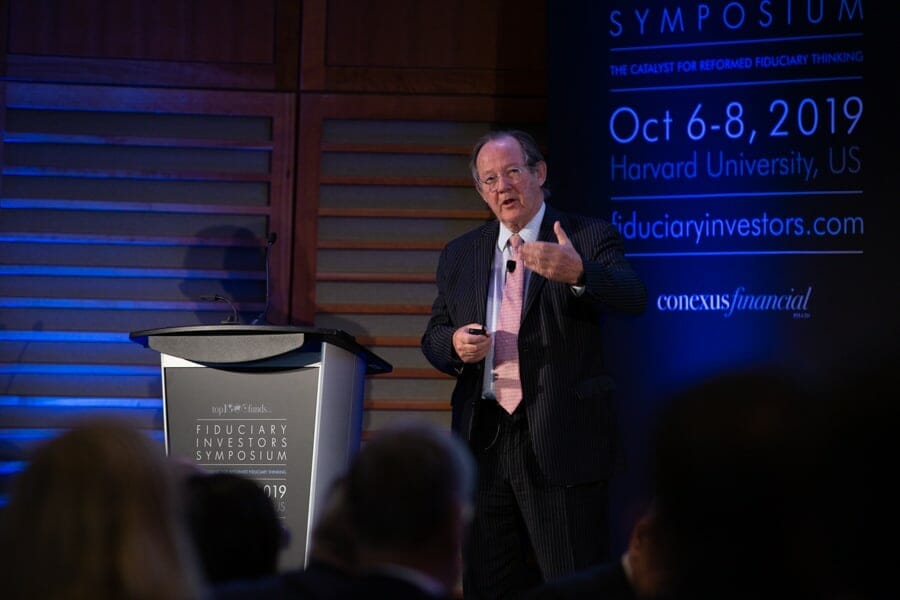
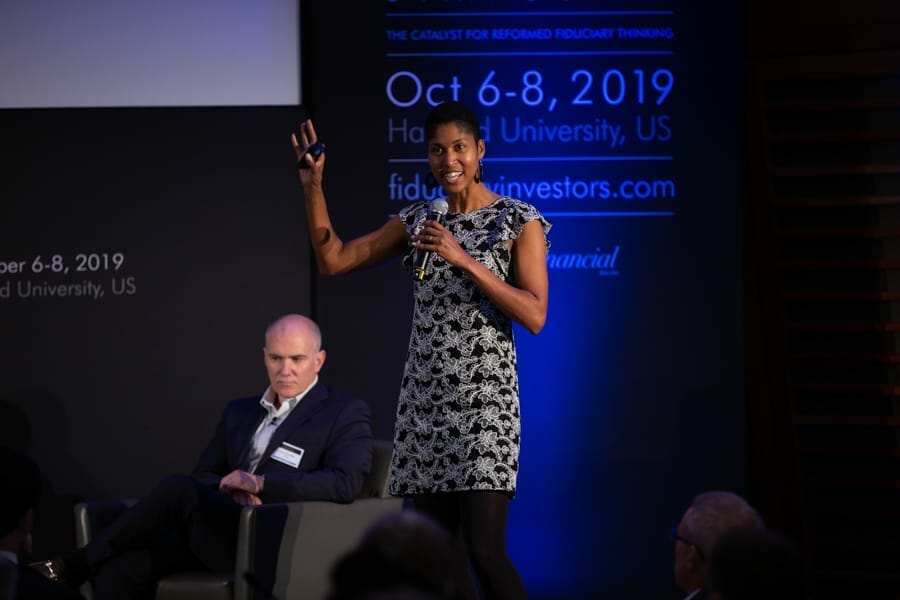
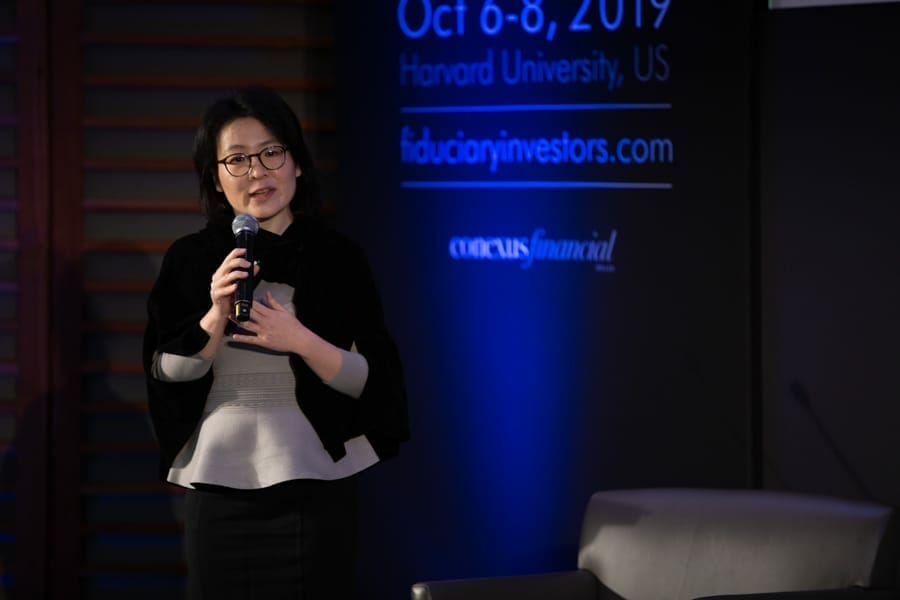
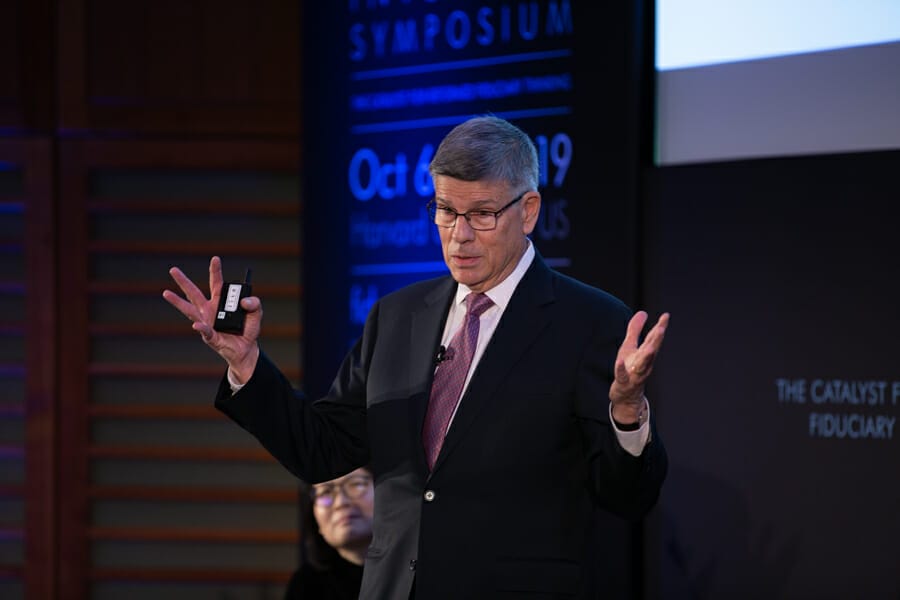
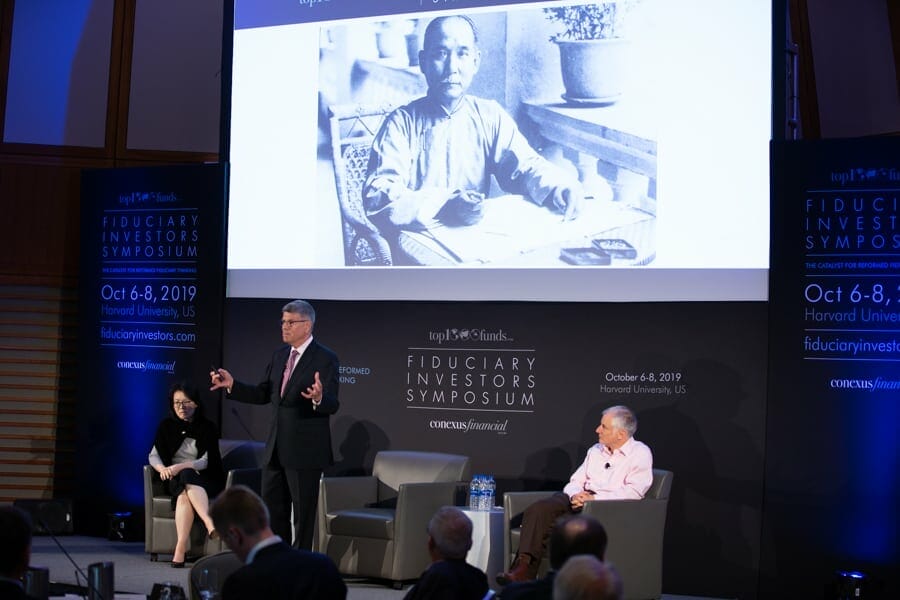
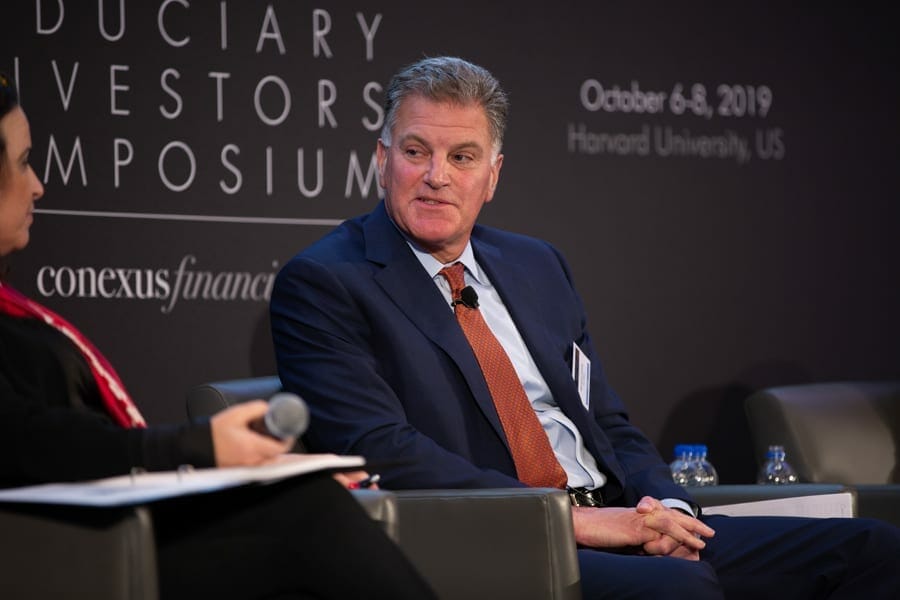
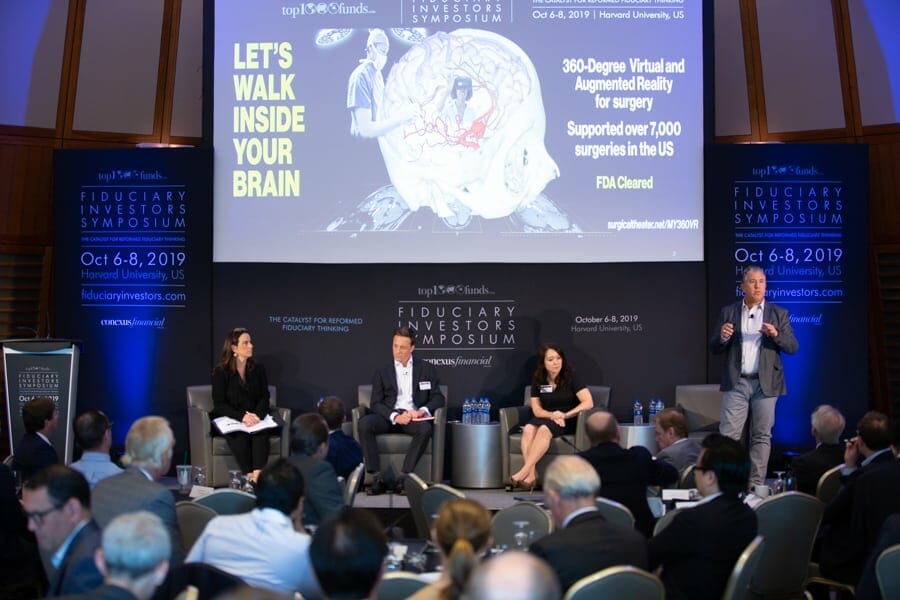
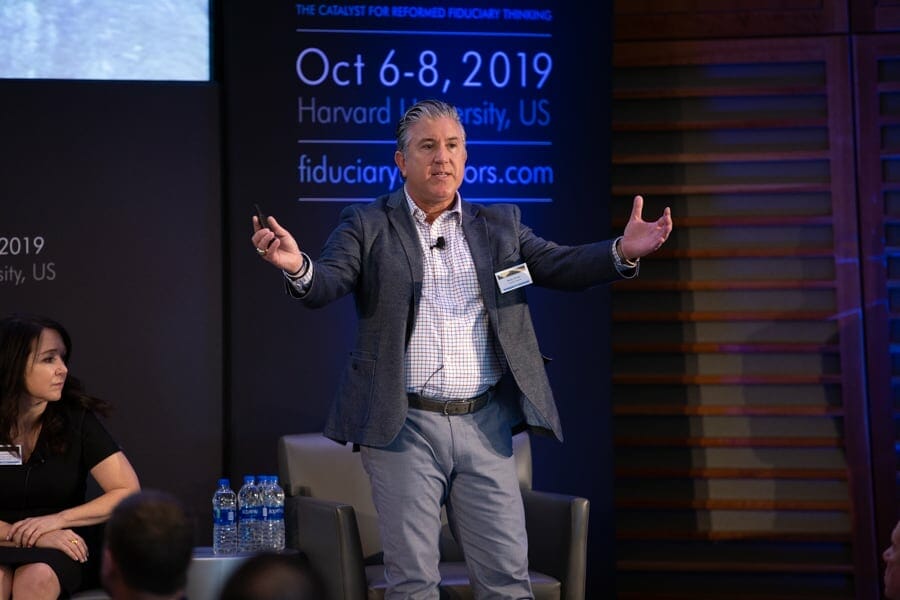
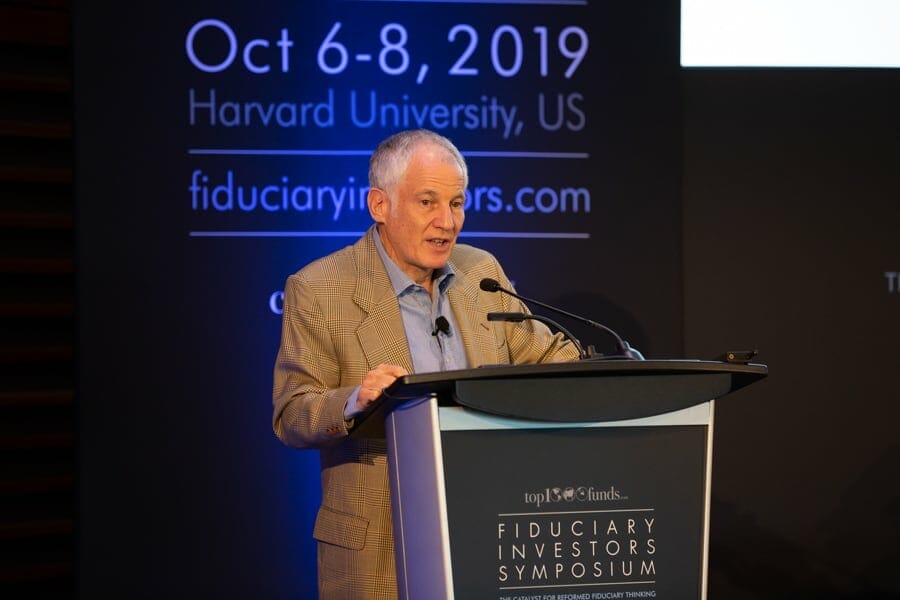
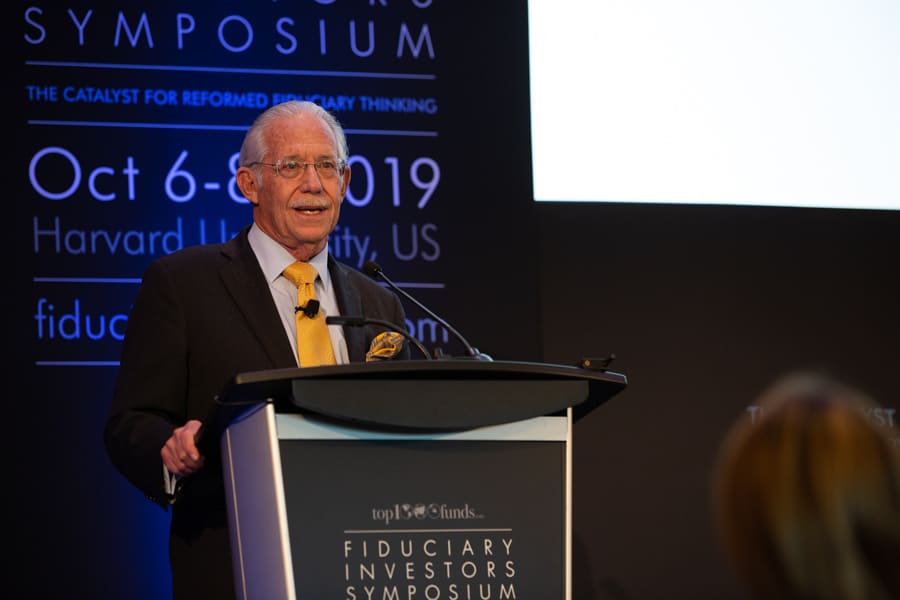
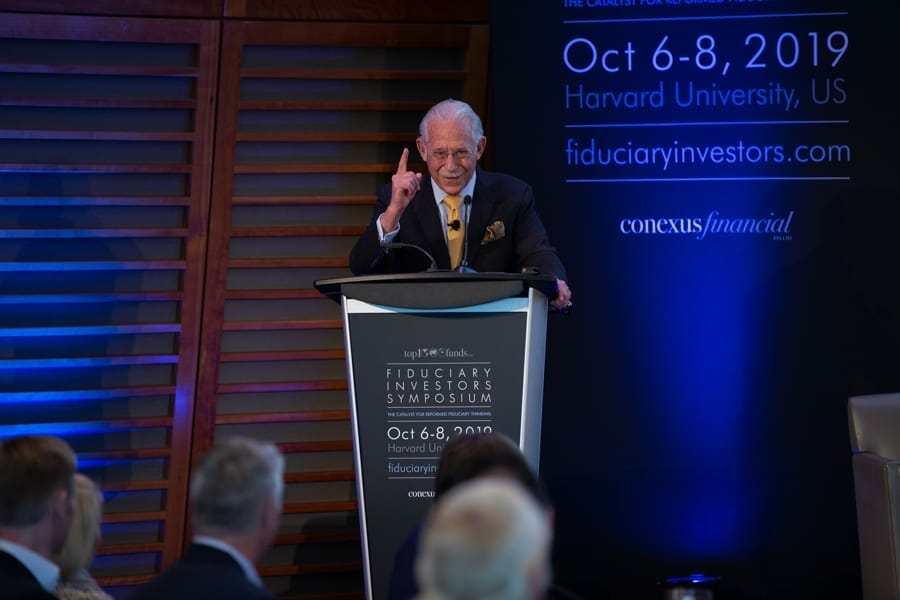
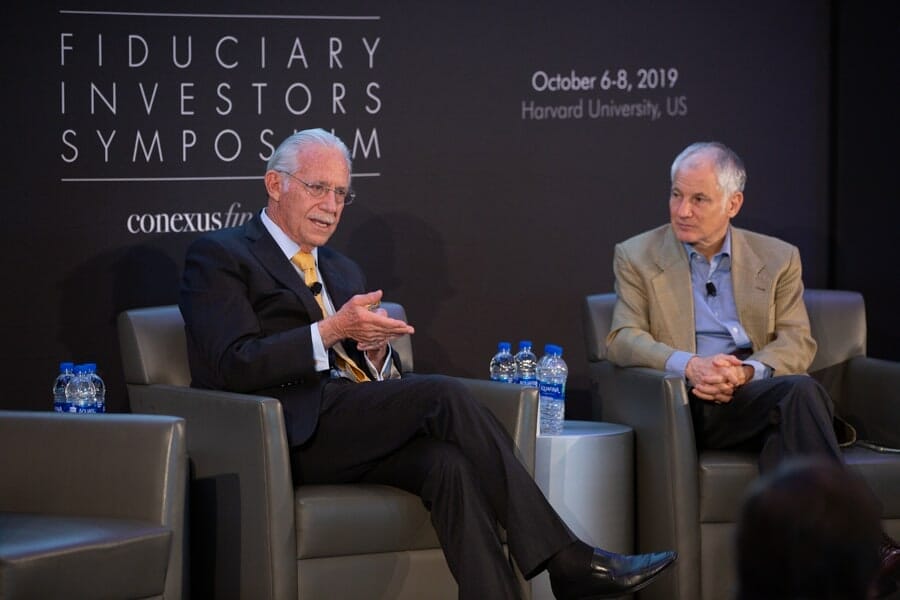
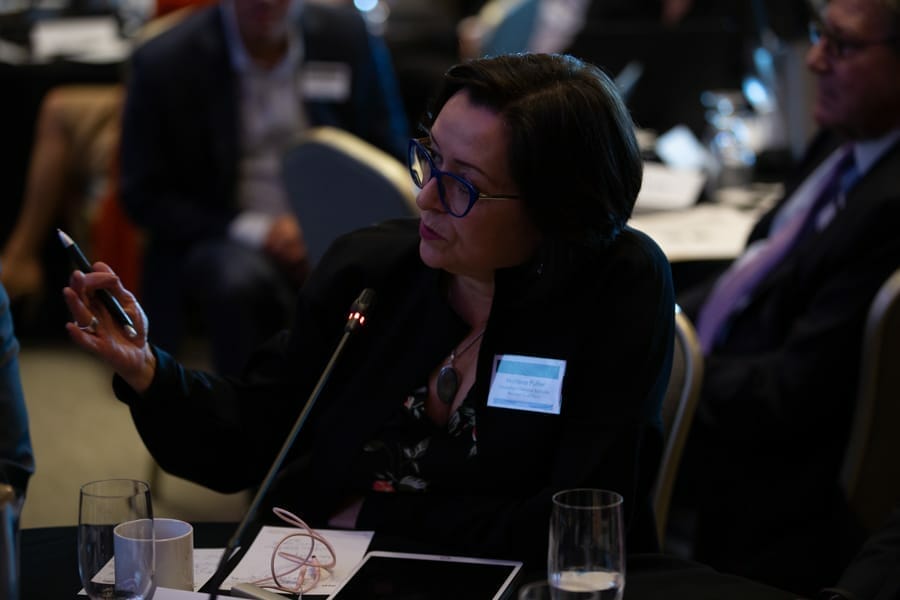
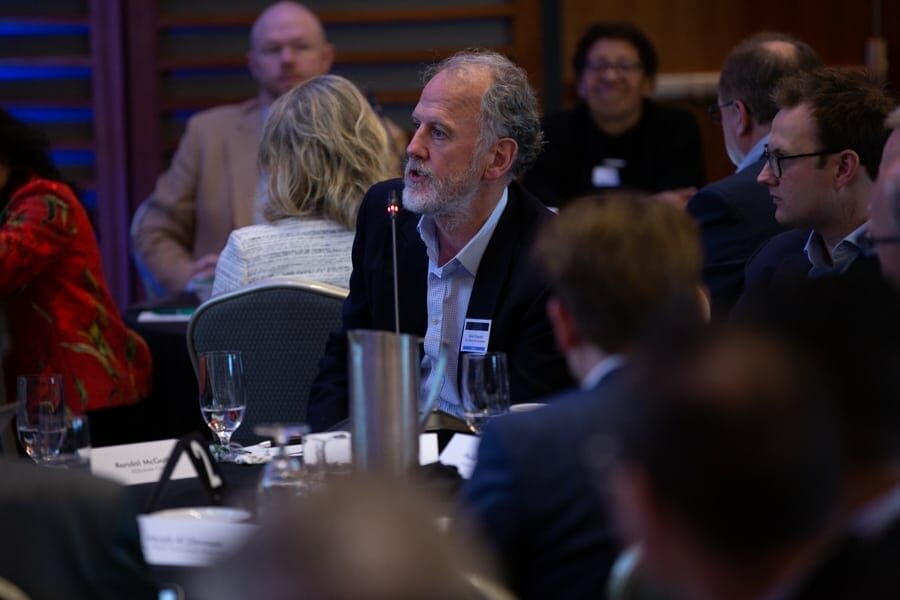
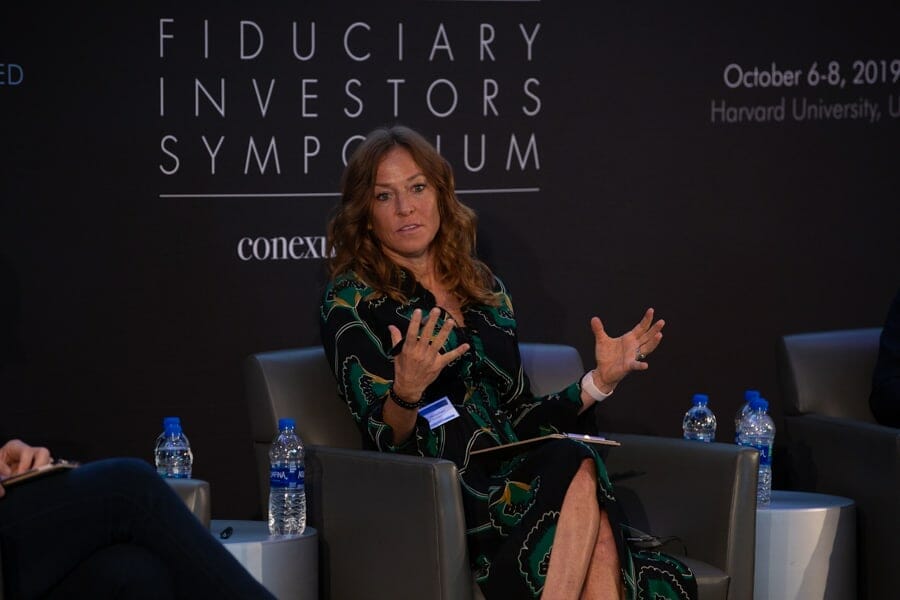
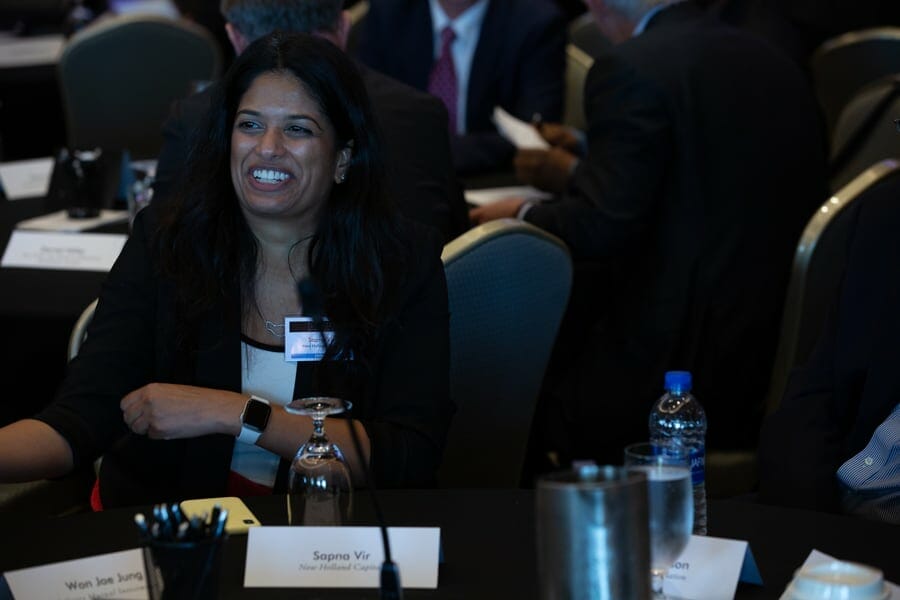
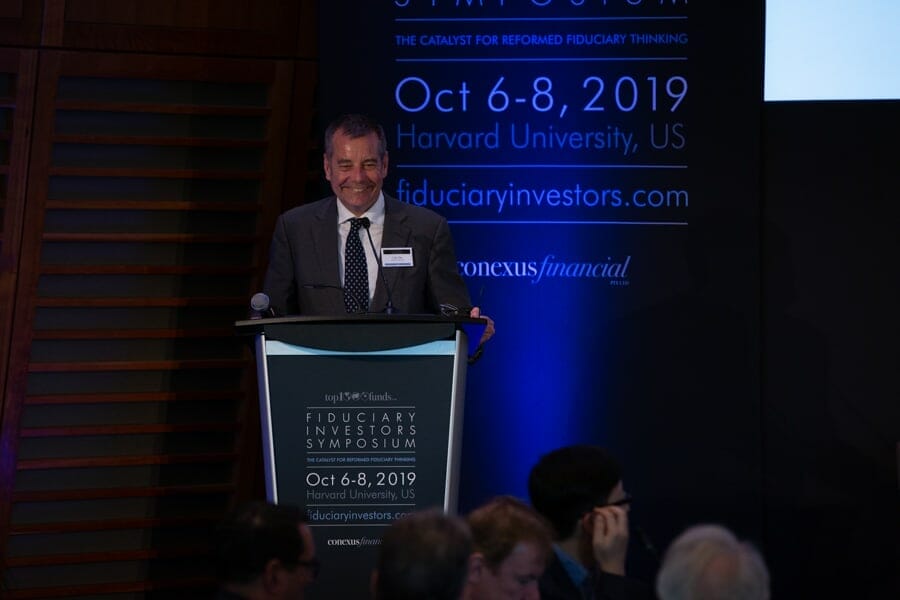
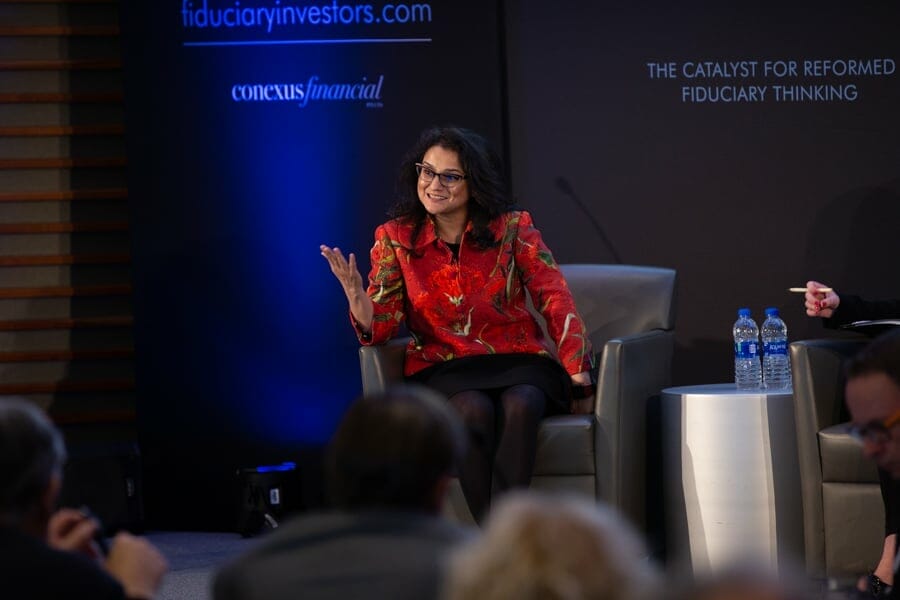
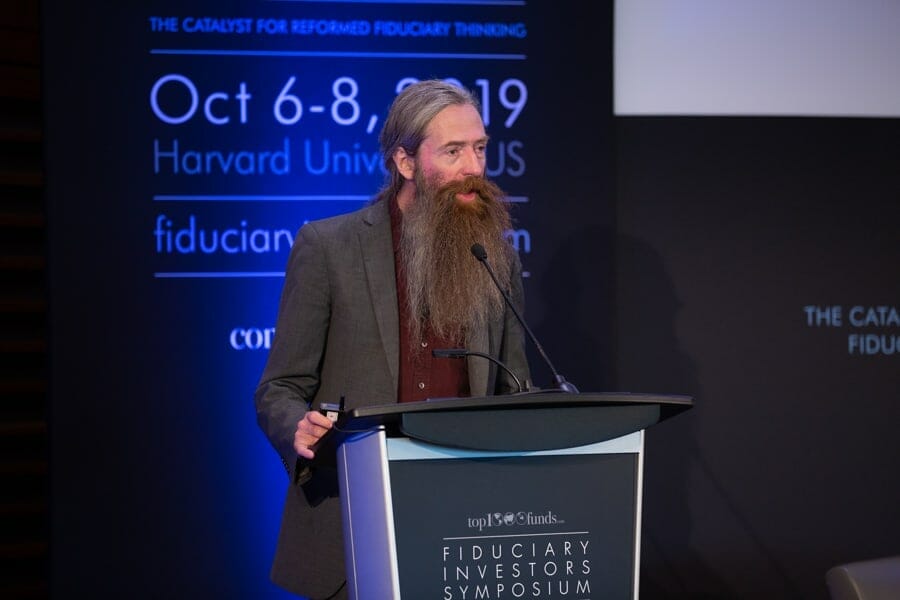
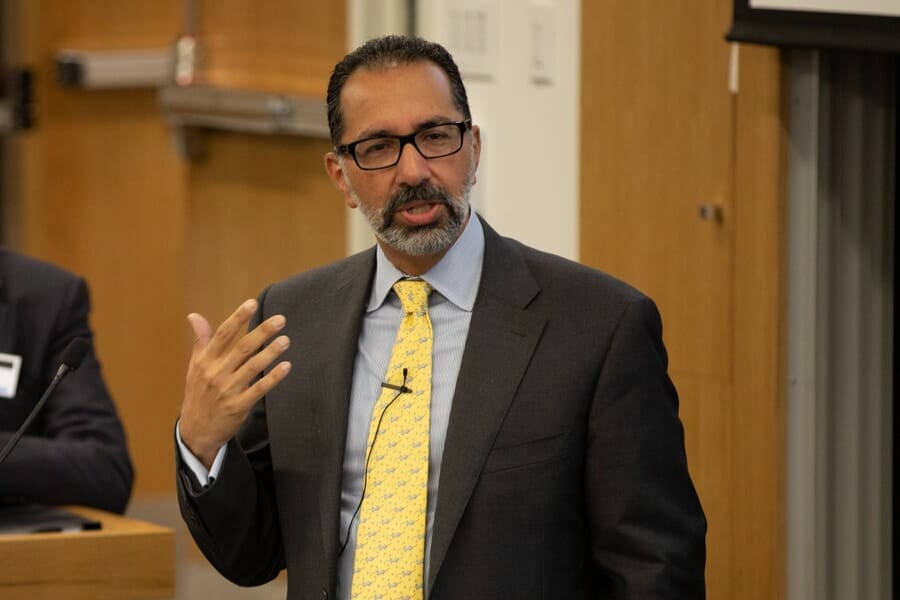
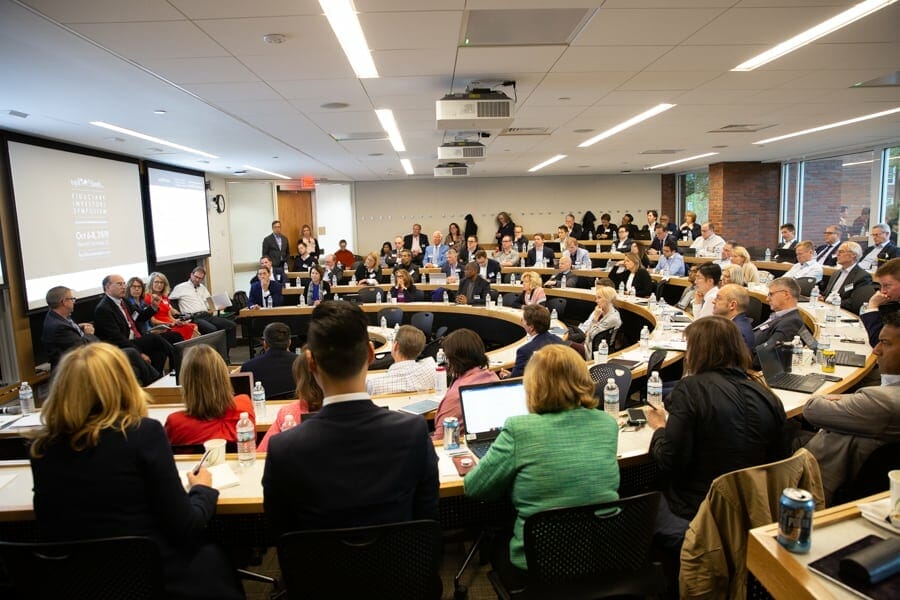
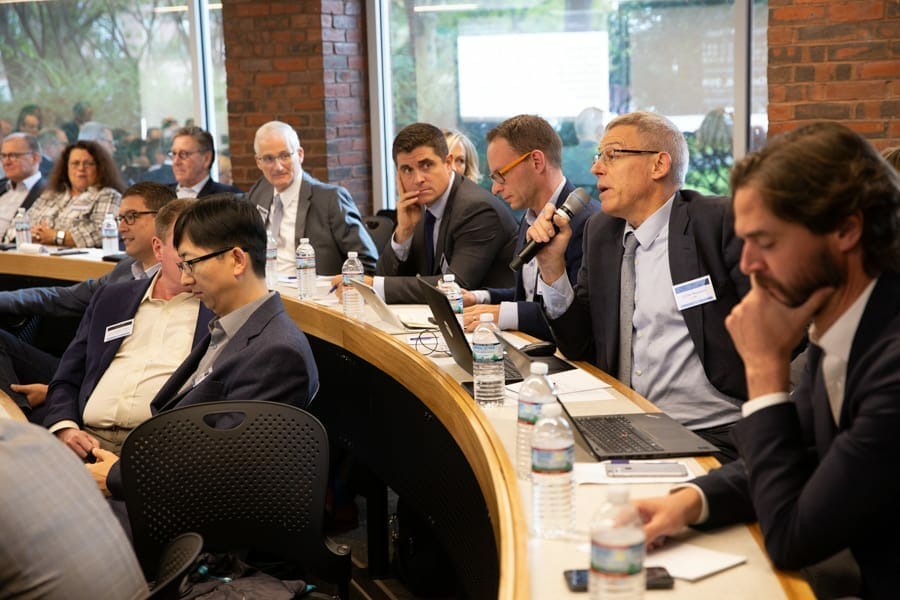
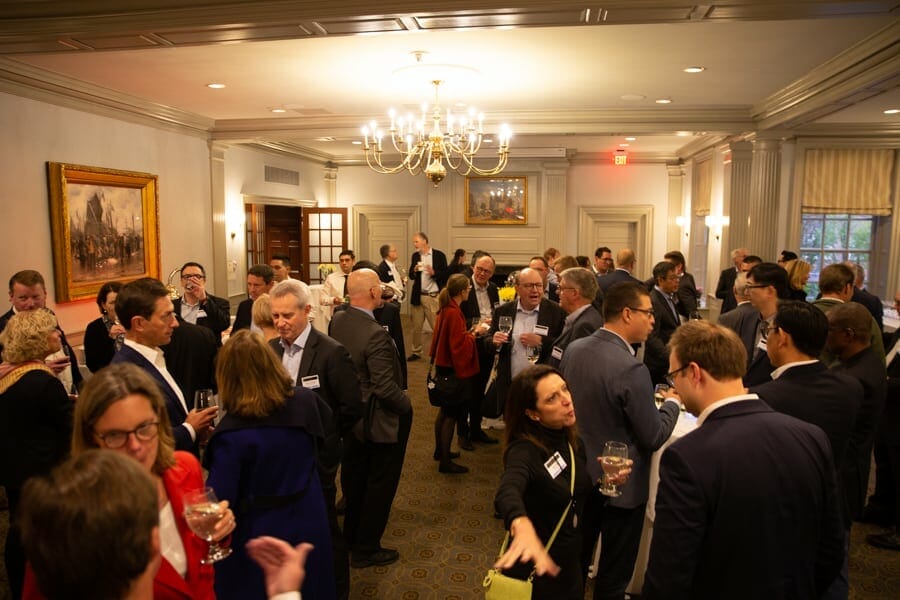
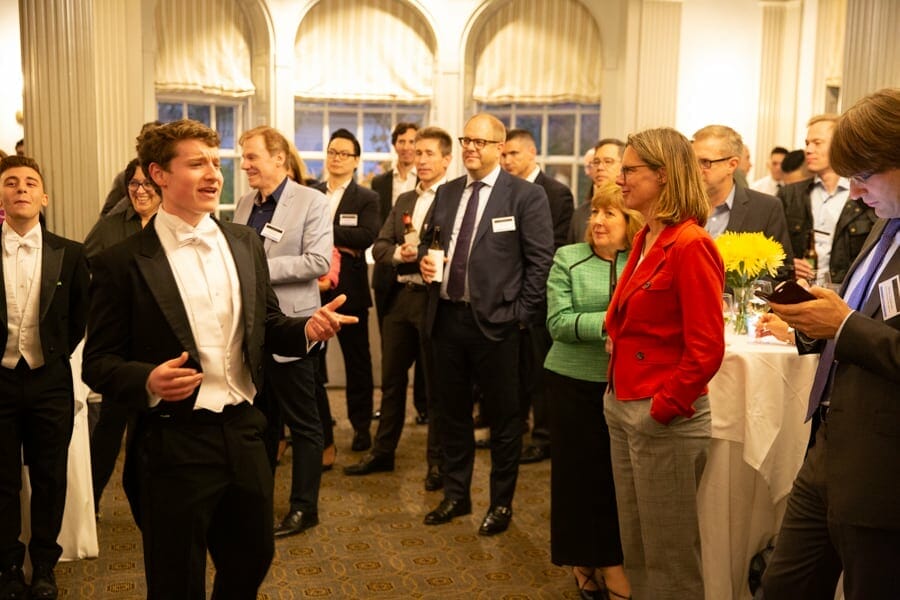
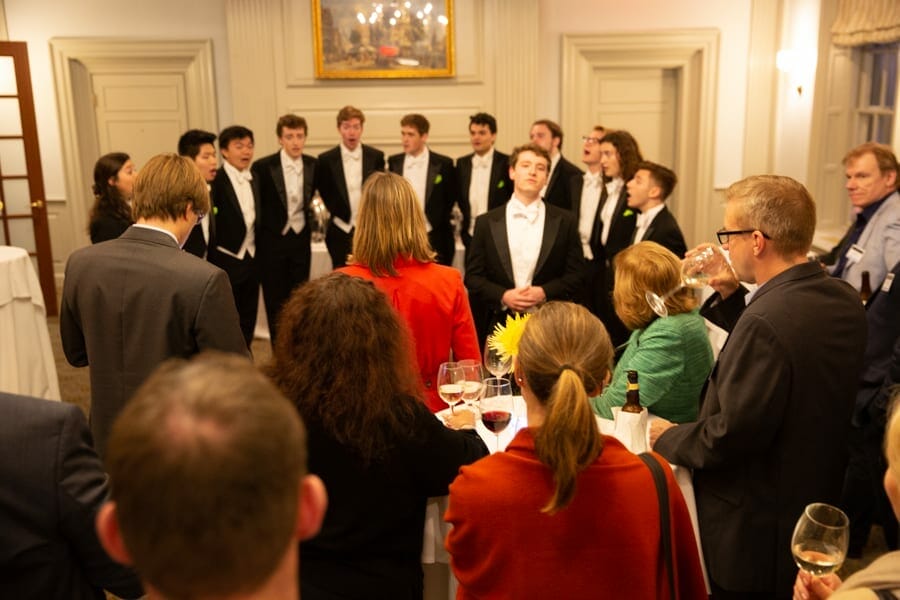
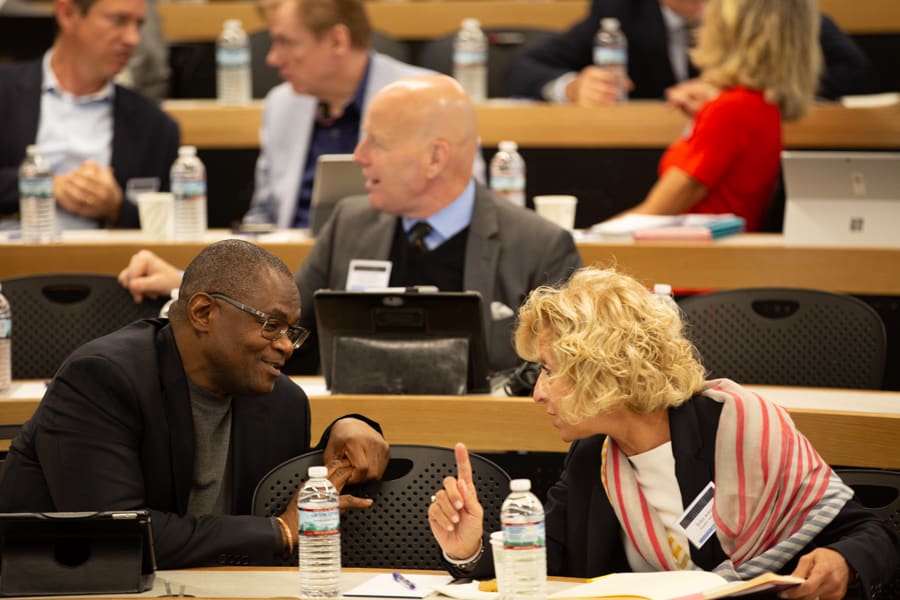
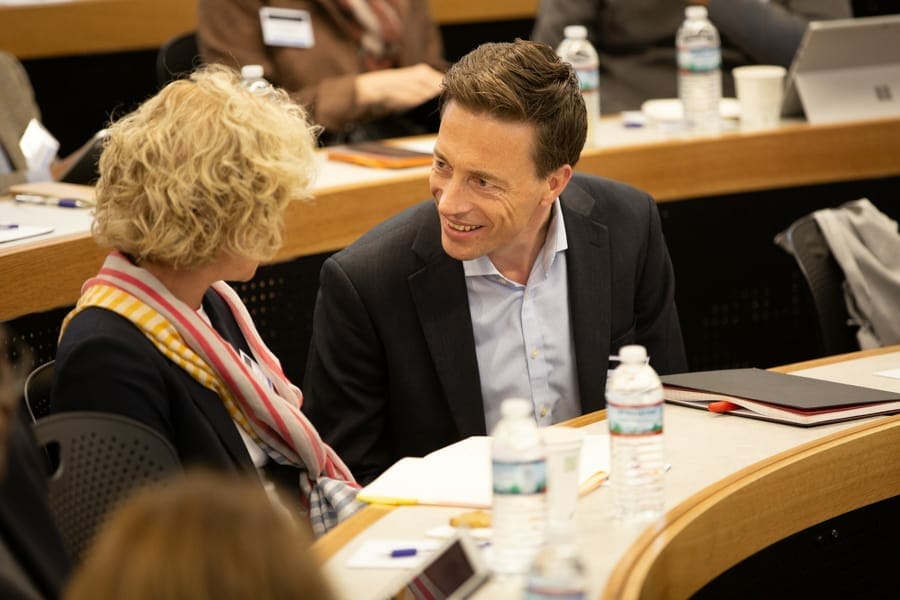
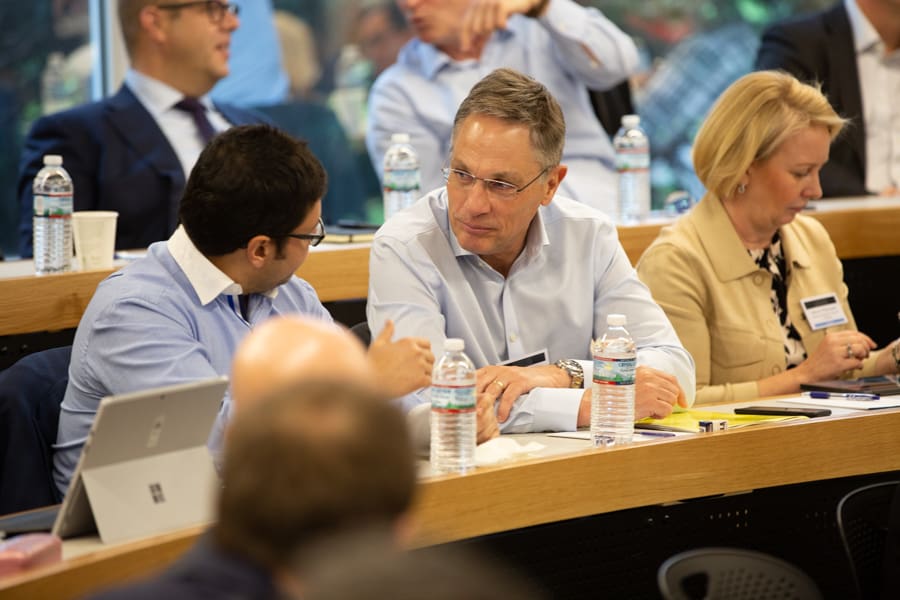
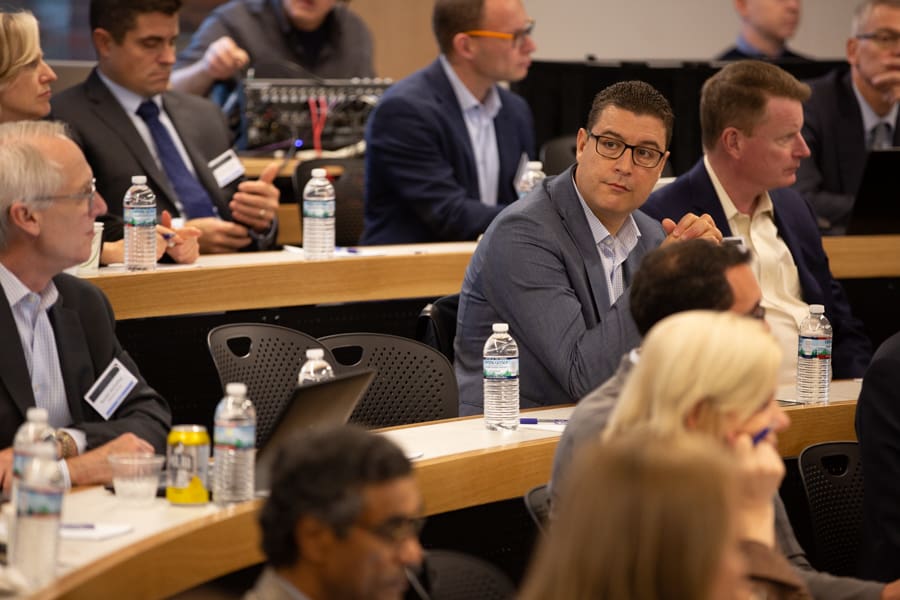
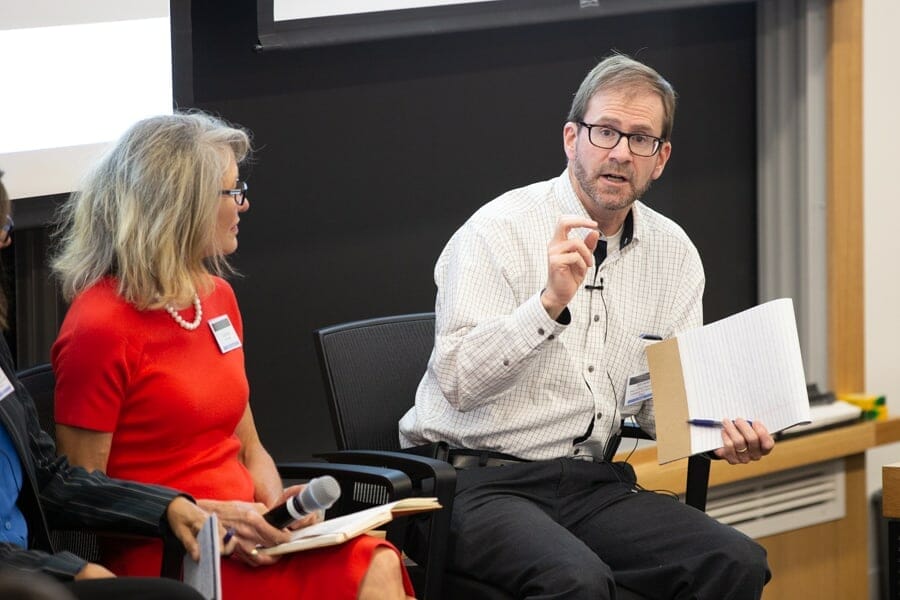
Understanding the economic implications of changing demographics is essential for investors, said Aubrey de Grey, a biomedical gerontologist speaking at the Fiduciary Investors’ Symposium at Harvard University. De Grey, who is also the chief science officer of SENS Research Foundation, a California-based biomedical research charity, warned gathered delegates that they need to urgently position for people living much longer.

“The implications will change your outlook on the future. You need to understand and believe the actual logic of what is coming,” he said.

He noted that medical advancement has eliminated many of the problems that used to kill people when they were young. For example, better hygiene saves lives the world over. In contrast, health problems in later life are still killing many of us in an enduring ageing process. Simply defined, this sees our metabolism generate damage over the years that cause accumulative changes over time. We can only tolerate so much change; inevitably we go down hill until we die, he said. Today the majority of medical effort is concentrated on geriatric medicine and managing the consequences of this ageing process. Yet attacking the consequences of something that is accumulating is the wrong way to approach the problem.

One focus is on preventative measures that look to slow our metabolism and the ageing process. Here the effort is on making our metabolism run so that it generates less damage.

“But this is ineffective as our metabolism is complicated,” he said, noting that it was difficult to “tweak a system to stop the creation of damage.”

Another approach is to separate the aging processes and periodically repair the damage that metabolism creates. This way, even though damage is being generated, it doesn’t reach a threshold of abundance. In what he called a “paradigm shift” this line of thought is now becoming mainstream. Using an everyday analogy – with the obvious caveat that the human body is more complicated – he said periodic repair is something we already do with our cars.

“A 100-year old car, only designed to last 10 years, is still there because of preventative maintenance.”

He said the damage to our metabolism through life can be classified into categories, and for each classification we can develop a way to repair the damage. For example, to prevent cell loss resulting in the harmful division of cells, we can put cells back via stem cell therapy.

Financing these kinds of pioneering techniques, and other breakthrough ideas offers investors real opportunities.

“We have got to the stage where we can spin out projects into start up companies to take damage repair forward,” he said. “Pay attention in terms of investment opportunity.”

He added that “longevity is a side effect of health” and that the ageing process can be combated so that people will live much longer in the future than what they do today.

“Most people just say they will believe it when they see it, and get on with their short life,” he said. Instead, he urged long term investors to think differently and grasp the nettle. These therapies that eliminate aging will be available to the masses soon, with “people in the room” personally benefiting.

He said that investors needed to think about how people living longer will affect consumer behaviour and investee companies.

“Think about the mindset of the people spending money and buying the products that the companies you invest in are creating.”

This leads to questions around the different choices people make when they spend money, he said. Some people are after instant gratification, other purchases are made in expectation of the future and how long we are going to live, stay productive and earn money.

He urged investors not to think about how soon new therapies will be available but how soon they will be anticipated. He said that once the consensus changes to wide acceptance that we will live longer, “there will be a step change in public opinion.” Warning delegates that if they are not ready they “will go bankrupt overnight.”
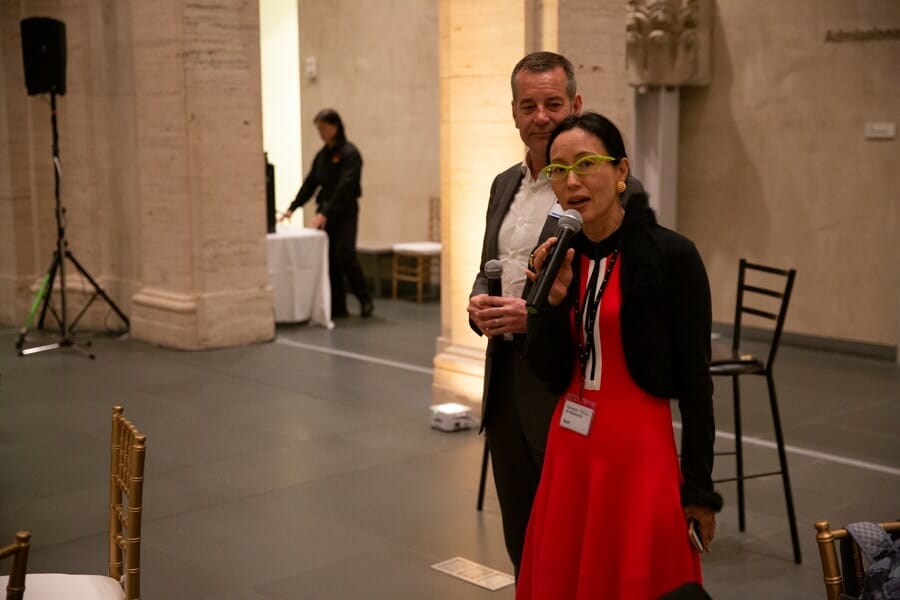
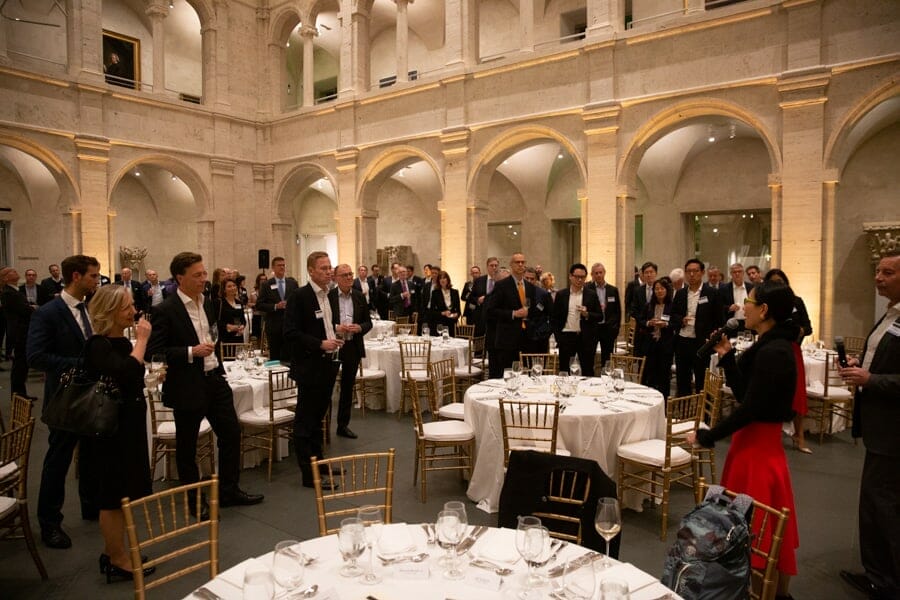
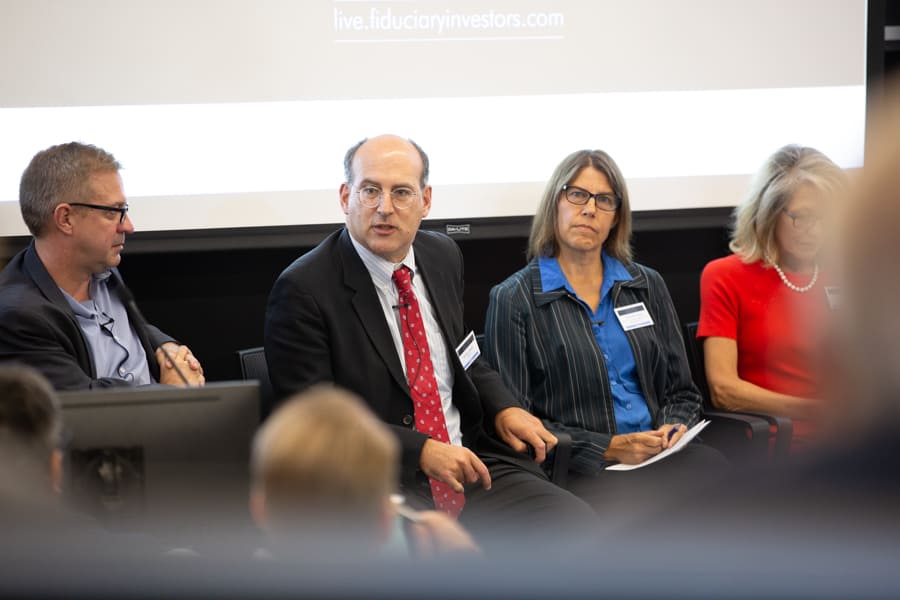
The Public Sector Pension Investment Board of Canada may increase its fixed income holdings, while the Massachusetts Pension Reserves Investment Management Board is weighing whether to internalise some of its investment team.

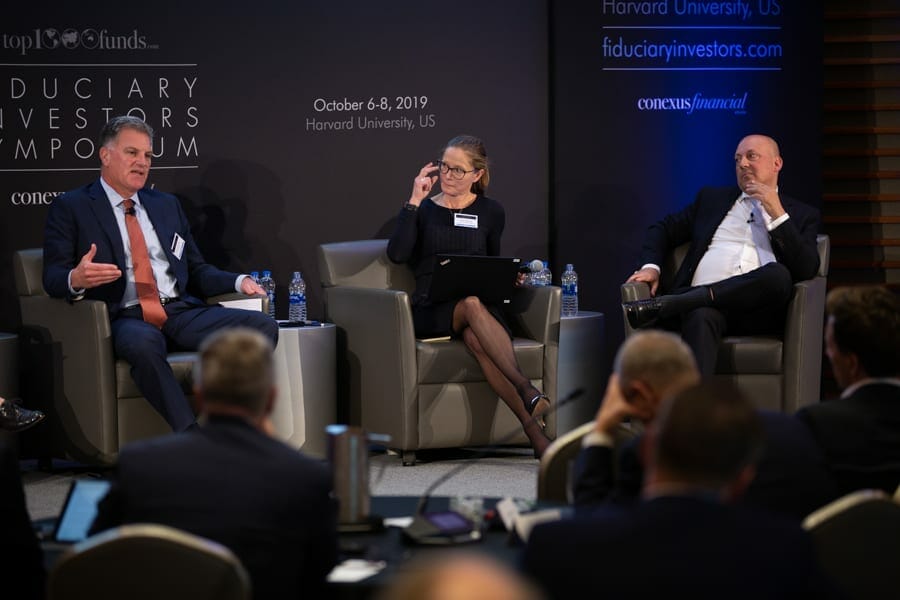
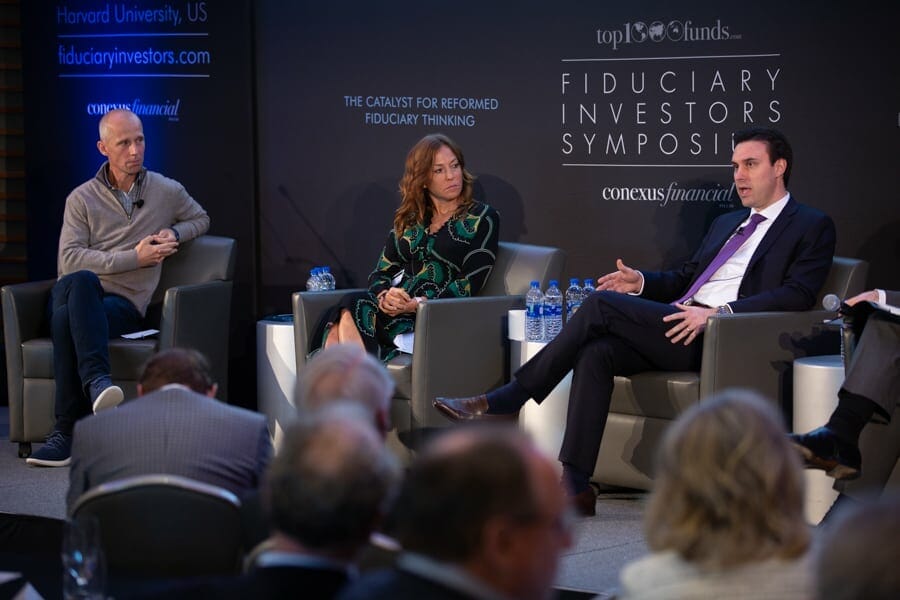
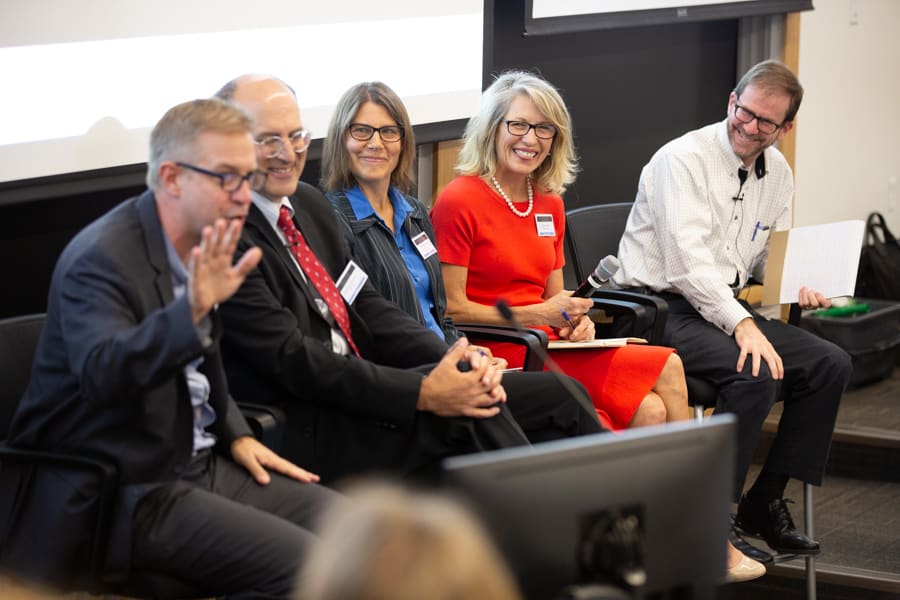
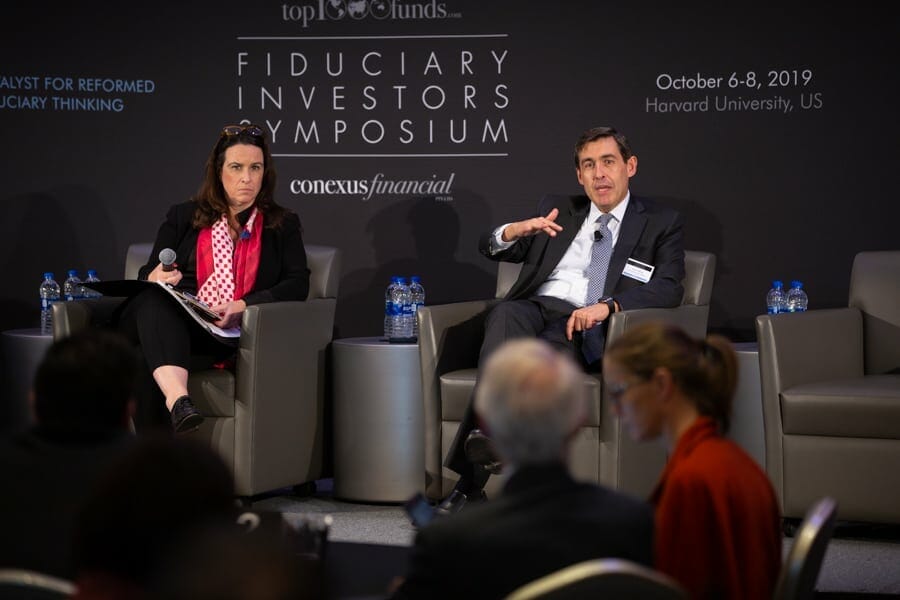
These are just some of the topics raised in the final session of the Fiduciary Investors Symposium at Harvard University this week. Both pension funds said they want resilient portfolios that can weather all environments.

“I’m focusing on portfolio construction,” Eduard Van Gelderen, chief investment officer of PSP Investments told delegates. So we don’t have “this enormous position in equity-like investments but (instead) have an all-weather type of portfolio.”

Van Gelderen, who has been in the top investment job since August 2018, said the mindset within the C$168 billion pension fund has to change to create a more robust portfolio. He said for the last 10 to 15 years the investment team has been under pressure to deploy capital, but they now need to become more liability aware as members approach retirement.

“We’ve had to speak to all the different asset classes about this,” he said. We’ve had to “convince them that sometimes it’s in the best interest of the total fund not to do an equity-like investment but do more of a fixed income-like investment.”
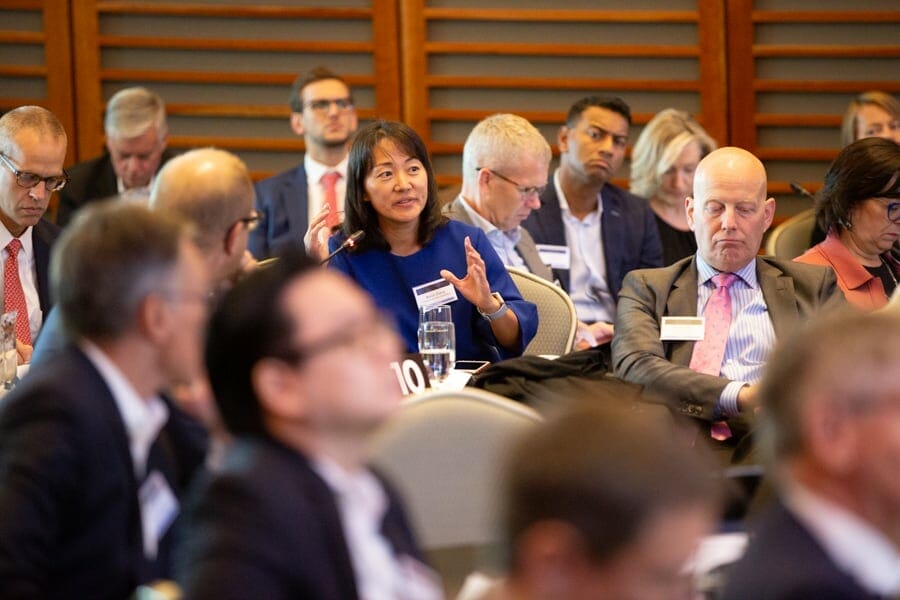
Michael Trotsky, CIO of the $75 billion Boston-based Mass PRIM, said they have been slowly reducing their equity allocation to 39 per cent of the portfolio versus 50 per cent a few years ago. He said about 6 per cent has been invested in a so-called put spread collar program to help manage volatility.

“We’ve been gradually de-risking the fund based on the longevity of this cycle since the downturn, valuations are getting higher and there is a ton of geopolitical uncertainty,” he said on the panel. “I have to say that politics is what makes me lose sleep.”
About 40 per cent of the fund is invested in alternatives including private equity, private debt, real estate and timberland. They also use hedge funds to help counter their large equity risk premia. While almost all of their assets are managed externally, Trotsky said they make look at bring some capabilities in-house as they do more direct investing.

“We are contemplating internal management,” he said. “In Boston we have access to a great financial workforce. We’ve been able to raise our pay scale enough to attract those kind of people so you will see us do more and more.”
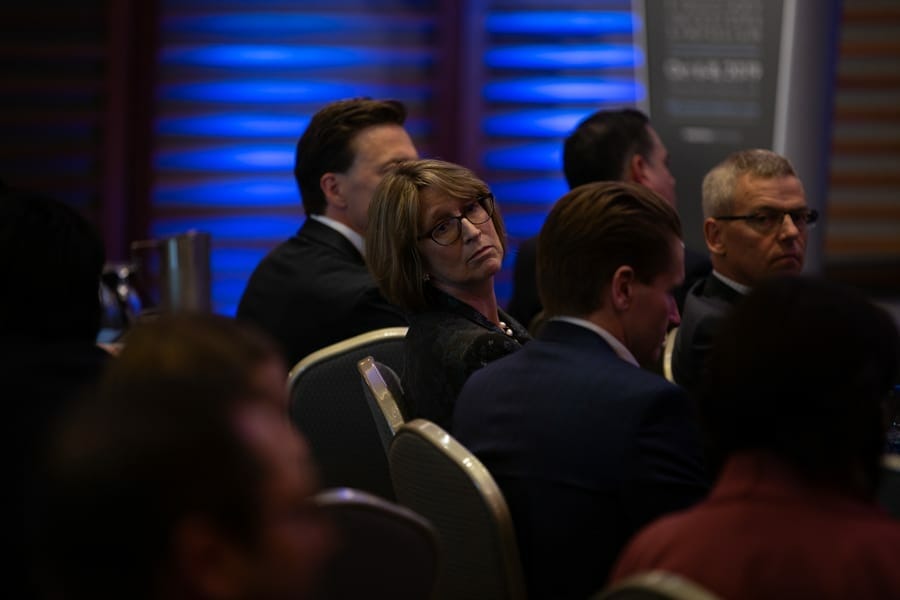
He added that doing more direct investing was a “major thrust” for the pension fund.

“We pioneered direct hedge funds, direct in the sense that we have no fund-of-fund managers,” he said. “We are also contemplating a seating platform and in real estate we are doing more and more direct, it’s easiest for us to go direct.”
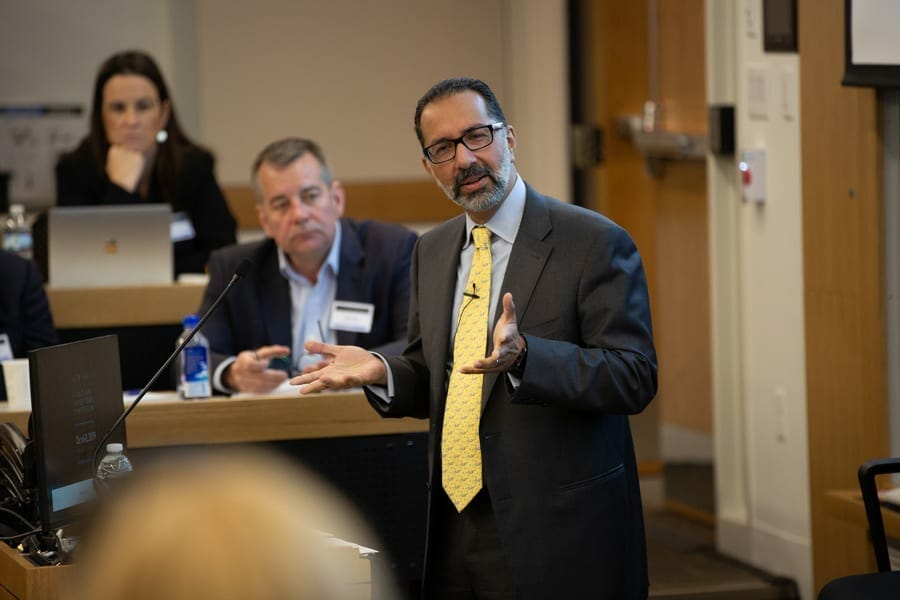
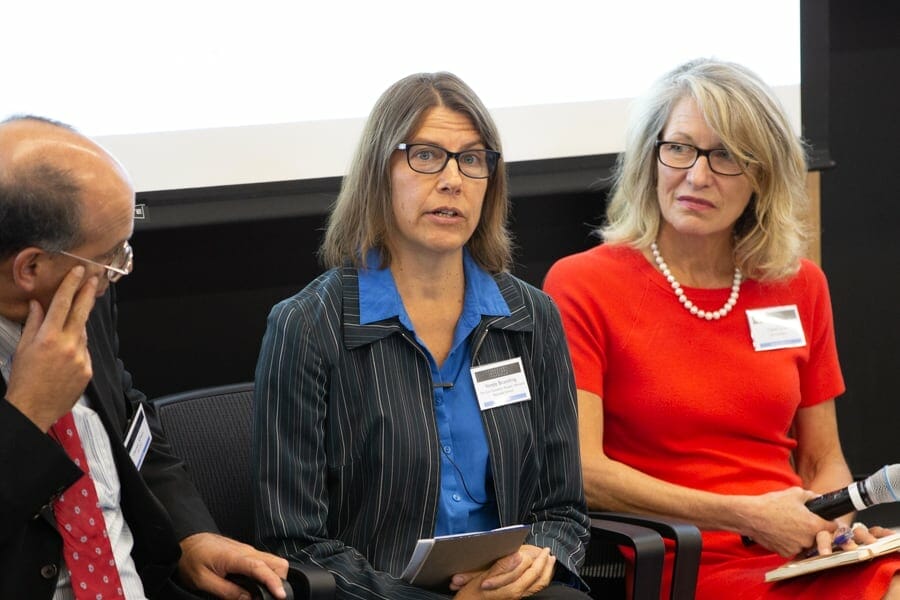
Niina Bergring, CIO of the €3.5 billion Veritas Pensionforsakring in Finland, also spoke on the panel. She said all investors, including themselves, need to conduct more research into what the future may look like from a risk and returns perspective.

“Future studies are very difficult,” Bergring said. “We need to have a systems-thinking, multi-disciplinary research group that can go out and research anything that is relevant for our investments over a five, 10, 20-year horizon. That is what we should all be building.”
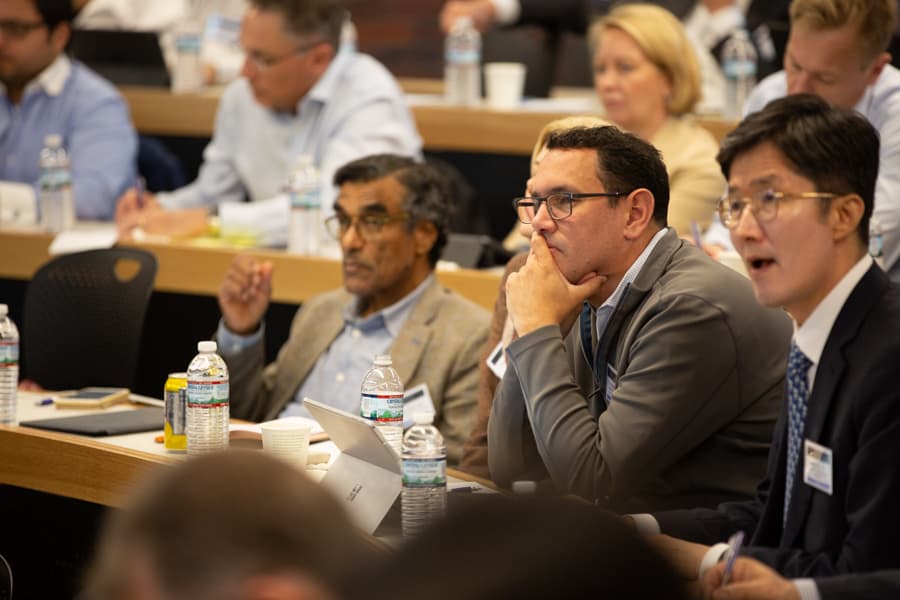
 

Investors should think much more about human capital and the role it plays in their investments, said George Serafeim, the Charles M. Williams Professor of Business Administration at Harvard Business School, speaking at the Fiduciary Investors Symposium at Harvard University.

It involves understanding how companies are implementing technology, how they are re-skilling and training their employees for the future, which groups of employees they are investing in, and how this impacts engagement. “We are misallocating resources and need to get much more active in asking the right questions to find the right answers. We need to understand who is being trained and why,” said Serafeim.
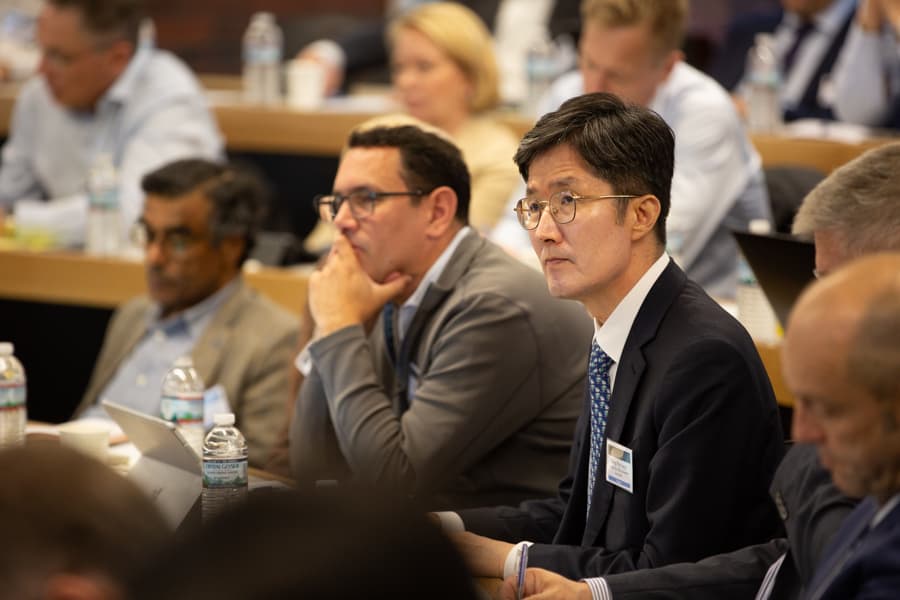
In reality, most companies are far behind solving key challenges in their human capital, he said. This means that they have stopped creating value, something that can’t be fixed by the “band aid” of monetary and fiscal solutions. He warned that the “system” is not working for employees because companies continue to treat them like an expense, rather than an asset. Active owners seeking to mitigate risk and drive growth need to engage with employers to help drive a change in corporate behaviour so that “companies stop spending money like some people are assets, and others are an expense.”

Outcomes not inputs

Serafeim said companies have long-recognised that building human capital drives progress. However, this is measured through the wrong lens of input and activity. Instead, success should be measured by outcomes. “Inputs and activity are the thing we do in the hope that something comes of it,” he explained. “If I go to the gym, it doesn’t mean I will definitely look good and be healthier. Inputs are a very different thing to outcomes.”

He noted that it is “much easier” to measure inputs and activity. From a monetary and policy perspective it is also much easier to be hold those responsible for inputs and activities accountable because they control them. “People are reluctant to be held accountable for the things they can’t control,” he said.

However, it is important to measure outcomes because this allows companies to provide the right incentives. He told delegates that investors should give credit to the allocator that is going to train and retrain people and create a work environment that is better from a human capital perspective. The challenge is the availability of data to allow accurate measurement of outcomes. Here, Serafeim has derived a human capital development metric that focuses on outcomes rather than inputs that shows with “reasonable accuracy” the human capital development metric for thousands of companies, providing exploratory evidence on its relationship with employee productivity.

Serafeim said that the impact of technology on the future of work is difficult to understand and forecast. He warned that technology would change the mix of skills, knowledge and capabilities needed to perform tasks. However, many occupations in the economy would be unaffected by technology, particularly those outside the corporate sector. He also noted that companies facing high levels of automation are also investing most in re-skilling employees. “In these industries, people are trying to build training, skills and knowledge to transition people to other types of jobs,” he said.

However, questions remain about what types of skills and re-training these companies are offering, and how productive it really is. Industries facing high levels of automation are also facing high turnover rates and challenges around retention. “It is about trying to understand which skills and knowledge are best value for money.” Here he noted that analysis of skills showed high demand for reasoning skills, yet this is not what many people learn in a corporate environment.